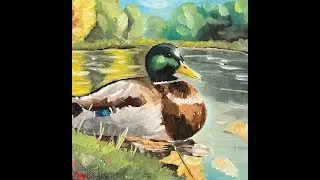
Easy Horse Acrylic Painting || Step by Step Tutorial || Artoholic
Автор: ART O HOLIC
Загружено: 2025-02-12
Просмотров: 352
Описание:
Creating a black-and-white painting with color tints on a horse can be a unique and striking way to blend realism with artistic interpretation. Here’s a step-by-step tutorial on how to approach this:
Materials Needed:
• Canvas or paper (depending on your preferred medium)
• Acrylic, oil, or watercolor paints (depending on your chosen medium)
• Brushes (appropriate for your medium)
• Palette for mixing paints
• Palette knives (optional)
• Water or medium (depending on the paint)
• Varnish (optional for finish)
Step 1: Sketch the Horse
1. Start with a Basic Sketch:
• Lightly sketch the horse’s shape on your canvas or paper. Use references if necessary.
• Focus on the key features of the horse: the head, mane, body, legs, and tail.
2. Define the Form:
• Start by drawing the horse’s outline and basic proportions. The more detailed your sketch, the better the outcome when you start painting.
• Add details like facial features, muscles, and mane texture, but keep it light for now.
Step 2: Create the Black-and-White Base
1. Add Black and White Shadows:
• Use charcoal, graphite, or a black acrylic/oil wash to start shading the horse.
• Focus on light and shadow. Imagine where the light source is coming from (for example, from the left).
• Apply black paint in the areas where shadows naturally fall: under the belly, inside the ears, beneath the mane, and on the side opposite the light.
• Use white highlights to emphasize the parts of the horse that are hit by light, such as the top of the mane, parts of the face, and back.
2. Blend the Black-and-White Base:
• Use a dry brush or blending tool to soften transitions between light and dark. The goal is to create a smooth grayscale representation of the horse without sharp lines.
• For extra realism, you can use a wet brush or a wash technique to blend the shadows into the mid-tones.
Step 3: Add Color Tints
1. Choose Your Tint Colors:
• Pick a few colors you want to use for tints. These can be soft hues that will evoke mood and enhance the contrast in your painting. For example, you could use:
• Soft blues or yellow for a cool-toned effect.
• Warm yellows or oranges for a golden glow.
• Subtle reds for a more vibrant, dramatic tint.
2. Apply Color in Transparent Layers:
• Use a very diluted amount of paint with water or medium (depending on your paint type) to create a translucent tint.
• Apply the color selectively: for example, you might want a blue tint around the horse’s mane to create the illusion of light reflecting, or a light red tint on the tail to make it stand out.
• You can also tint specific parts of the background (e.g., a warm tint around the horse’s form to create a sense of depth).
3. Build Up Layers:
• Allow each layer of tint to dry before applying another. This will help you control the intensity of the color.
• You can vary the saturation of the color, so certain areas are more vibrant than others.
• Be sure to leave certain areas without tint to maintain the dramatic black-and-white effect.
4. Blending:
• For a soft, painterly effect, you can blend the color tints into the black-and-white areas. Use a soft brush or sponge to create a seamless transition from the tinted areas to the grayscale parts of the horse.
Step 4: Final Touches
1. Enhance Contrast:
• If needed, you can go back in with black paint to darken the shadows, giving the horse more depth and contrast against the colored tints.
• You might also add small, bright white highlights where the light would naturally hit (on the eyes, the tip of the mane, or the reflection on the coat).
2. Refining Details:
• If necessary, use a fine brush to define smaller details, such as the veins in the ears, strands of hair in the mane, or individual muscle definition on the body.
3. Varnish (Optional):
• Once your painting is dry, you can apply a protective varnish if using acrylic or oil paint. This will enhance the colors and protect the surface.
Tips for a Successful Black-and-White with Color Tints Painting:
• Contrast is Key: The combination of black-and-white with color tints works best when you have a strong contrast between light and dark.
• Layering: Always build your tints in thin layers. This allows you to control the intensity of the colors and adds depth.
• Mood: Use your chosen color tints to create a specific mood. Cool colors tend to be calming, while warm colors evoke energy.
• Experiment: Don’t be afraid to play with different tints and how they interact with the black-and-white shading.
By following these steps, you’ll be able to create a beautiful horse painting that combines dramatic grayscale tones with artistic color accents.
ARTOHOLIC ART IS EVERYWHERE.
Повторяем попытку...

Доступные форматы для скачивания:
Скачать видео
-
Информация по загрузке: