Hormuz SEALED — Iran's 'Iron Fist' Survives 'Epic Fury' as U.S.Loses the Strait NOW
Автор: Money Hand
Загружено: 2026-03-01
Просмотров: 125193
Описание:
Hormuz SEALED? Iran’s “Iron Fist” & What Losing the Strait Means for Global Markets | Market & History
Is the Strait of Hormuz effectively closed?
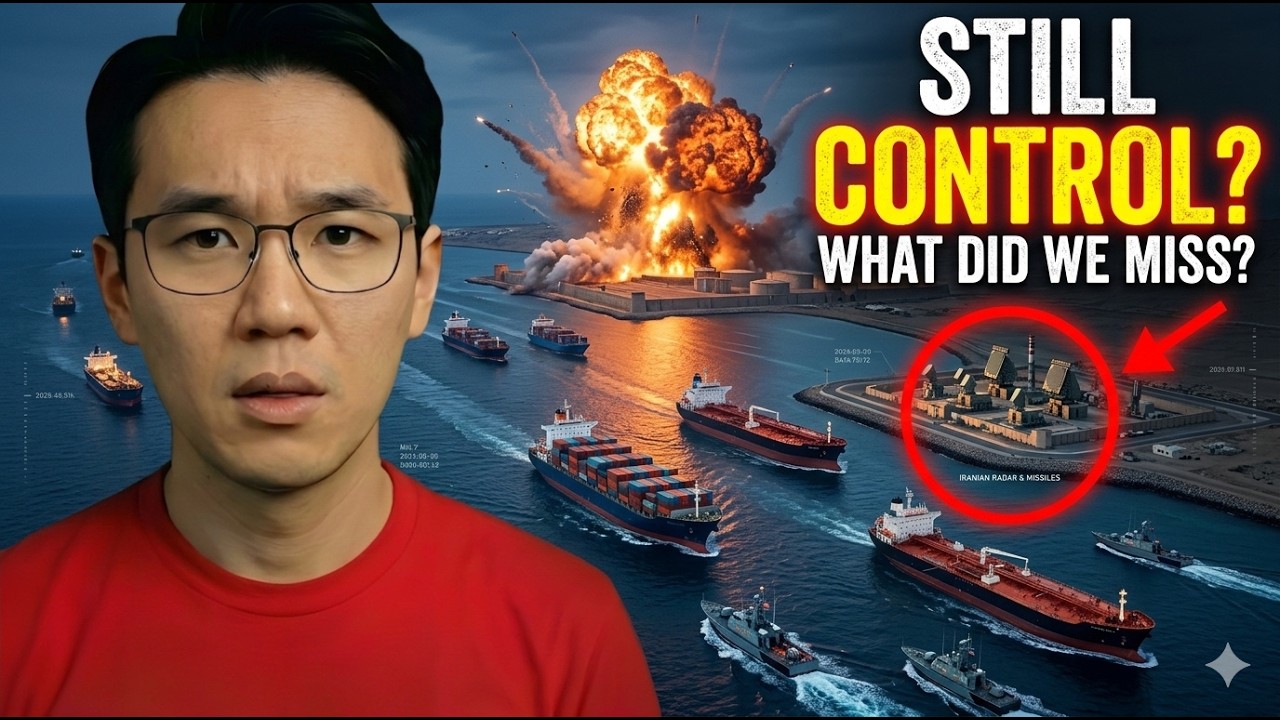
Following escalating tensions involving Iran and the United States, reports indicate that Iranian forces have issued maritime warnings restricting vessel movement through the strategic Strait of Hormuz — one of the most critical oil chokepoints in the world.
In this episode of Market & History, Abdul Kabir breaks down what “sealed” actually means in geopolitical and financial terms — and whether the U.S. has truly “lost” control of the strait.
This is not sensationalism.
This is structural analysis.
🌍 Why the Strait of Hormuz Matters
Nearly 20% of global seaborne oil supply typically flows through this narrow waterway connecting the Persian Gulf to global markets.
If transit is restricted or even temporarily disrupted, the ripple effects can include:
• Immediate crude oil price spikes
• Energy futures volatility
• Shipping insurance surges
• Supply chain delays
• Inflation expectations rising
• Global equity selloffs
• Risk-off movement into safe-haven assets
Even warnings — without a formal legal closure — can impact markets dramatically.
🔎 What This Video Analyzes
• What qualifies as a “closure” under international maritime law
• The difference between official blockade vs operational deterrence
• How naval warnings affect tanker traffic
• The economic impact of restricted oil flow
• Why markets react before official confirmations
• The geopolitical leverage Iran gains through chokepoint pressure
• Whether escalation benefits or harms long-term regional strategy
We also examine how the U.S. Navy presence in the region factors into freedom-of-navigation operations and what “losing the strait” would realistically require from a military standpoint.
📊 Market Impact Breakdown
This episode models potential scenarios:
• $10–$20 oil gap moves
• Inflation reacceleration risks
• Federal Reserve policy pressure
• Bond market repricing
• Energy sector outperformance
• Broad equity volatility
History shows that chokepoint disruptions don’t just affect oil — they affect confidence, liquidity, and capital flows.
🧠 Key Takeaways
• Strategic waterways amplify geopolitical power
• Markets react to risk probability, not certainty
• Oil volatility transmits directly into inflation
• Inflation pressures influence monetary policy
• Monetary shifts reprice equities
Understanding the mechanism matters more than reacting emotionally to headlines.
⚖️ Professional Disclaimer
This content is provided strictly for educational and informational purposes only.
The analysis presented is based on publicly available reporting, historical precedent, and geopolitical risk modeling. It does not confirm an official or permanent closure of the Strait of Hormuz, nor does it constitute military, financial, or legal advice.
All market scenarios discussed are hypothetical frameworks designed to explain potential outcomes. Real-world developments may differ materially.
Investing involves risk, including potential loss of principal. Always conduct independent research and consult a licensed professional before making financial decisions.
This channel does not promote fear, panic, or speculative trading behavior.
📌 About Market & History
Market & History explores the intersection of:
• Geopolitics
• Energy markets
• Monetary policy
• Financial system risk
• Global capital flows
If you want structured macro analysis instead of emotional headlines — you’re in the right place.
Повторяем попытку...

Доступные форматы для скачивания:
Скачать видео
-
Информация по загрузке: