Do Cats Feel We Love Them? -Cat's Knowhow
Автор: cats knowhow
Загружено: 2023-06-06
Просмотров: 322
Описание:
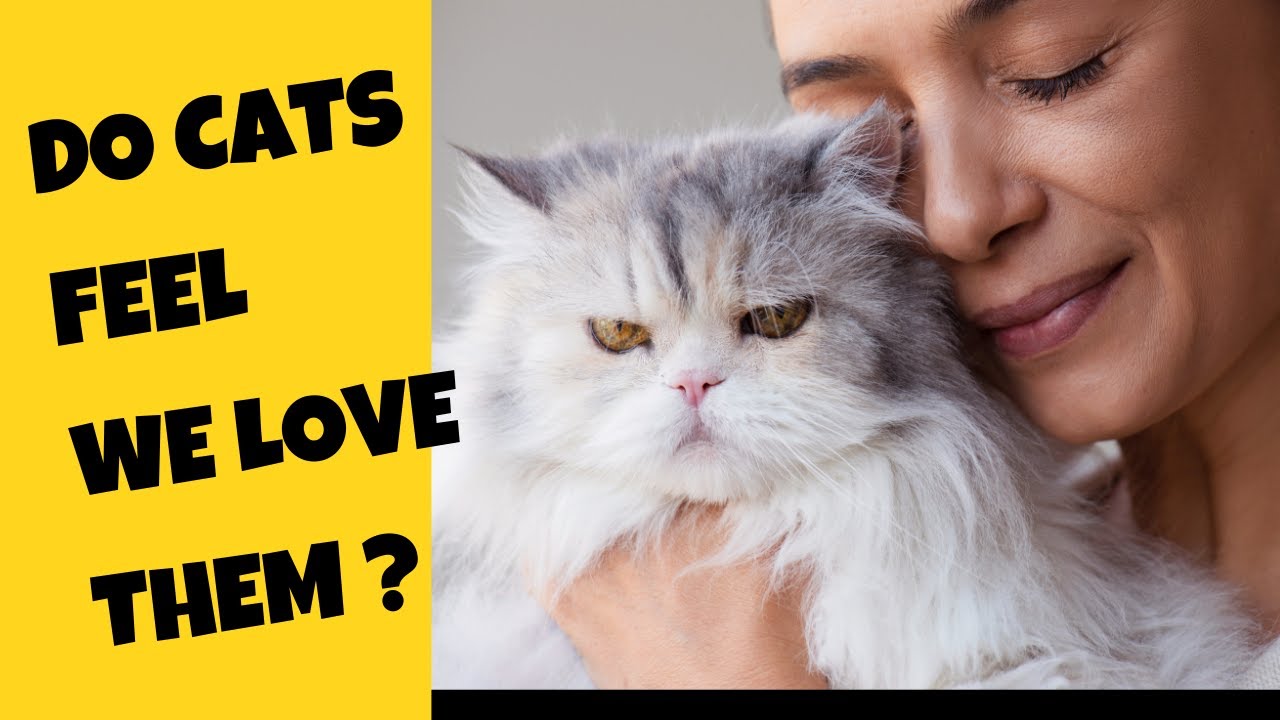
Do Cats Feel We Love Them?
Cats have long held a reputation for their enigmatic and independent nature. While dogs are often celebrated as loyal and affectionate companions, cats are often seen as more aloof and self-reliant. This has led to an age-old question among cat owners and enthusiasts: Do cats feel we love them? The answer, it seems, is not as straightforward as one might think.
Cats are undeniably different from dogs in their expressions of love and affection. Dogs wag their tails, lick their owners' faces, and eagerly seek attention and physical contact. Cats, on the other hand, have a subtler and more nuanced way of communicating their emotions. It is crucial to understand these differences in order to appreciate how cats perceive and respond to human love.
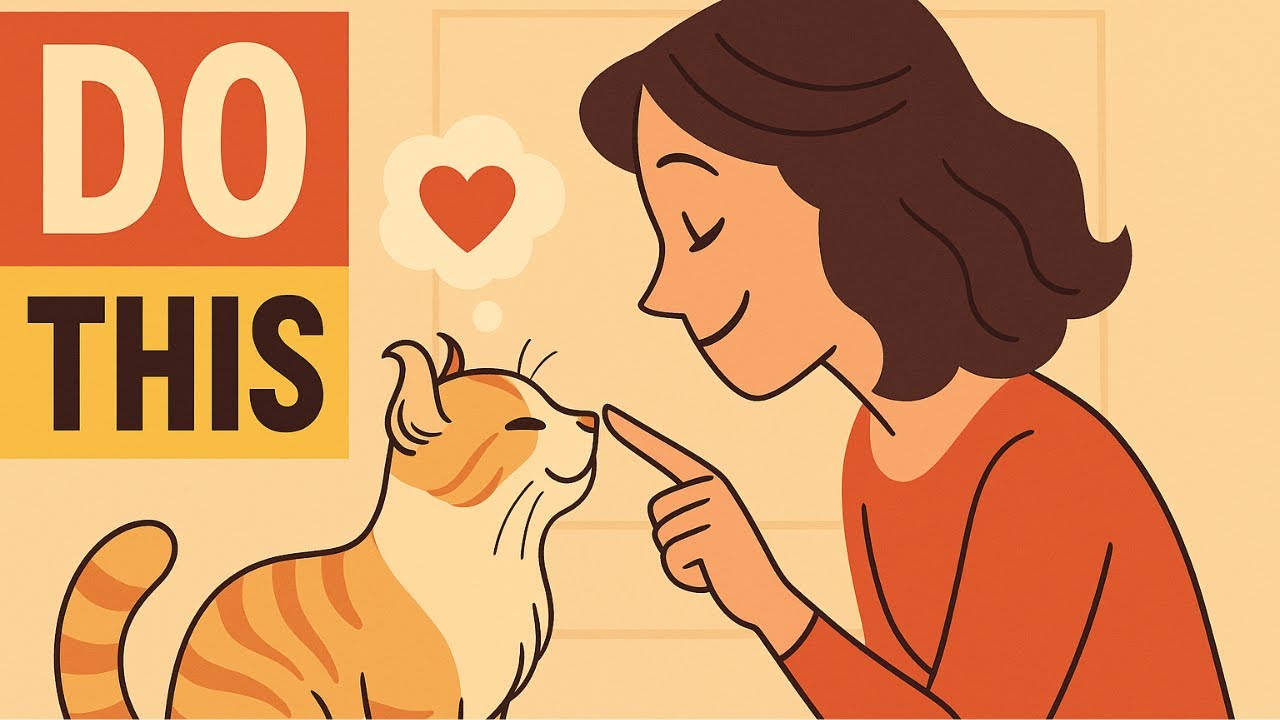
One of the primary ways cats show affection is through body language. They may approach their owners with their tail held high, rub against their legs, or knead their paws on a soft surface. These behaviors are often interpreted as signs of contentment and trust. When a cat rubs against you, they are not only marking you with their scent but also indicating that they consider you part of their social group. These gestures can be seen as their way of expressing a connection and a level of comfort with their human companions.
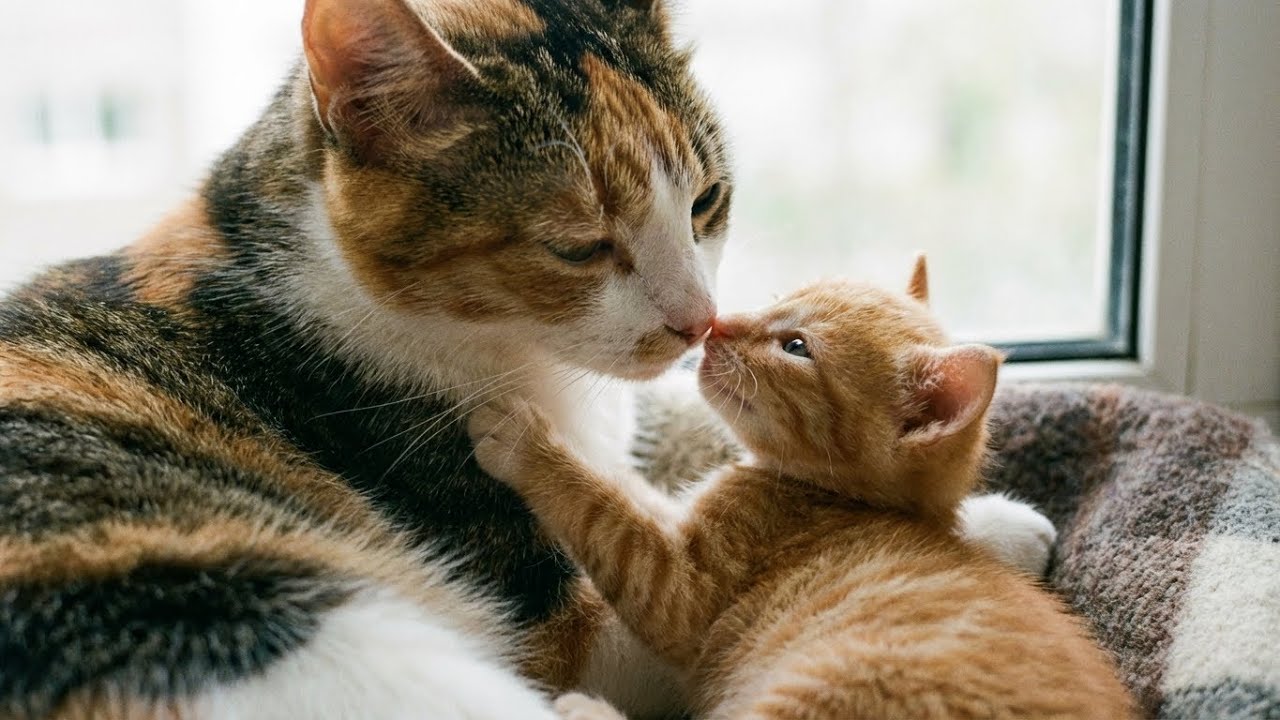
Another way cats show their affection is through grooming. Cats spend a significant amount of time grooming themselves, and when they extend this behavior to their owners, it is considered a sign of trust and affection. By grooming you, a cat is not only maintaining their own hygiene but also engaging in a bonding ritual. They are essentially treating you as a member of their feline family and demonstrating their affection in a way that is unique to their species.
While cats may not exhibit love in the same overt manner as dogs, many studies suggest that they are indeed capable of forming strong emotional bonds with their human caregivers. Cats are known to seek out their owners for comfort and security, particularly in times of stress or illness. They may choose to curl up in their owners' laps or sleep next to them, seeking physical proximity and a sense of safety. This behavior indicates that cats do, in fact, feel a sense of attachment and rely on their human companions for emotional support.
Research has also shown that cats can recognize their owners' voices and respond to them with increased attention and positive behaviors. They may purr, meow, or chirp in response to their owners' voices, suggesting that they not only recognize the sound but also associate it with positive experiences and emotions. This ability to form associations and memories further supports the idea that cats can feel and understand human love.
It is important to note, however, that individual cats may have varying temperaments and personalities. Some cats may be more affectionate and responsive to their owners' love, while others may be more independent and less demonstrative. Factors such as their early socialization, experiences, and genetic predispositions can all influence how cats respond to human affection.
In conclusion, while cats may not exhibit love in the same overt and exuberant manner as dogs, they do form emotional bonds with their human caregivers. Cats have their own unique ways of expressing and interpreting love, often through subtle body language, grooming rituals, and seeking physical proximity. Understanding and appreciating these feline expressions of affection can help strengthen the bond between humans and their feline companions. So, the next time your cat curls up beside you or gives you a gentle head-butt, know that it is their way of saying, "I feel your love, too."
Повторяем попытку...
Доступные форматы для скачивания:
Скачать видео
-
Информация по загрузке: