Bureaucratic Management: Theory , Definition & Examples
Автор: Study Now
Загружено: 2020-08-11
Просмотров: 10898
Описание:
What is a Bureaucracy?
Bureaucracies are all around us. This form of organization, which is comprised of non-elected officials who implement rules, is not only common in the public sector but in the business world as well. Examples of bureaucracies in the public sector include the Social Security Administration, Environmental Protection Agency and public universities. Among the oldest bureaucratic structures in the country is the United States military.
In the private sector, most large business firms have a bureaucratic organization. Examples of private sector firms with a bureaucratic structure include IBM, GM and the Union Pacific Railroad. Knowing how bureaucratic management works can lead to a better understanding of how government agencies and large business firms operate; it can assist you in interacting with complex organizations, whether it be seeking social security benefits or working for a large corporation.
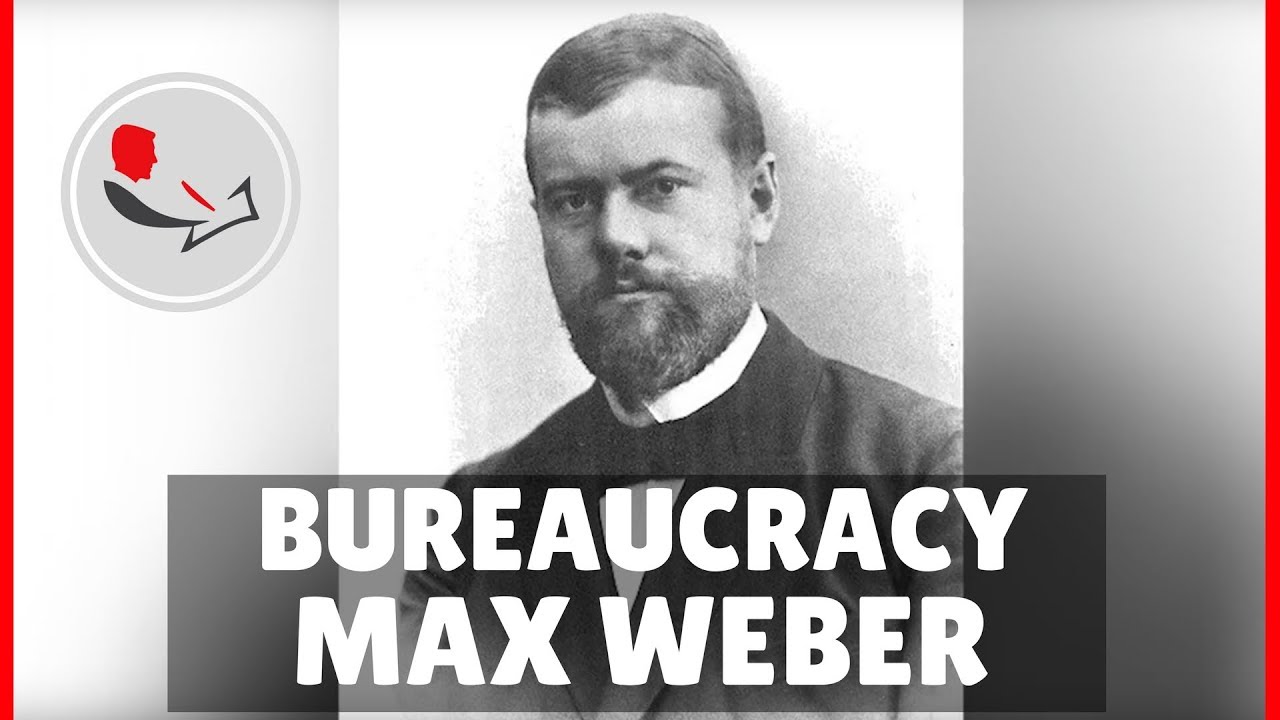
Max Weber
One of the most important thinkers in modern organizational theory, Max Weber (1864-1920), is the 'father of the bureaucratic management theory.' Weber was a German sociologist and political economist that viewed bureaucracy in a positive light, believing it to be more rational and efficient than its historical predecessors.
Bureaucratic Management Theory
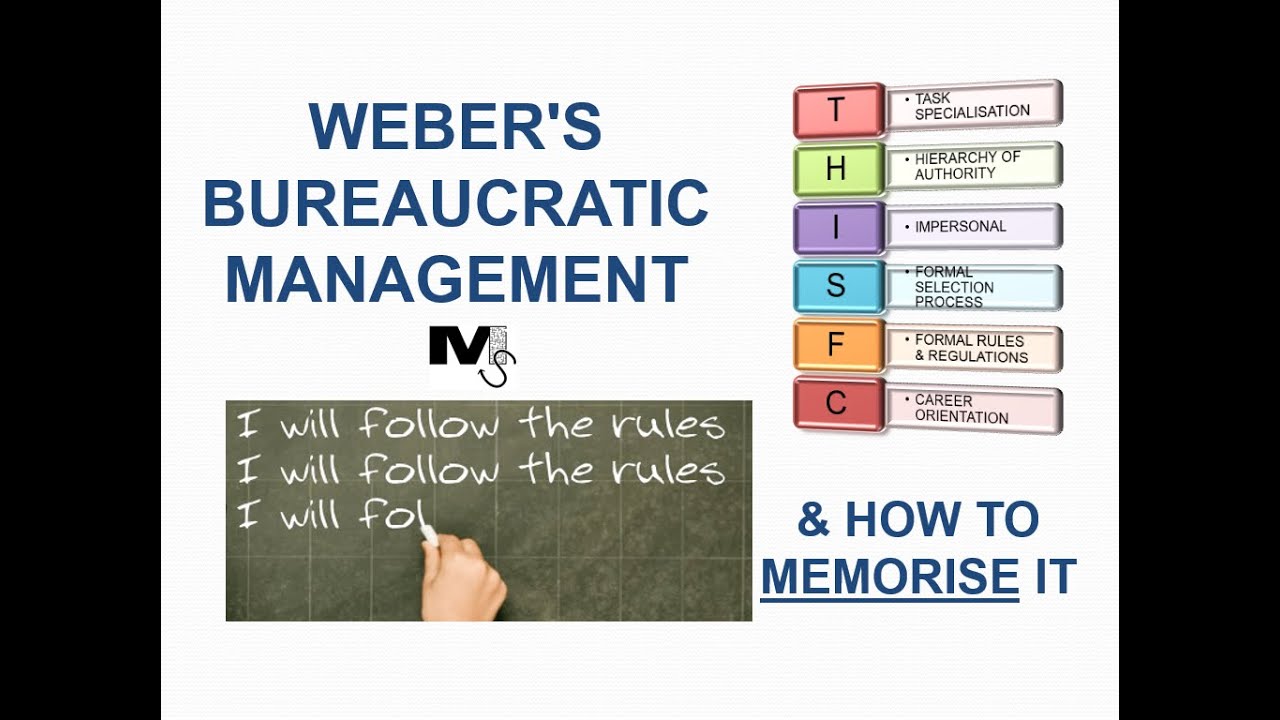
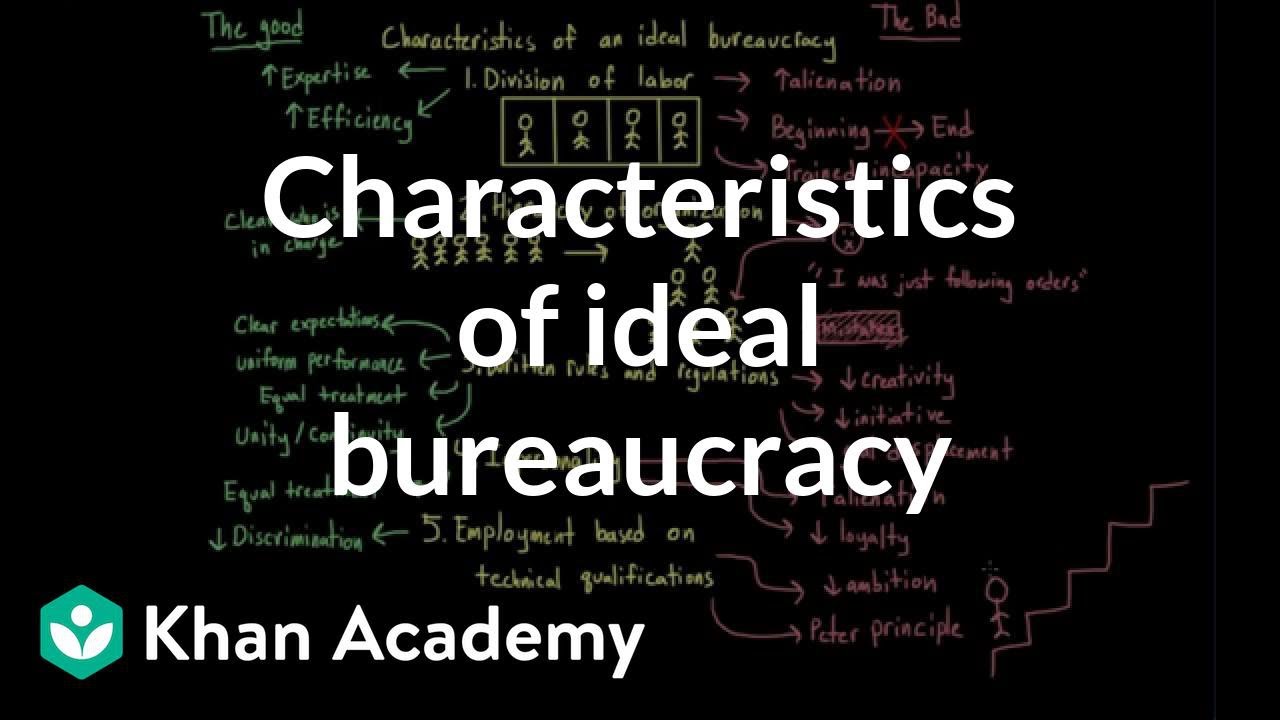
Weber's theory of bureaucratic management also has two essential elements. First, it entails structuring an organization into a hierarchy. Secondly, the organization and its members are governed by clearly defined rational-legal decision-making rules. Each element helps an organization to achieve its goals.
An organizational hierarchy is the arrangement of the organization by level of authority in reference to the levels above and below it. For example, a vice-president of marketing is below the company's president, at the same level as the company's vice president of sales, and above the supervisor of the company's social media department. Each level answers to the level above it, with the ultimate leader of the organization at the top.
The easiest way to understand the term rational-legal decision-making rules is to think of it as a set of explicit and objective policies and procedures that governs how an organization functions. Examples of rational-legal decision-making rules include human resources rules and policies or the regulations governing who is entitled to unemployment insurance.
Examples of Bureaucratic Management
A well-known bureaucratic organization is the modern U.S. military. For this example, let's look at an Army division. An Army division is broken down into brigades. The brigades are broken down further into battalions. Battalions are divided into companies, and companies are broken down into platoons.
Повторяем попытку...

Доступные форматы для скачивания:
Скачать видео
-
Информация по загрузке: