The Basics of Biofuels
Автор: swrm
Загружено: 2022-01-26
Просмотров: 5720
Описание:
We’re diving into a specific subset of bioenergy today: biofuel. Biofuels are produced from biomass being broken down, fermented and refined. The refined fuel can then be used to produce energy, like in a motor vehicle, jet plane, train or on your cooktop.
*************
Website - https://www.greenswrm.com
IG - / greenswrm
Twitter - / greenswrm
Get started tracking your carbon footprint today!
https://apps.apple.com/us/app/swrm/id...
*******
There are three generations of biofuels. 1st gen biofuels are made with sugar crops, like sugarcane; starch crops like corn and sorghum; oilseed crops like soybean and canola; and animal fats. Sugar and starch crops are converted to bioalcohols, most commonly ethanol, through a fermentation process. During fermentation, microorganisms like bacteria and yeast metabolize the plant sugars.
The most common biofuel product is ethanol. Once produced it is mixed with standard gasoline,which cuts down on the carbon monoxide and other pollutants emitted through vehicle exhaust. Almost all gasoline at the pump in the US is mixed with at least 10% ethanol, and sometimes more. However vehicles require specific engines to deal with blends of more than 10%. The production of ethanol has historically needed large scale monoculture farming, which has led to criticisms around food prices being driven up, land degradation and land use for energy versus food. There is also large water consumption for growing the crops. These are valid concerns. And then we must also consider that the production process and use of the end product still results in GHG emissions. A perfect solution, it is not.
Then there’s 2nd gen biofuels, or cellulosic biofuels, which are made from cellulose from non-food crops and waste biomass such as corn stover, corncobs, straw, wood, and wood byproducts. Arguably using this cellulosic ethanol is better environmentally and importantly also socially with respect to not using food crops to propel a car. But could there be enough waste product to power the nation’s vehicles and planes? Unlikely.
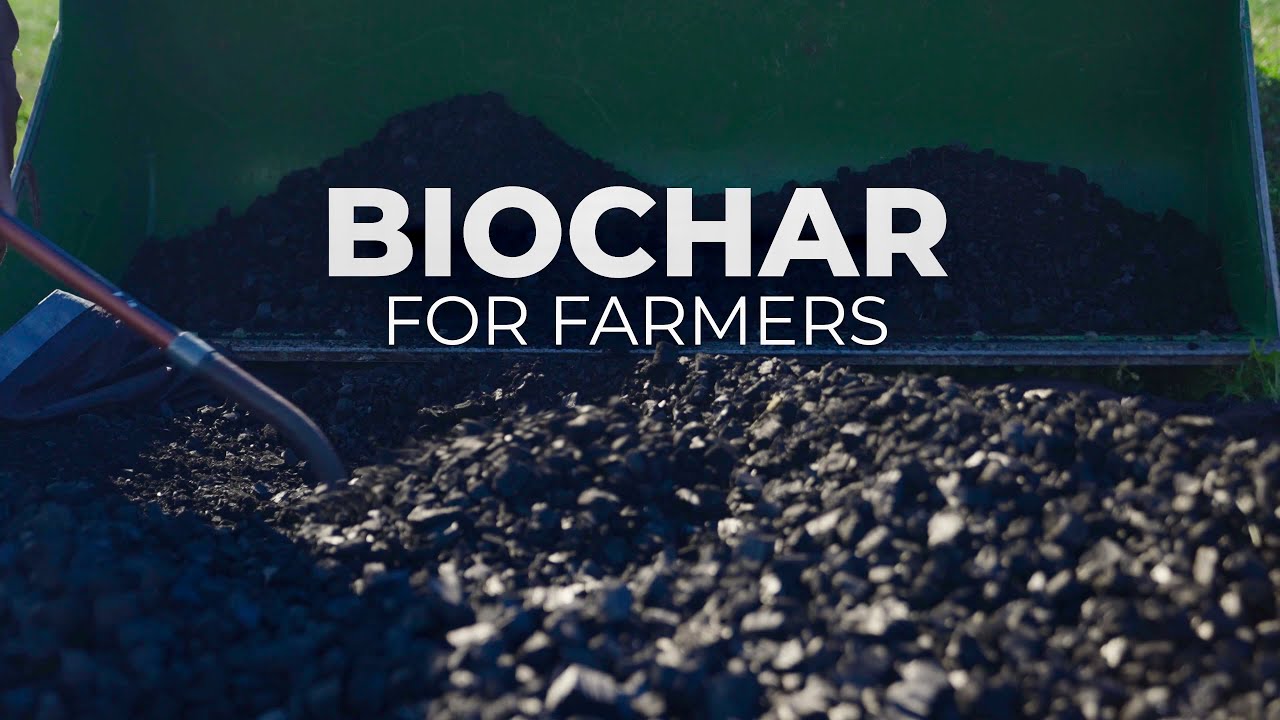
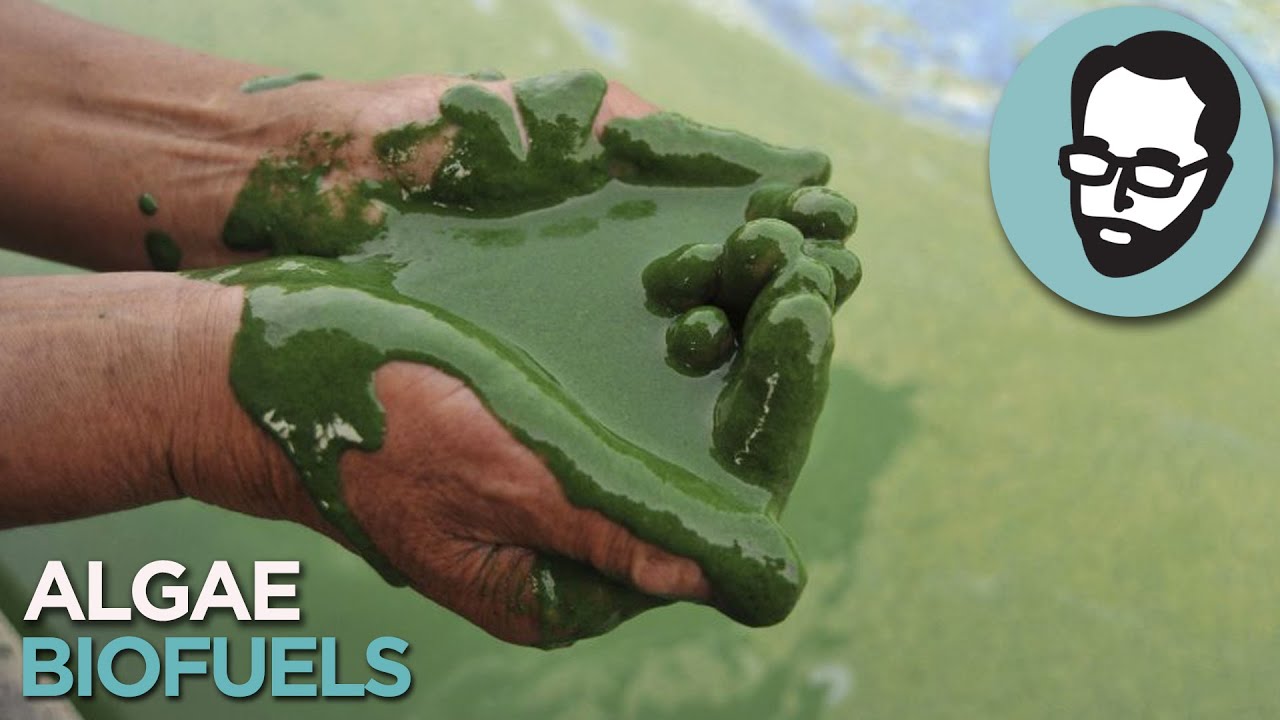
Lastly, there’s 3rd generation biofuels. And this is exciting! The feedstock is algae. This goes a long way to addressing the land use, water use, harvesting emissions, scale of availability and social issues of the other sources of bioethanol. But algae can take a long time to form, and isn’t very efficient at synthesizing CO2. Until recently. Researchers at Washington State University have found a way of growing algae in days, not weeks. And further research, funded by ExxonMobil, have discovered a way to genetically modify the algae to double the rate of CO2 absorption. These are very big advancements for the biofuel industry – and for consumers. Algae must be converted to biofuel in a different manner to the crops of sugarcane and soybean often used, through a process called ‘pyrolysis’. This produces biochar and various oils. The biochar is also a hugely beneficial product. It’s a valuable soil additive, and it survives in the soil for thousands of years – thereby becoming a semi-permanent way of capturing carbon.
The other biofuel, biodiesel, is produced from vegetable oils, animal fats and greases (like recycled restaurant grease) and can be used in vehicles and as heating oil. Pure biodiesel is non-toxic, biodegradable and produces lower levels of air pollutants than petro-diesel. Or it can be blended with petroleum diesel in any ratio, though commonly this is 80% petroleum diesel and 20% biodiesel.
The other form of biofuel is biogas. This can be formed when paper, food scraps and yard waste decompose in landfills. It can also be produced by processing sewage and animal manure in special ‘digesters’. Anaerobic bacteria occur naturally in soils, water bodies like swamps and lakes, and in the digestive tract of animals, including us humans. These bacteria ‘break down’ the biomass, which is similar to the fermentation reactions when producing beer and wine, and produces a gas composed mostly of methane and carbon dioxide. The fact that biogas can use animal manure and human sewerage gives it quite an advantage over the biofuels: animal/human effluent is very high in nitrogen, which when in oxygenated environments gets converted to nitrogen dioxide – which is better at trapping heat in the atmosphere than carbon dioxide. Methane is also a very damaging greenhouse gas. But by producing biogas, the production of nitrogen dioxide is avoided; and the methane produced is not released into the atmosphere, because it is burned (therefore only producing carbon dioxide and water). And arguably has to be better than the ‘natural gas’ we extract from our Earth.
Повторяем попытку...

Доступные форматы для скачивания:
Скачать видео
-
Информация по загрузке: