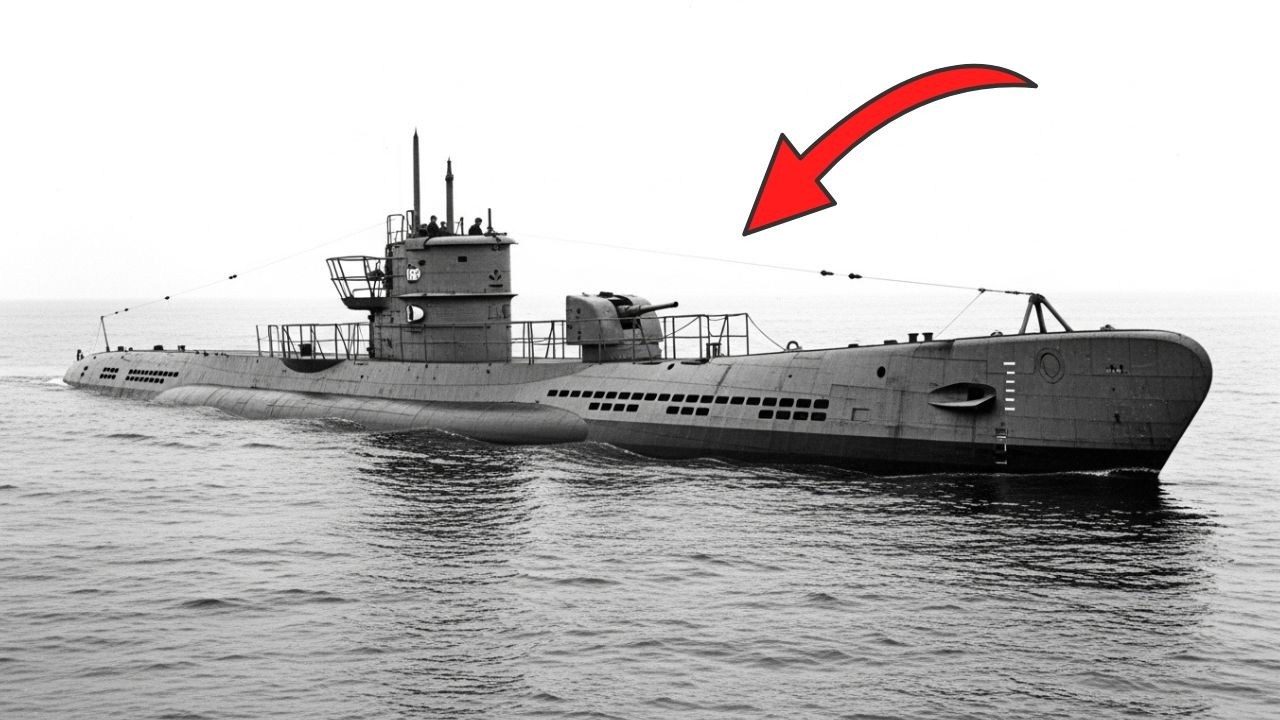
British Engineers Tested U‑Boat Hull Steel — Then Proved Allied Charges Were Enough
Автор: WW2 Brief
Загружено: 2025-11-12
Просмотров: 21
Описание:
What happens when careful lab science meets wartime assumptions? In November 1944 at Teddington, British engineers tested captured U‑boat hull steel—and uncovered a surprising truth. The material showed far lower toughness under pressure than expected, helping explain why Allied depth charges were often sufficient against submarines in the Atlantic. This video breaks down the test methods, the metallurgy behind the findings, and what it meant for World War II naval operations.
You’ll learn:
How British metallurgists evaluated U‑boat pressure hull steel at the National Physical Laboratory
Why factors like notch toughness, weld quality, and temperature mattered at depth
Rated crush depth vs. real-world performance
Why Allied anti-submarine charges proved effective in practice
The engineering lessons that still apply today
If you enjoy historically grounded engineering analysis—clear, visual, and BS-free—hit subscribe and share with a fellow history/engineering fan.
#History #Engineering #WorldWarII #Metallurgy #NavalHistory #Submarines #Uboats #MaterialScience #BattleOfTheAtlantic #Testing
british engineers, national physical laboratory, teddington, u‑boat steel, u boat hull, pressure hull, crush depth, world war ii submarines, ww2 engineering, naval engineering, material science, metallurgy, historic lab tests, depth charge effectiveness, anti-submarine tactics, battle of the atlantic, convoy escorts, asdic sonar, engineering analysis, notch toughness, charpy impact test, weld quality, cold temperature effects, marine steel, submarine materials, structural integrity, historical engineering, allied technology, 1940s engineering, engineering history, submarine design, testing methods, lab analysis, wwii submarines, uboats history
Повторяем попытку...

Доступные форматы для скачивания:
Скачать видео
-
Информация по загрузке: