NEVER Drink Coffee This Late ❌ | Dr. Huberman Explains Why Your Sleep Suffers
Автор: Better Brain Better Body
Загружено: 2025-05-30
Просмотров: 1460
Описание:
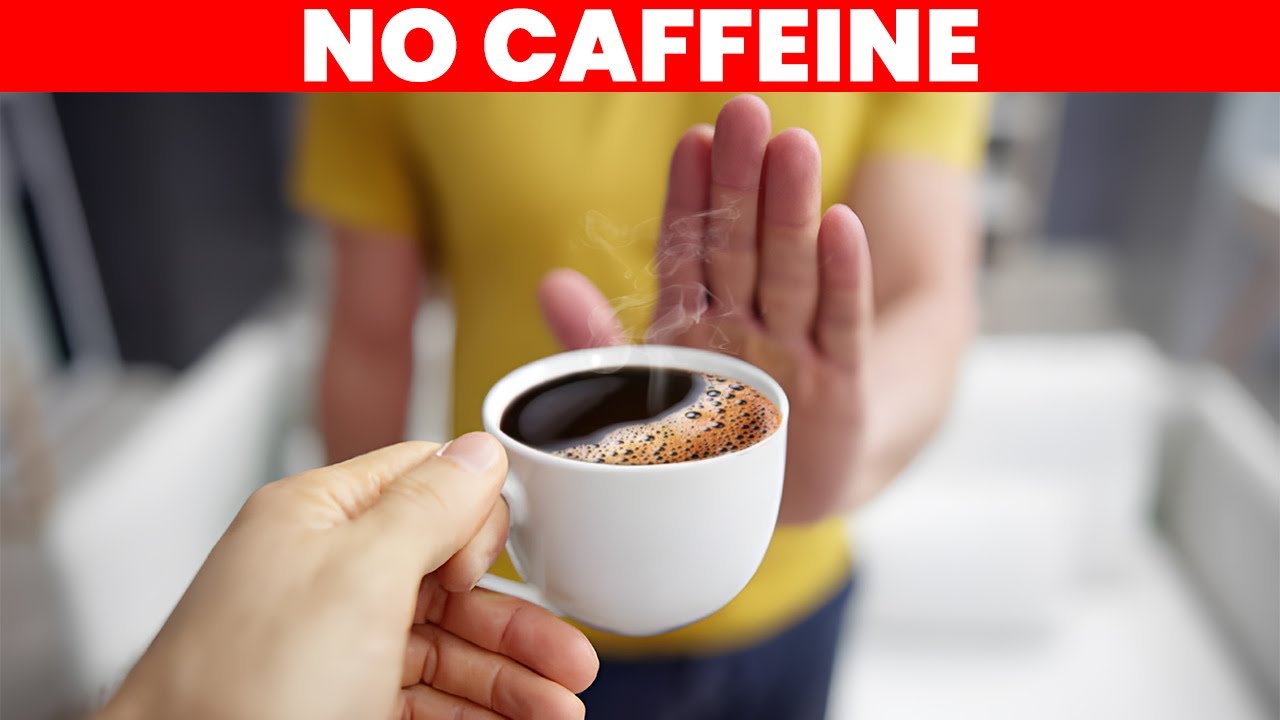
f you drink coffee, tea, soda, or any caffeine past the afternoon, you might be sabotaging your sleep. 🧠💤
📘 → Protocols: An Operating Manual for the Human Body by Andrew Huberman: https://amzn.to/3GAXUER
🛒 →AG1 Greens Powder Supplement: https://amzn.to/3HrxqG4
Dr. Andrew Huberman, professor of neurobiology at Stanford, explains how caffeine—even consumed 8 to 12 hours before bed—can seriously disrupt both deep sleep (slow-wave) and REM sleep, leaving you feeling foggy, tired, and cognitively impaired the next day.
Even if you fall asleep, the quality of your sleep is likely compromised if caffeine is still in your system. Remember:
☕ Caffeine’s half-life = ~5–6 hours
🛑 Avoid caffeine after 12pm–2pm for optimal sleep
💡 Prioritize sleep architecture for better performance, mood, and health
🔔 Subscribe for more science-based tips from Dr. Huberman on sleep, brain function, and performance @BetterBrainBetterBody
#hubermanlab #sleep #caffeine #coffeetips #andrewhuberman #sleepbetter #rem #deepsleep #neuroscience #health
☕ Understanding Caffeine's Impact on Sleep
Caffeine works by blocking adenosine receptors in the brain. Adenosine is a neurotransmitter that promotes sleep and relaxation. By inhibiting adenosine, caffeine delays sleep onset and reduces sleep pressure, making it harder to fall asleep and stay asleep.
The half-life of caffeine—the time it takes for half of the caffeine to be eliminated from the body—ranges between 3 to 7 hours in healthy adults, but can extend up to 12 hours depending on individual factors like age, liver function, and genetic variations.
💤 Scientific Findings on Caffeine and Sleep Disruption
Recent studies have shed light on how caffeine affects sleep:
Reduced Total Sleep Time: Consuming caffeine can decrease total sleep time by approximately 45 minutes and reduce sleep efficiency by 7%.
Altered Sleep Architecture: Caffeine intake increases light sleep stages (N1) by 6.1 minutes and decreases deep sleep stages (N3 and N4) by 11.4 minutes, leading to less restorative sleep.
Delayed REM Sleep: Regular caffeine consumption during the day can delay the onset of REM sleep, which is crucial for memory consolidation and emotional processing.
Increased Brain Activity During Sleep: Caffeine reduces slow-wave sleep rhythms and increases beta wave activity, keeping the brain in a more alert state overnight.
⏰ Optimal Timing for Caffeine Consumption
To minimize caffeine's negative impact on sleep:
Avoid Caffeine 8–12 Hours Before Bed: Given caffeine's half-life, it's advisable to stop consuming caffeine at least 8 hours before bedtime. For individuals sensitive to caffeine, a 12-hour window may be more appropriate.
Monitor Your Intake: Be aware of hidden sources of caffeine, such as chocolate, certain medications, and decaffeinated products, which can still contain small amounts of caffeine.
Consider Your Individual Sensitivity: Factors like age, body weight, and genetic makeup can influence how your body metabolizes caffeine. Adjust your consumption accordingly.
🧬 Caffeine's Broader Health Implications
While caffeine has its benefits, including improved alertness and potential protective effects against certain diseases, excessive or poorly timed consumption can lead to:
Increased Anxiety and Restlessness: High doses of caffeine can cause jitteriness and exacerbate anxiety symptoms.
Digestive Issues: Caffeine can increase stomach acid production, leading to discomfort or acid reflux in some individuals.
Dependency and Withdrawal: Regular caffeine use can lead to physical dependence, with withdrawal symptoms like headaches, fatigue, and irritability upon cessation.
📺 About Dr. Andrew Huberman
Dr. Andrew Huberman is a neuroscientist and tenured professor at Stanford University School of Medicine. He is renowned for his research on brain function, behavior, and health optimization. Through the Huberman Lab Podcast and various public engagements, Dr. Huberman shares science-based tools and insights to help individuals enhance their mental and physical well-being.
DISCLAIMER: This channel is not created, operated or in any form endorsed by Dr. Andrew Huberman. We are simply sharing his wisdom in an edited, short form.
Fair Use Disclaimer
Copyright disclaimer under section 107 of the Copyright Act 1976, allowance is made for "fair use" for purposes such as criticism, commenting, news reporting, teaching, scholarship and research. Fair use is a use permitted by copyright statute that might otherwise be infringing. Non-profit, educational or personal use tips the balance in favor of fair use.
Повторяем попытку...

Доступные форматы для скачивания:
Скачать видео
-
Информация по загрузке: