Surface Mining: Methods, Planning, Equipment & Sustainability — MNG 230
Автор: Dutton Institute
Загружено: 2026-02-19
Просмотров: 112
Описание:
📘 Surface Mining: Methods, Planning, Equipment & Sustainability — MNG 230 | Penn State Energy & Mineral Engineering
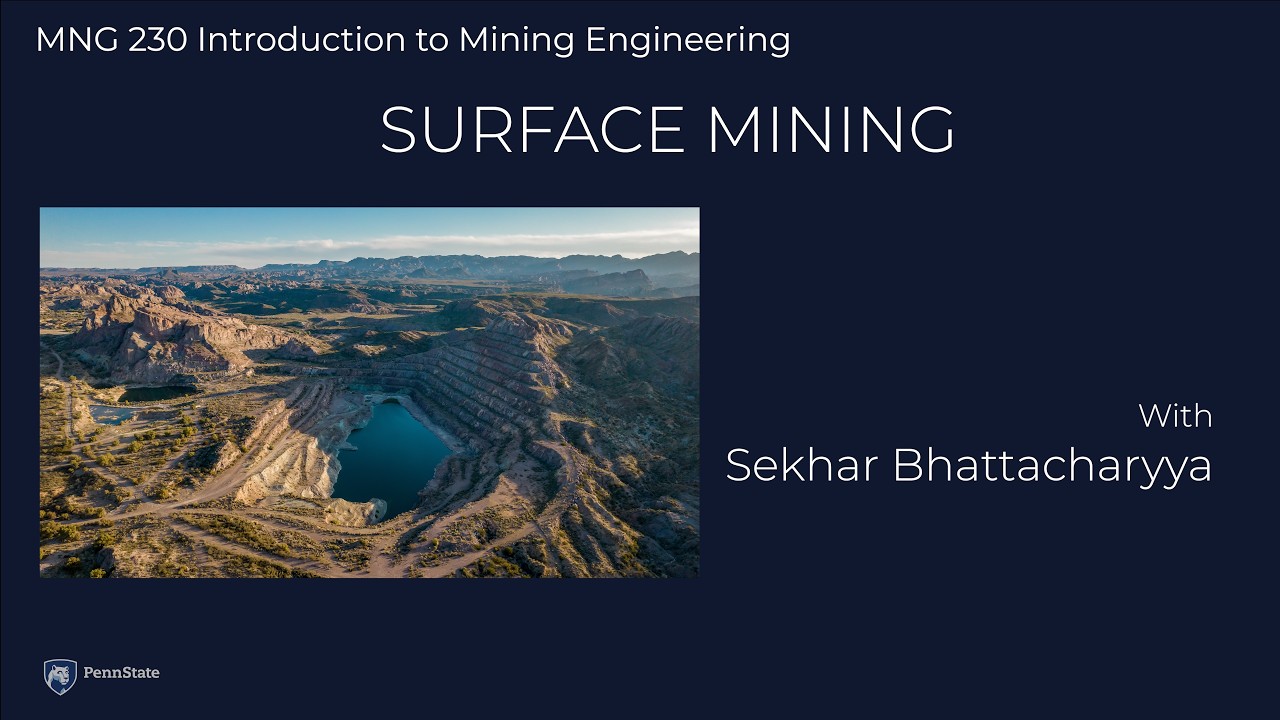
Welcome to this module of MNG 230: Introduction to Mining Engineering, taught through the Penn State Department of Energy and Mineral Engineering (EME). In this session, Dr. Shekhar Bhattacharyya introduces the fundamentals of surface mining—the mining approach responsible for the majority of global mineral production.
This lesson covers key mining methods, planning and design, operational cycles, equipment, environmental challenges, safety measures, and sustainability practices.
⭐ What Is Surface Mining?
Surface mining removes the overburden (soil and rock) above a shallow or extensive mineral deposit.
It is highly effective for materials such as coal, copper, iron ore, bauxite, limestone, aggregates, and industrial minerals.
Benefits include:
High production rates
Lower cost per ton
Direct and efficient access to ore
⭐ Major Surface Mining Methods
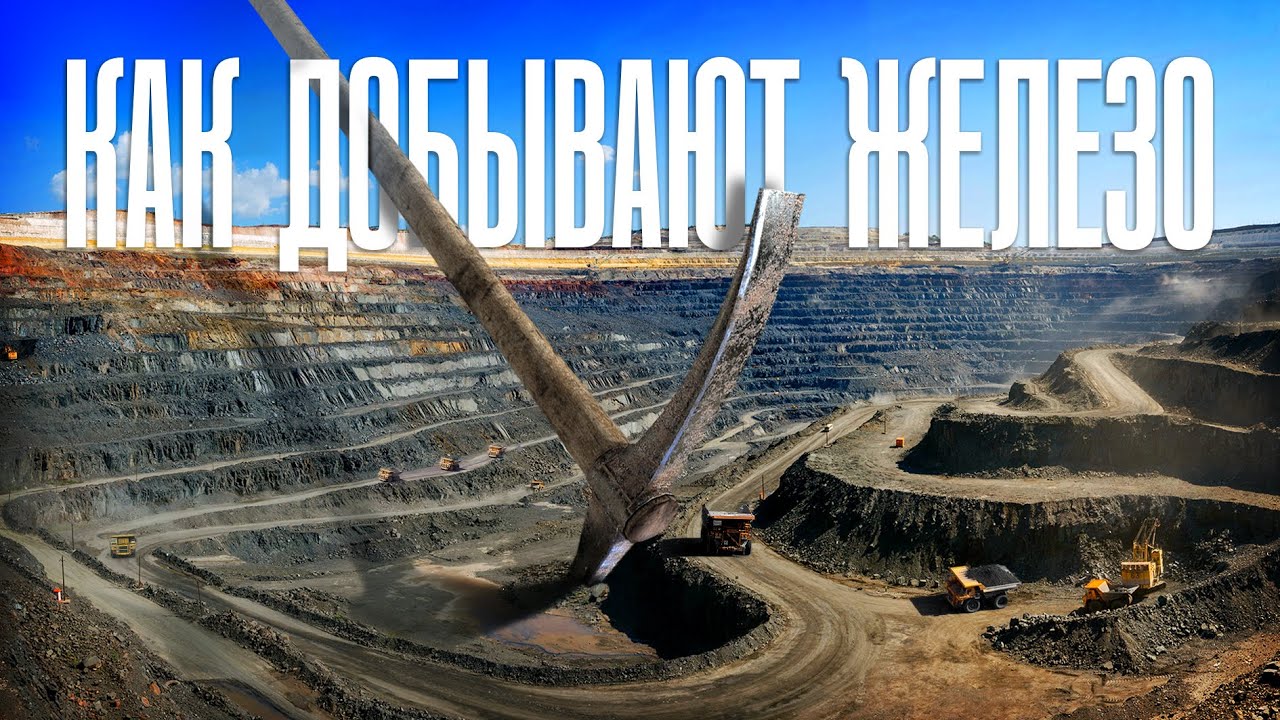
Open Pit Mining — used for hard‑rock minerals (copper, iron, gold); stepped benches for safety
Strip Mining — ideal for horizontal layered deposits like coal
Quarrying — for limestone, gravel, granite, marble, and construction stone
Mountaintop Removal — used in Appalachian coal fields, removing summit layers
Bucket‑Wheel Excavator Operations — continuous mining in large, uniform deposits (common in lignite)
Highwall Mining — retrieves remaining coal or ore from highwalls
Hydraulic/Placer/In‑Situ Mining — used for unconsolidated or soluble deposits
⭐ Mine Planning & Design
Effective planning includes:
Geological and geotechnical investigations
Slope stability and hydrology studies
Rock mechanics testing
Pit optimization using algorithms
Pit and dump design with safe slope angles
Bench geometry (height, width, face angle)
Haul road layout for large trucks
Phased mining (pushbacks)
Progressive reclamation
⭐ Surface Mining Operations
Typical process cycle:
Drilling and blasting
Excavation using shovels, loaders, draglines
Hauling via trucks or conveyors
Crushing and stockpiling
Reclamation integrated wherever possible
Key Equipment
Rotary drills and blast‑hole drills
Hydraulic and electric rope shovels
Draglines (especially in coal)
Haul trucks up to 400‑ton capacity
In‑pit crushers and conveyor systems
Support equipment: dozers, graders, water trucks
⭐ Environmental & Safety Challenges
Environmental concerns:
Dust, noise, and vibration
Water pollution and sedimentation
Habitat disturbance
Visual impacts
Safety focuses on:
Highwall and slope stability monitoring
Traffic management on haul roads
Regular inspections and operator training
Fatigue management
Controlled blasting practices
⭐ Regulation & Reclamation
In the U.S.:
SMCRA regulates coal surface mining and reclamation
Other minerals follow federal and state permitting processes
Reclamation includes:
Backfilling
Grading
Topsoil replacement
Revegetation with native species
Restoring wetlands and water features
Bonding to ensure completion
⭐ Sustainability & Community Engagement
Modern surface mining emphasizes:
Water recycling systems
Early and ongoing reclamation
Native vegetation restoration
Collaboration with local communities
Maintaining a social license to operate
A case study included in the course explores Florida phosphate mining, which uses strip mining and hydraulic dredging, followed by wetland and lake restoration.
🎓 Why Penn State?
Penn State’s Department of Energy & Mineral Engineering prepares future mining engineers to balance:
Productivity
Environmental protection
Safety
Community trust
This module shows how responsible engineering drives modern surface mining.
Повторяем попытку...
Доступные форматы для скачивания:
Скачать видео
-
Информация по загрузке: