Inside the 1920s Pittsburgh Steel Mill: How 160 Steps Turned Iron Ore Into America's Steel
Автор: Industrial Vault
Загружено: 2026-01-07
Просмотров: 1010
Описание:
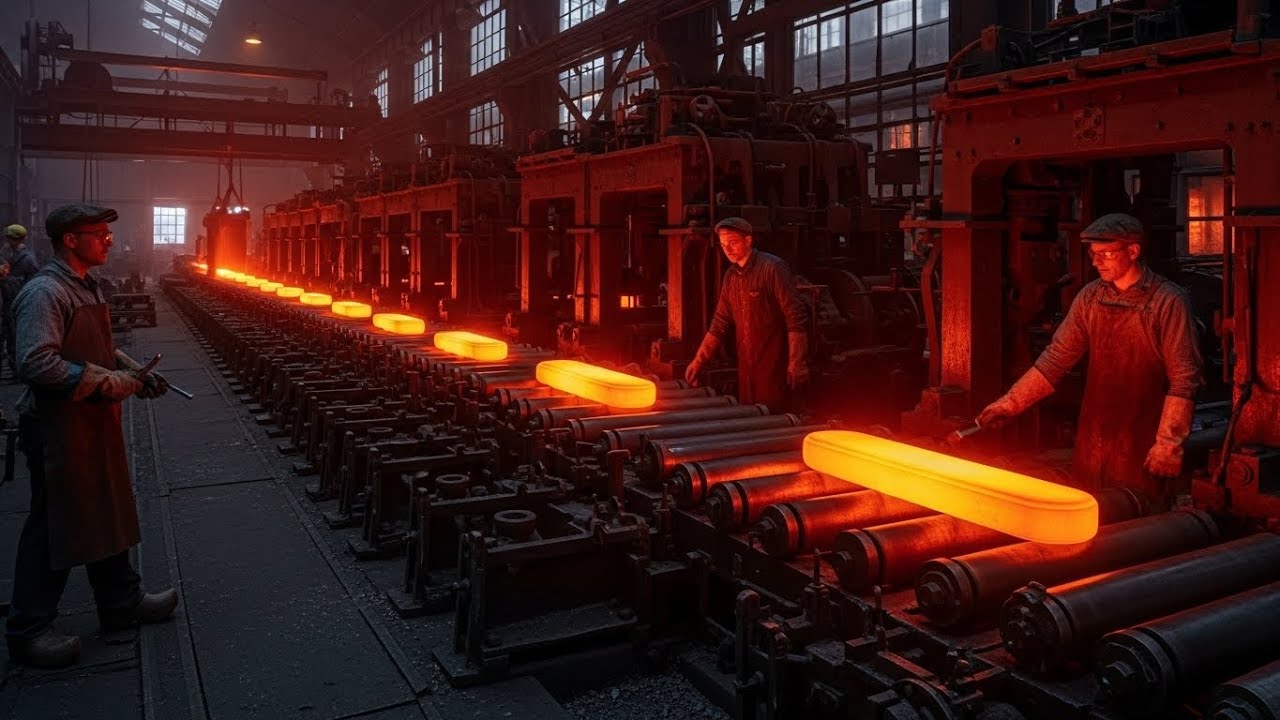
⚠️ AI-GENERATED CONTENT: This video uses AI-generated visuals to illustrate the historical manufacturing process of 1920s Pittsburgh steel production. All historical facts, specifications, and production details are based on documented research and primary sources.
Step inside Carnegie Steel's Homestead Works and Edgar Thomson Steel—the heart of Pittsburgh's legendary "Steel City"—where 165 precisely choreographed steps transformed Lake Superior iron ore into the rails, plates, and beams that built America. From blast furnaces roaring at 3,600°F to explosive Open Hearth taps that sent fireworks "clear across the building," witness the brutal 12-hour shifts in 150°F heat that forged American industry.
🏭 THE MILLS: PITTSBURGH'S STEEL EMPIRE
*Edgar Thomson Works* (Braddock): Carnegie's first major mill (1875); specialized in rails; Captain Jones designed "most powerful rail mill in the country"; could produce 600 rails in 11.5 hours
**Homestead Steel Works**: World's largest Open Hearth shop; plates and structural steel for battleships, bridges, buildings; armor plate for U.S. Navy
**Carrie Blast Furnaces**: Supplied molten iron via iconic Hot Metal Bridge crossing Monongahela River
**Duquesne Works**: 6 blast furnaces, 33 Open Hearth furnaces
*Scale:* Multiple integrated mills along Monongahela River; thousands of workers per facility; 24-hour operations
#PittsburghSteel #SteelCity #1920s #CarnegieSteel #USSteel #BlastFurnace #OpenHearth #Homestead #EdgarThomson #MonongahelaRiver #IndustrialHistory #AmericanManufacturing #SteelMill #IronOre #HistoricalManufacturing
Повторяем попытку...
Доступные форматы для скачивания:
Скачать видео
-
Информация по загрузке: