If You Talk to Yourself, Watch This
Автор: Shadow Psyche
Загружено: 2026-02-26
Просмотров: 13
Описание:
If you talk to yourself, you're not crazy. You're not weird. You're actually more intelligent than most people.
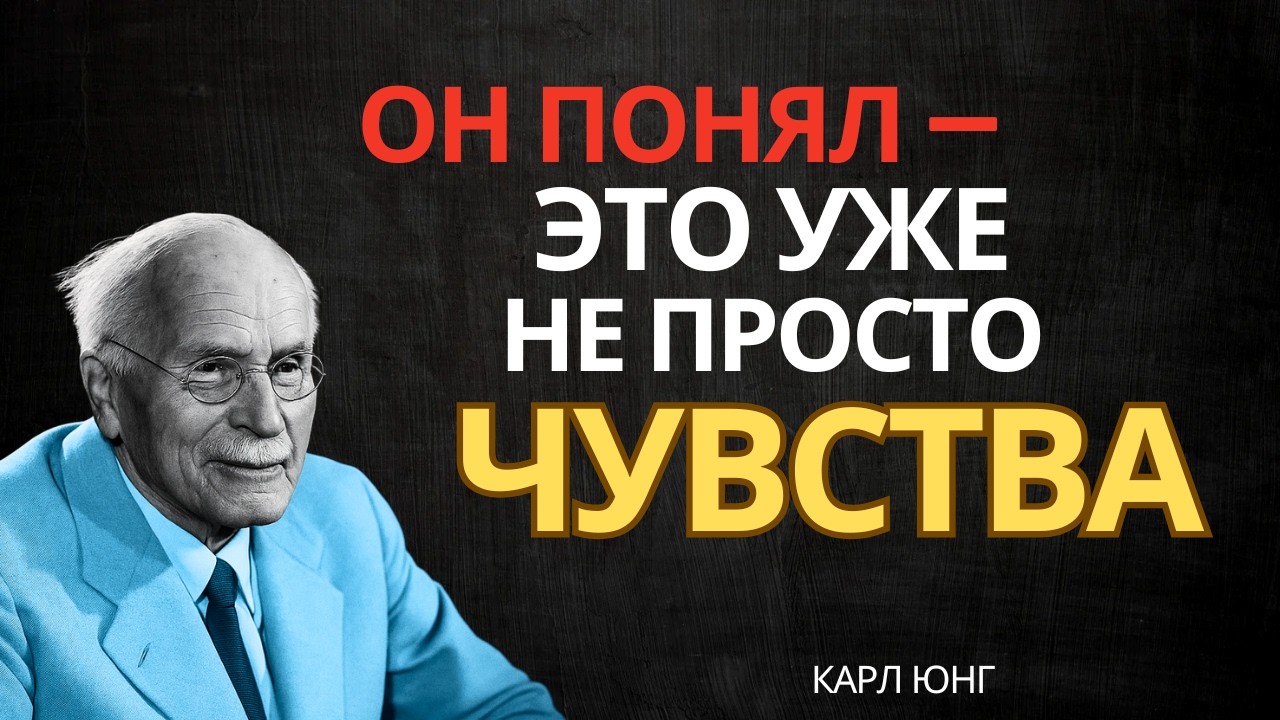
Carl Jung discovered that talking to yourself is what self-aware, highly intelligent people do naturally. And modern neuroscience proves it.
This video explains why talking to yourself is a sign of intelligence, what different types of self-talk mean, and how to use it to become better at everything.
🧠 7 REASONS TALKING TO YOURSELF MAKES YOU SMARTER:
1. IT ORGANIZES YOUR THOUGHTS
Your brain processes 50,000 thoughts per day. When you speak them out loud, you force them into order. This creates clarity and understanding.
2. IT IMPROVES EMOTIONAL REGULATION
Speaking to yourself (especially in 3rd person) creates psychological distance from emotions. You become your own therapist.
3. IT ENHANCES MEMORY
Saying something out loud encodes it twice (thought + sound). This is why studying out loud works better than reading silently.
4. IT BOOSTS MOTIVATION
Athletes use self-talk to improve performance. Studies show basketball players who talk to themselves make more free throws.
5. IT IMPROVES PROBLEM-SOLVING
Externalizing problems helps you see solutions you'd miss internally. This is why "rubber duck debugging" works for programmers.
6. IT INCREASES SELF-AWARENESS
Hearing yourself speak reveals unconscious patterns, assumptions, and beliefs you didn't know you had.
7. IT'S A SIGN OF COMPLEX THINKING
Smart people have more to process. Talking to yourself isn't a flaw—it's your brain managing sophisticated thoughts.
📊 5 TYPES OF SELF-TALK (Science-Backed):
INSTRUCTIONAL (guiding yourself through tasks)
MOTIVATIONAL (encouraging yourself)
EMOTIONAL (processing feelings)
EXPLORATORY (thinking out loud without agenda)
PROBLEM-SOLVING (working through specific challenges)
🎯 WHAT IT MEANS WHEN YOU TALK TO YOURSELF:
WHEN ALONE → Private speech (normal cognitive function)
IN DIFFERENT VOICES → Engaging sub-personalities (Jung's concept)
WHEN STRESSED → Self-soothing and problem-solving
IN THIRD PERSON → Advanced emotional regulation
REPLAYING CONVERSATIONS → Social processing and learning
ABOUT GOALS → Commitment reinforcement
MORE AS YOU AGE → Increased self-awareness and authenticity
✅ 7 WAYS TO USE SELF-TALK INTENTIONALLY:
1. Instructional self-talk for complex tasks
2. Motivational self-talk when things get hard
3. Third-person self-talk when upset (reduces reactivity)
4. Exploratory self-talk when stuck (lets unconscious speak)
5. Questioning self-talk for self-awareness
6. Gratitude self-talk to shift your state
7. Identity self-talk to reinforce who you're becoming
⏱️ TIMESTAMPS:
0:00 - If You Talk to Yourself, Watch This
0:20 - Reason 1: Organizes Your Thoughts
1:30 - Reason 2: Improves Emotional Regulation
2:40 - Reason 3: Enhances Memory
3:40 - Reason 4: Boosts Motivation
4:40 - Reason 5: Better Problem-Solving
5:30 - Reason 6: Increases Self-Awareness
6:30 - 5 Types of Self-Talk (Science)
10:00 - Instructional vs Motivational vs Emotional
13:00 - What It Means in Different Situations
16:00 - Third-Person Self-Talk (Why It Works)
19:30 - How to Use Self-Talk Intentionally
22:00 - Quality of Internal Dialogue = Quality of Life
25:30 - You're Not Crazy, You're Smart
📚 CARL JUNG QUOTES:
"Until you make the unconscious conscious, it will direct your life and you will call it fate."
"The quality of your internal dialogue determines the quality of your life."
🎓 SCIENCE SOURCES:
This video is based on:
Carl Jung's analytical psychology
Lev Vygotsky's research on private speech
Modern neuroscience on self-talk and cognitive function
Sports psychology research on performance
Emotional regulation studies
🎯 FOR YOU IF:
✅ You talk to yourself when alone
✅ You narrate tasks out loud
✅ You have conversations with yourself
✅ You replay conversations in your head
✅ You talk yourself through problems
✅ People call you "weird" for talking to yourself
✅ You wondered if you're normal
You're not just normal. You're advanced.
🧠 ABOUT SHADOW PSYCHE:
We explain psychology, neuroscience, and Carl Jung's depth psychology for people who want to understand their minds better. No judgment. No shame. Just science and wisdom.
💡 SHARE THIS VIDEO:
If this helped you feel normal about talking to yourself, share it! Your friends who do this need to see it too.
🔬 ADDITIONAL RESEARCH:
Want to dive deeper? Research these terms:
Private speech (Vygotsky)
Self-directed speech
Verbal self-regulation
Dialogical self theory
Inner speech psychology
⚠️ DISCLAIMER: Educational content based on psychology and neuroscience research. Not medical advice.
--
#TalkingToYourself #Psychology #CarlJung #SelfTalk #Intelligence #Neuroscience #PrivateSpeech #CognitiveScience #SelfAwareness #MentalHealth #BrainScience #SmartPeople #PsychologyFacts #InnerDialogue
--
Shadow Psyche © 2025
Decode your mind. Rewire your reality.
P.S. - Yes, I talk to myself while making these videos. And now you know why. 😉
Повторяем попытку...

Доступные форматы для скачивания:
Скачать видео
-
Информация по загрузке: