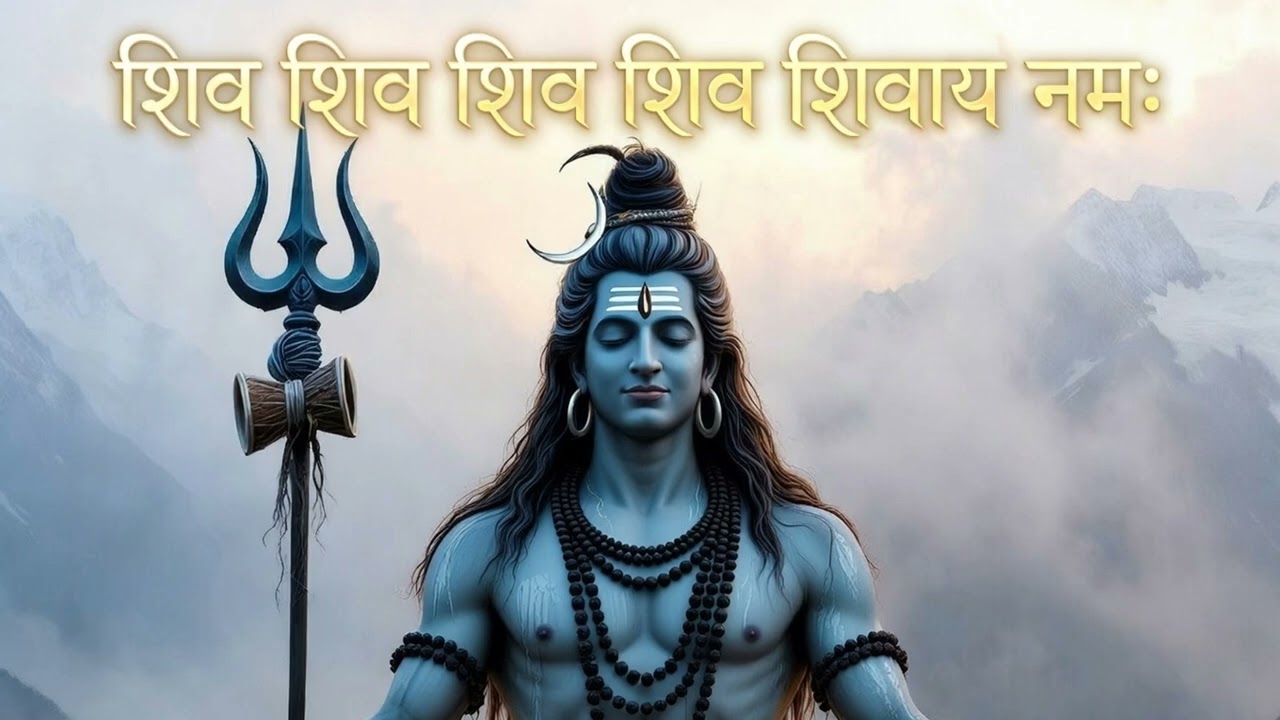
हाटकेश्वरस्तोत्रम् | Hatakeshvarastotram | श्रीवामनपुराणे | ॐ नमोऽस्तु शर्व! शम्भो! त्रिनेत्र!
Автор: अंतर विलय
Загружено: 2026-02-17
Просмотров: 26
Описание:
Radiant tribute to Lord Shiva in his majestic form as Hatakeshvara—the "Golden Lord" or "Lord of Gold" in the Hatakeshvara Stotram, a profound devotional hymn from the ancient Vamana Purana. This stotram, composed in an elaborate prose style (known as gadya stotram), unfolds as a cascading litany of divine epithets and attributes, invoking Shiva's multifaceted essence as both the fierce destroyer of evil and the benevolent bestower of auspiciousness.
Beginning with the sacred syllable Om, the hymn salutes Shiva through a rich cascade of names: Sharva (the archer), Shambhu (the auspicious one), Trinetra (the three-eyed), Charugatra (of beautiful form), Trailokyanatha (lord of the three worlds), and Umapate (consort of Uma/Parvati). It celebrates his cosmic deeds, such as the destruction of Daksha's sacrifice, the burning of Kamadeva (the god of love), and the annihilation of terrible sins. The stotram portrays Shiva as Mahapurusha (the great being), Mahogra Murti (of fierce form), the wielder of the trident (Trishuladhara), the enemy of Smara (Smarari), the dweller in caves (Guha-dhaman), and the one clad in directions (Digvasas). It reveres his adorned appearance—with matted locks (Jatadhara), garlands of skulls (Kapala-mala-vibhushita), and the crescent moon—while invoking his terrifying yet protective aspects, including Bhimasenanatha (lord of the mighty Bhima), Pashupati (lord of all beings), and Kamangadahin (the burner of desire).
The hymn continues to weave in Shiva's paradoxical nature: the stable Sthanu, the singular Ekalinga, the beloved of the Yamuna (Kalindipriya), the blue-throated Nilakantha, the invincible Aparajita, the terror to enemies (Ripubhayankara), and the lord of contentment (Santoshapate). It addresses his peaceful and fierce manifestations—Aghora (not terrible), Tatpurusha (the original supreme spirit), Mahaghora (supremely terrible), Shanta (peaceful), Sarasvatikanta (beloved of Saraswati), Sahasramurti (of a thousand forms), and Vibhu (the all-pervading). References to cosmic roles abound: Kala-agni (fire of time), Rudra (the roarer), Hara (the remover), the beloved of the mountains (Mahidhara-priya), the resident of all holy places (Sarvatirthadhivasa), and associations with sacred sites like Kedara, Gokarna, and Gaya.
The stotram culminates in an ecstatic vision of Shiva as the one with a thousand faces, eyes, and feet (Sahasra-vaktra-akshi-charana), the supreme Hatakeshvara, before concluding with repeated salutations: "Namaste namaste namaste namah." The text explicitly states its origin: "Iti Shri Vamana Purane Hatakeshvarastotram Sampurnam" (Thus ends the Hatakeshvara Stotram in the Shri Vamana Purana).
Within the broader narrative of the Vamana Purana—which primarily narrates Vishnu's dwarf incarnation and the subjugation of Bali—this hymn emerges in devotional contexts tied to Shiva worship. It appears in episodes involving penance, curses, and redemption, such as the story of Chitrangada (daughter of Vishvakarma), who, advised by Sage Shri Kantha, worships Hatakeshvara at the Sapta Godavari Tirtha to resolve her afflictions, leading to encounters with divine beings and spiritual resolution. The form of Hatakeshvara symbolizes Shiva's radiant, golden aspect ("hataka" meaning gold), evoking purity, brilliance, and divine wealth.
This stotram holds deep significance in Shaivite tradition, believed to confer spiritual attainments (such as the eight siddhis beginning with anima), destroy immense sins, and grant protection, auspiciousness, and elevation. Revered in various regions, Hatakeshvara is the presiding deity in temples across India, notably near Cuttack in Odisha, in Vadnagar and Khadia in Gujarat (where it is central to the Nagar Brahmin community's worship), and linked to sites mentioned in Puranas like Skanda and Linga. The hymn blends Puranic devotion with elements of Tantric reverence, making it a powerful chant for sin removal, enemy protection, and communion with Shiva's infinite forms.
In essence, the Hatakeshvara Stotram is more than a prayer—it is a poetic encapsulation of Shiva's eternal dance between destruction and grace, terror and tranquility, embodying the golden light of ultimate reality that devotees seek to realize through unwavering bhakti.
Повторяем попытку...
Доступные форматы для скачивания:
Скачать видео
-
Информация по загрузке:
![Tandavam - Live in Dubai | Rishab Rikhiram Sharma | Mahashivratri Special [OUT NOW!]](https://imager.clipsaver.ru/0l4sWCF05i0/max.jpg)