Chalk rocks 2: Flint
Автор: OneMinuteGeology
Загружено: 2021-10-16
Просмотров: 37133
Описание:
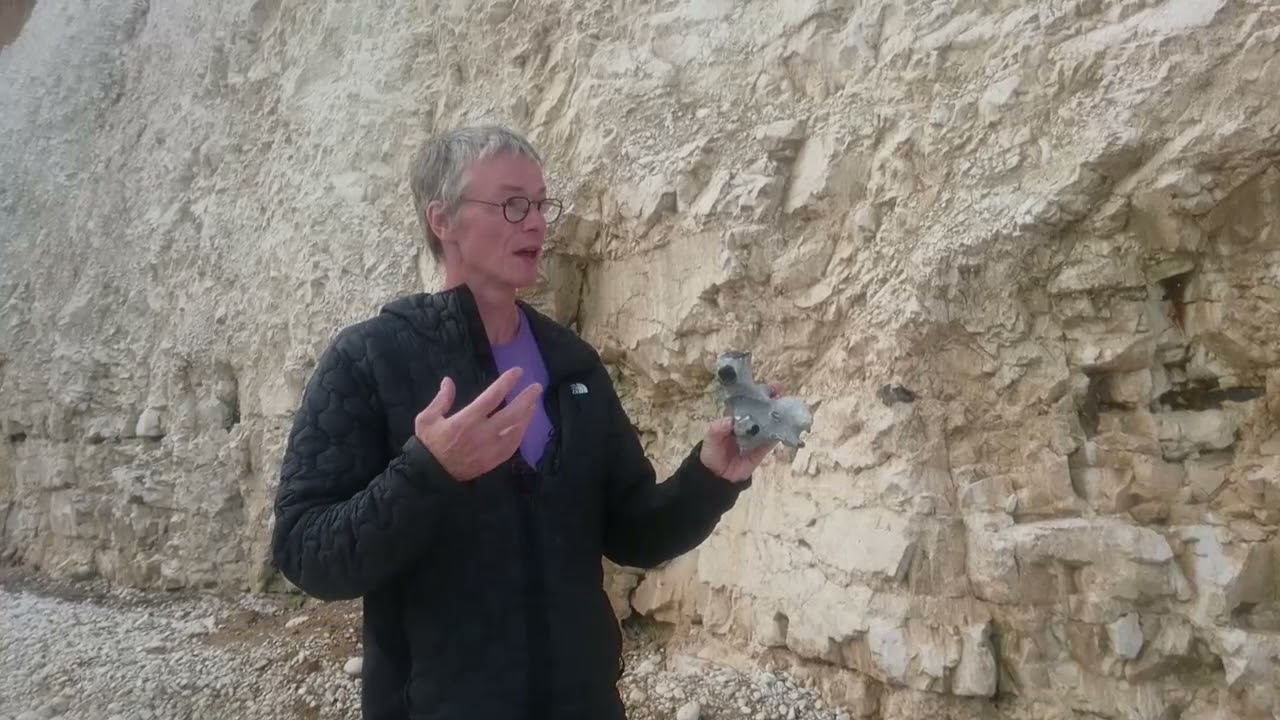
The shallow tropical Cretaceous seas in which the Chalk formed was home to a rich sea-floor biota, including many siliceous sponges. These have small needle-like spicules which lock together to form scaffold structure made of SiO2 - the stuff of quartz. The amorphous form of silica which forms sponge spicules is quite unstable outside the sponge body and the spicules of dead sponges will dissolve into sea water. As the sediments lithify the silica precipitates out to form flint. It has an extremely small grain size - it is cryptocrystalline (almost still amorphous) and because of this it shows very nice glassy conchoidal fracture behavour. Because it precipitatied from a fluid, the flint takes on the form of the cavity which the fluid was occupying and so flint casts of fossils are quite common.
See also:
Chalk rocks 1: Chalk
• Chalk rocks 1: Chalk
Chalk rocks 3: Marcasite
• Chalk rocks 3: Marcasite
Повторяем попытку...
Доступные форматы для скачивания:
Скачать видео
-
Информация по загрузке: