The Strategic Failure of the Rising Sun: Why Japan’s Submarines Lost the Pacific War
Автор: The Soldier’s Story
Загружено: 2026-03-09
Просмотров: 8
Описание:
The Strategic Failure of the Rising Sun: Why Japan’s Submarines Lost the Pacific War
In the annals of naval history, the sinking of the USS Wasp on September 15, 1942, stands as a masterpiece of tactical execution. Commander Yahachi Tanabe and the crew of the I-19 achieved what every submariner dreamed of: striking a lethal blow against a high-value American aircraft carrier. Yet, despite this brilliance, Japan’s submarine force would ultimately contribute almost nothing to the outcome of World War II. In this deep dive, we explore the stark contrast between the Imperial Japanese Navy (IJN) and the United States Navy, revealing why one succeeded in strangling an empire while the other failed despite its technical superiority.
Doctrine vs. Reality: The Fatal Flaw
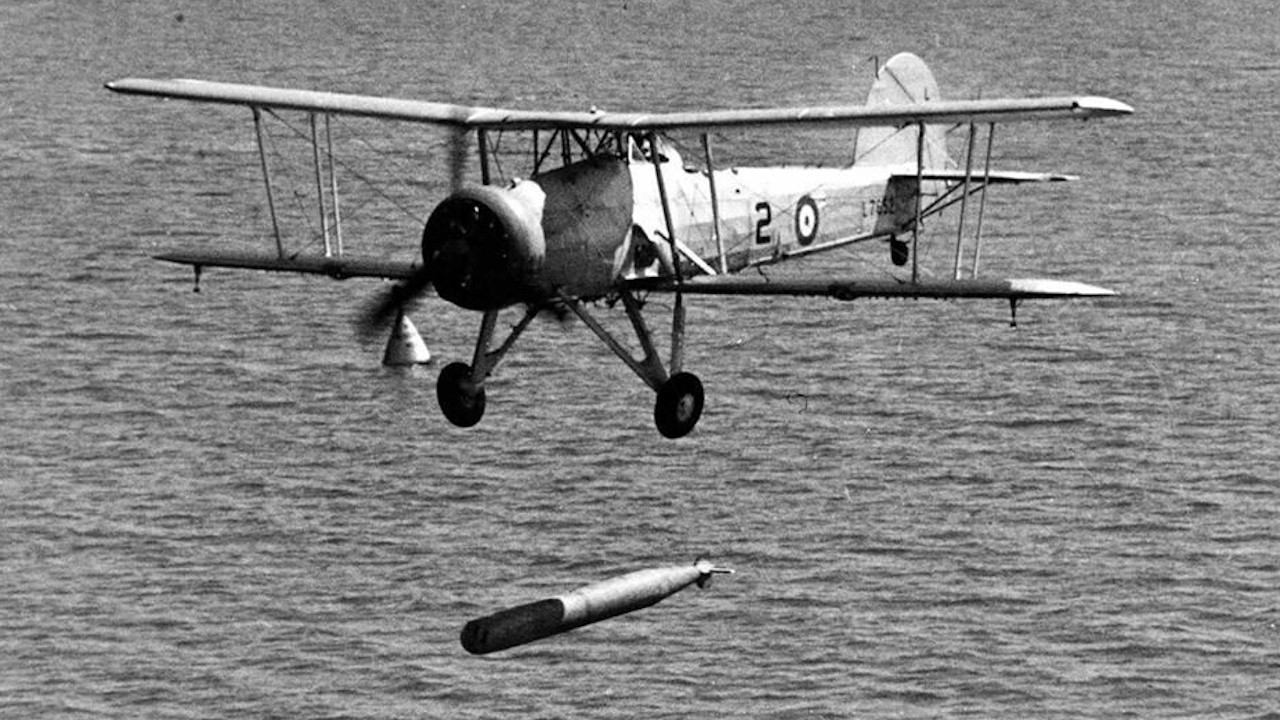
The primary reason for Japan's failure wasn't a lack of courage or technology; it was a failure of imagination. Japanese naval planners were obsessed with the "Decisive Battle" doctrine—the belief that the war would be won in a single, climactic clash between battleships and carriers. Consequently, Japanese submarines were designed as fleet scouts and warship hunters. They were ordered to ignore "unworthy" targets like merchant vessels and tankers, focusing instead on the glamorous but replaceable capital ships of the US fleet.
The American Approach: Maritime Strangulation
While Japan hunted carriers, the United States adopted a strategy of unrestricted submarine warfare. Admiral Chester Nimitz issued a directive to "execute unrestricted air and submarine warfare against Japan" just hours after Pearl Harbor. The target? The unglamorous cargo ships, tankers, and transports that served as the lifeblood of the Japanese home islands.
By mid-1943, the Gato-class and Balao-class submarines, built with revolutionary modular techniques in yards like Portsmouth and Electric Boat, began flooding the Pacific. These "Silent Service" crews systematically dismantled Japan's merchant marine. By the end of the war:
1,314 Japanese merchant ships were sent to the bottom by US subs.
60% of all Japanese merchant losses were attributed to the submarine campaign.
Oil imports to Japan plummeted to less than 10% of pre-war levels, grounding the once-mighty Imperial Japanese Air Force and leaving the super-battleship Yamato with only enough fuel for a one-way suicide mission.
The Mathematics of Victory
The disparity in results is staggering. In 1944 alone, Japanese submarines sank only 19 Allied merchant ships. In the same period, American submarines sank over 600 Japanese vessels. While Japan’s elite crews waited in empty oceans for carriers that never came, the US Navy was busy cutting the industrial throat of the Japanese Empire.
This story serves as a timeless lesson in military strategy: tactical excellence cannot compensate for a flawed strategic vision. Japan had the better torpedoes (the Type 95) and the largest submarines (the I-400 class), but they were fighting the wrong war.
#WWII History #NavalWarfare #SubmarineStrategy #PacificWar #USSNavy #ImperialJapaneseNavy #MilitaryHistory #USSWasp #SilentService #MaritimeHistory #WW2Documentary
Повторяем попытку...

Доступные форматы для скачивания:
Скачать видео
-
Информация по загрузке: