The U.S Publics' reaction to the VIETNAM WAR
Автор: Online Archive
Загружено: 2023-06-10
Просмотров: 1989
Описание:
Full video: https://tinyurl.com/VietnamWarArchive
Twitter: / archiveexplorer
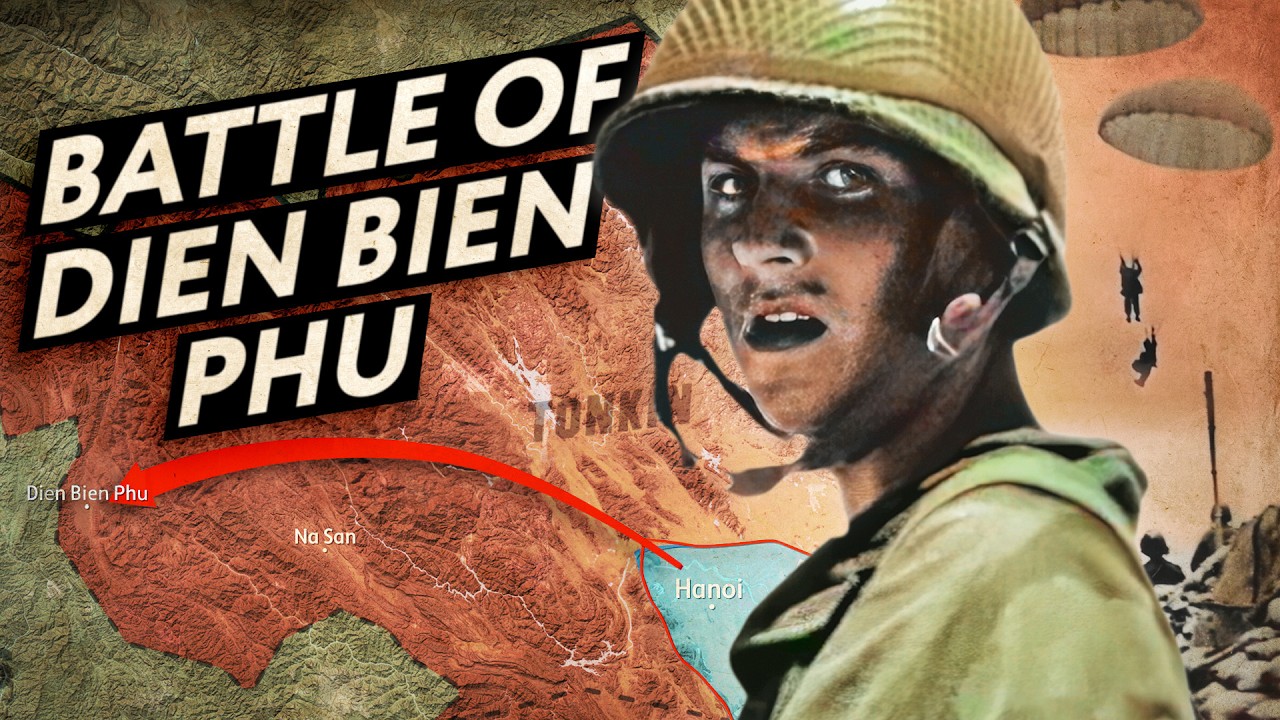
Vietnam War, Cold War, Indochina, French Indochina War, Ho Chi Minh, Viet Cong, Agent Orange, Tet Offensive, My Lai Massacre, Pentagon Papers, Draft Resistance, Anti-War Protests, Paris Peace Accords, North Vietnam, South Vietnam, Lyndon B. Johnson, Richard Nixon, Gulf of Tonkin, Napalm Bombing, POW-MIA, Hanoi Hilton, Operation Rolling Thunder, Domino Theory, Ho Chi Minh Trail, Fall of Saigon, Dien Bien Phu
The Vietnam War, also known as the Second Indochina War, was a long, costly, and divisive conflict that took place from 1955 to 1975. It was fought between the communist government of North Vietnam, supported by its allies including China and the Soviet Union, and the government of South Vietnam, supported mainly by the United States. The aim of the war from the North's perspective was to unify Vietnam under a single communist regime, whereas the South, with American assistance, sought to prevent the spread of communism.
The conflict originated from the First Indochina War, which resulted in the Geneva Accord in 1954 and led to the division of Vietnam along the 17th parallel. The North was led by Ho Chi Minh and the Viet Minh (later called Viet Cong), while the South was backed by the anti-communist dictator Ngo Dinh Diem. American involvement escalated under the presidencies of John F. Kennedy and Lyndon B. Johnson, following the controversial Gulf of Tonkin incident in 1964.
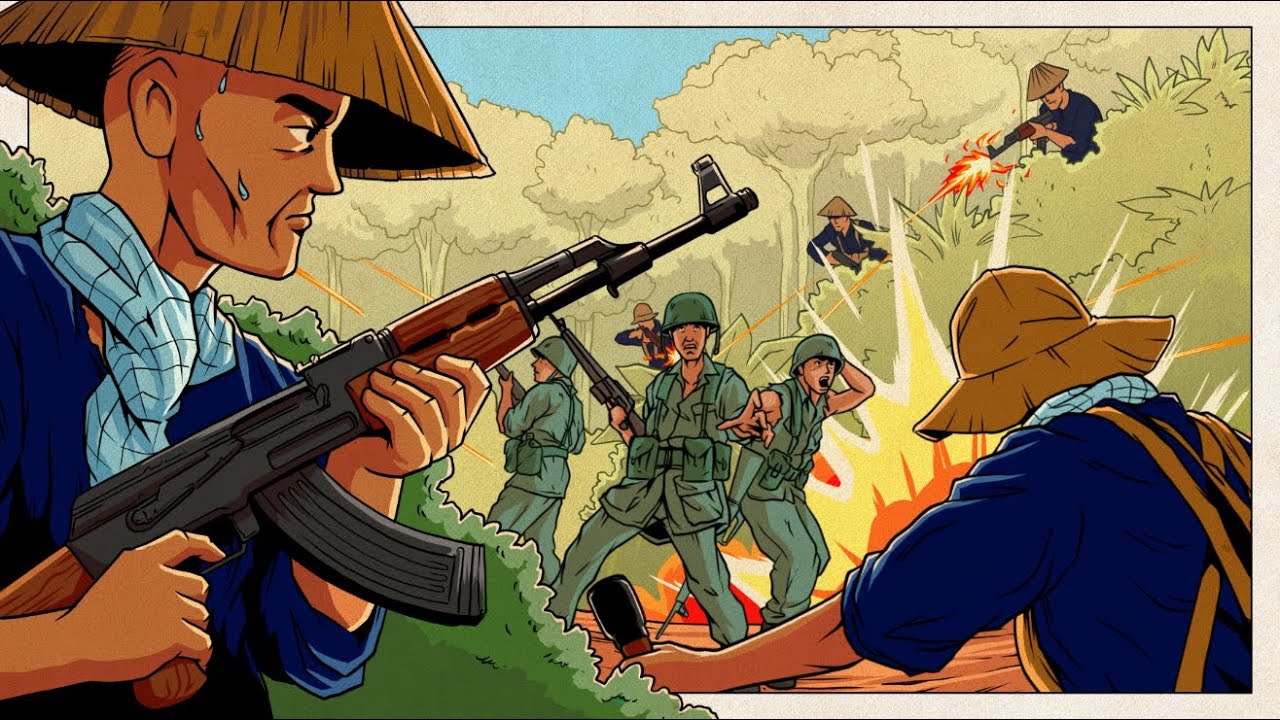
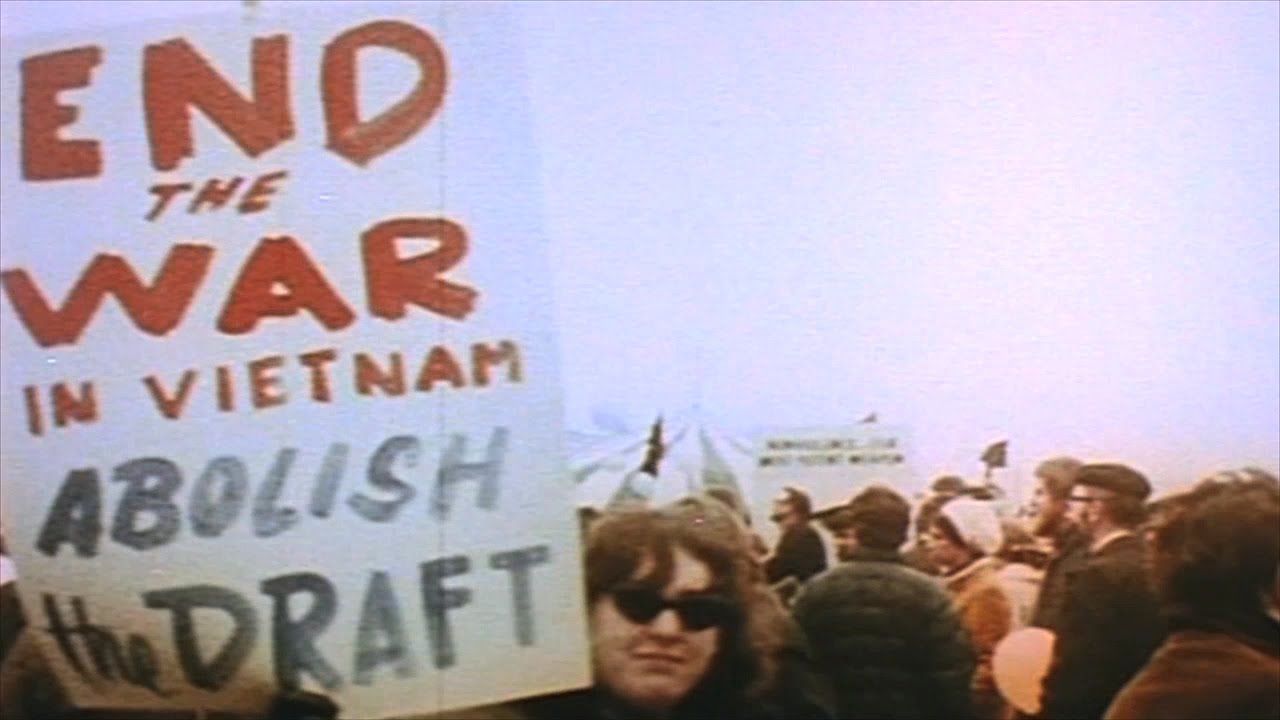
The war was characterized by extensive guerilla warfare in South Vietnam and intensive aerial bombing campaigns in North Vietnam, notably Operation Rolling Thunder. It saw numerous significant events, such as the Tet Offensive in 1968, which changed many American perceptions of the war. By the late 1960s and early 1970s, anti-war sentiment had grown strong in the United States, leading to protests, draft resistance, and a shift in public opinion.
In 1973, the Paris Peace Accords were signed, effectively recognizing the sovereignty of both sides and leading to the withdrawal of U.S. forces. However, the war didn't end until 1975 when the North launched a full-scale invasion of the South, culminating in the Fall of Saigon. The war left a deep and lasting impact on both Vietnam and the United States, influencing their political, social, and cultural landscapes for years to come.
Повторяем попытку...

Доступные форматы для скачивания:
Скачать видео
-
Информация по загрузке: