What If the Strait of Hormuz Closes 21 Days?
Автор: Finance Historian
Загружено: 2026-03-08
Просмотров: 4354
Описание:
What Happens If the Strait of Hormuz Remains Closed for More Than 21 Days?
📅 Date: February 28, 2026
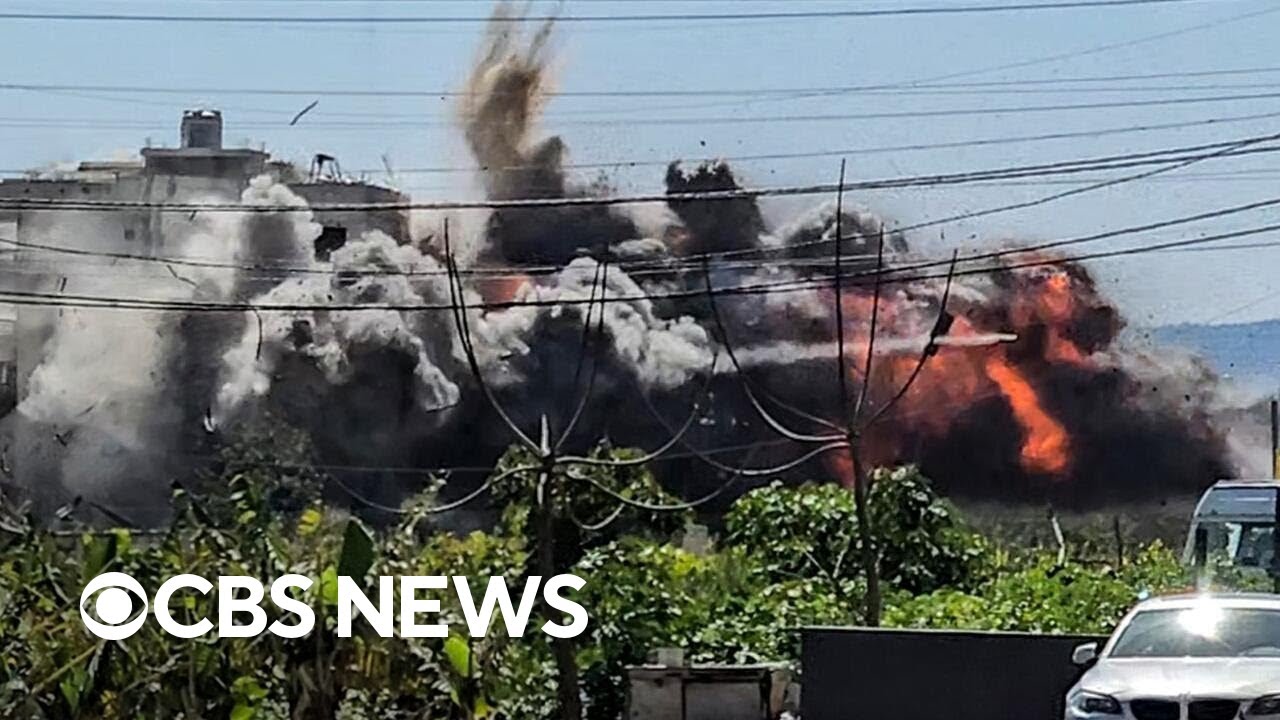
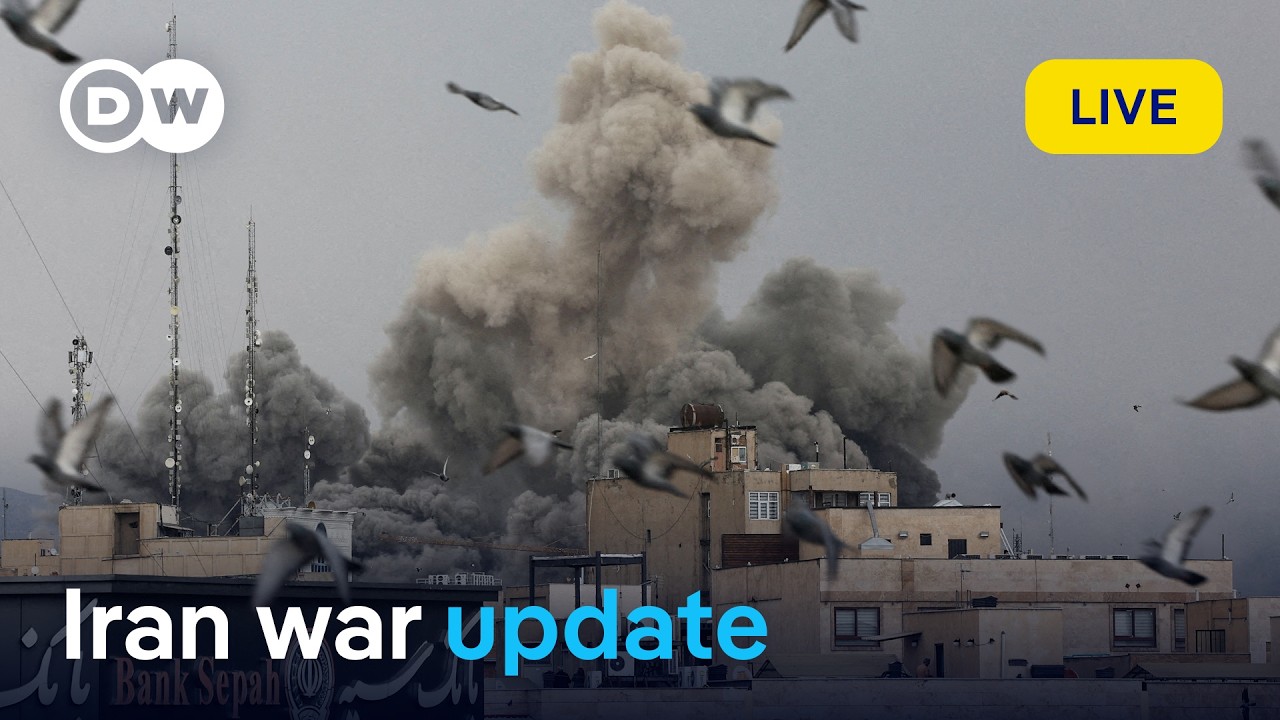
Tensions in the Middle East escalated beyond diplomacy, turning a war between the United States, Israel, and Iran into a regional crisis. The real turning point came on March 2, 2026, when Iran announced the closure of the critical Strait of Hormuz.
This was not just a military move—it sent shockwaves through the global economy.
So, what happens if the Strait of Hormuz stays closed for more than 21 days? Let’s break it down.
📌 SUBSCRIBE for weekly history & economics videos ⚔️💰
▶️ / @finance.historian
1️⃣ The Chokepoint of Global Energy
The Strait of Hormuz carries about 20 million barrels of oil daily, roughly 20% of global oil trade.
Key oil-exporting countries: Saudi Arabia, UAE, Kuwait, Qatar, Iraq.
Major importers: China, Japan, South Korea, India.
Closing the strait triggers immediate energy supply shocks and rising market anxiety.
2️⃣ First 72 Hours: Market Shock
Oil already at sea delays the physical shortage, but market psychology reacts instantly.
Rapid consequences:
Oil prices spike
Emergency energy meetings
Shipping insurance and logistics costs rise
The problem isn’t production—it’s transportation.
3️⃣ After One Week: The Tanker Crisis
Thousands of oil tankers queue near the Persian Gulf.
War-risk insurance premiums rise sharply.
Strategic petroleum reserves may be released, but logistical bottlenecks remain.
4️⃣ The 21-Day Threshold: Real Crisis
Energy companies typically hold ~3 weeks of supply.
Beyond 21 days:
Refineries struggle to secure crude
Oil becomes expensive and hard to obtain
Three major risks emerge:
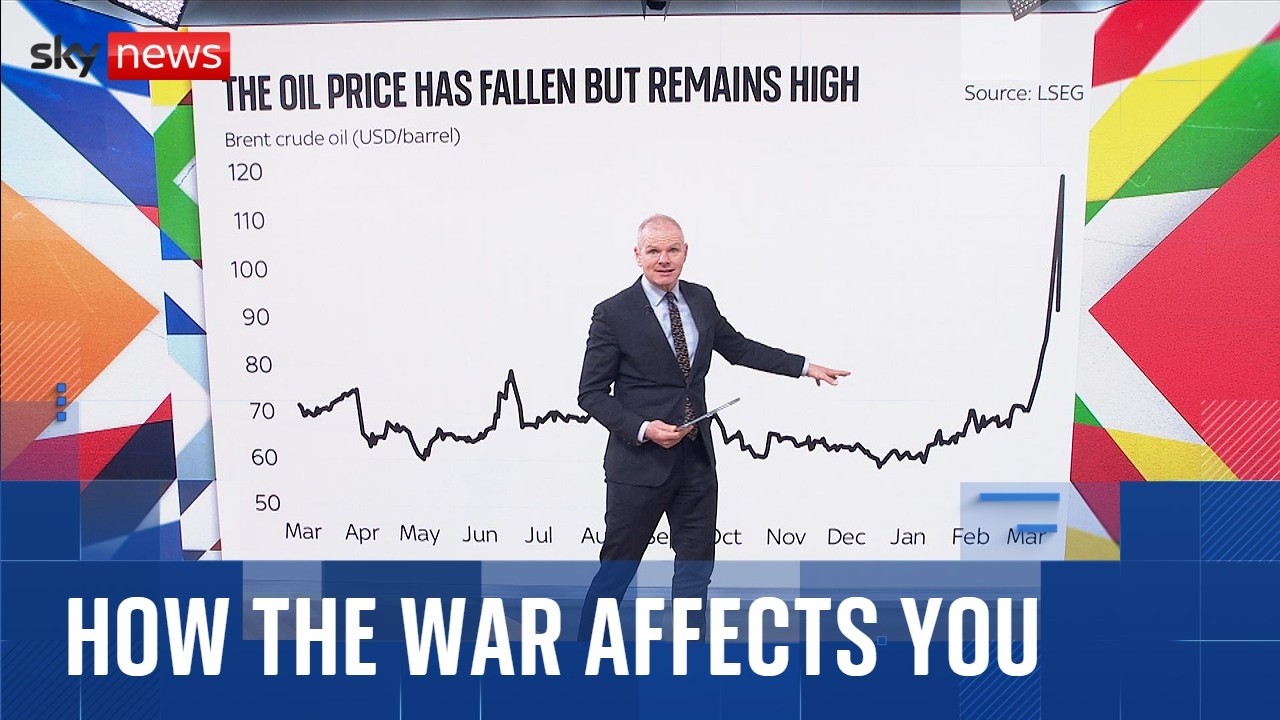
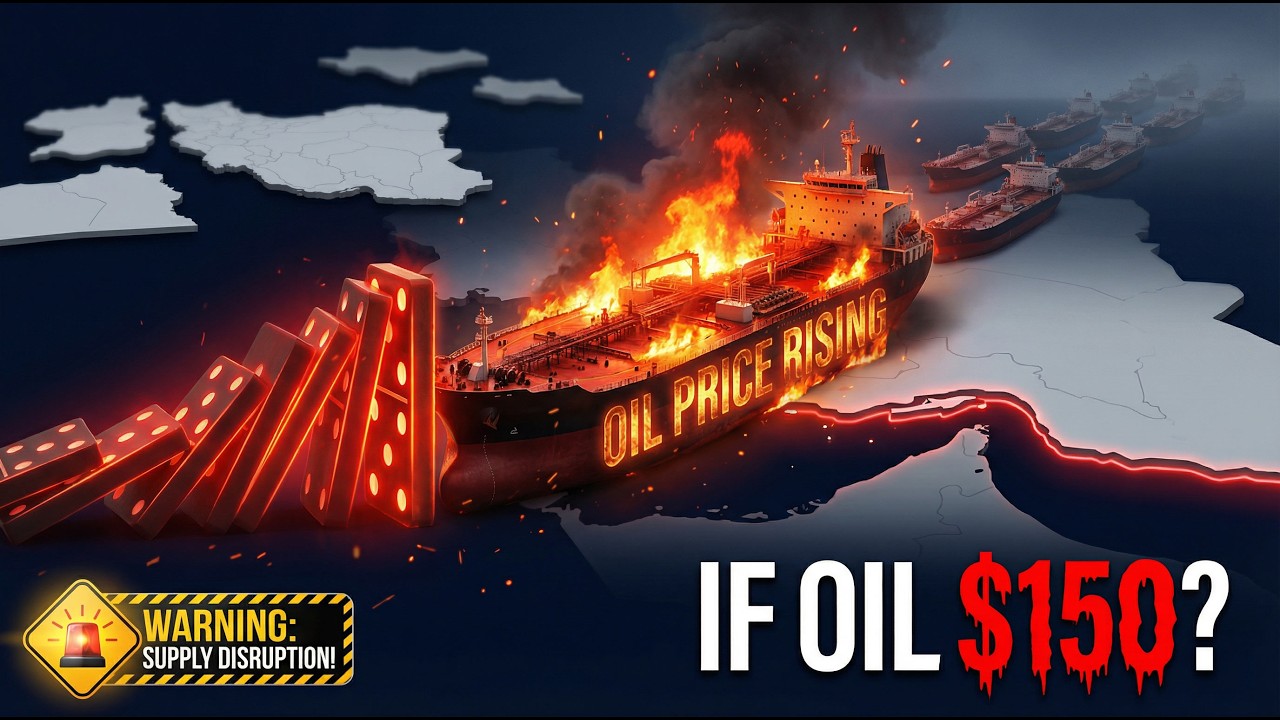
Oil Price Shock: Potential $150–$200 per barrel
Global Inflation Wave: Rising transport, food, and industrial costs
Slowing Global Trade: High logistics costs disrupt supply chains
5️⃣ Alternatives & Limitations
Some pipelines like Abu Dhabi–Fujairah and Red Sea routes exist.
Capacity is limited; they cannot fully replace Hormuz traffic.
Asia is most vulnerable due to high dependence on Middle Eastern oil.
6️⃣ Military & Financial Risks
Hürmüz Boğazı is also a major military flashpoint.
Prolonged closure could trigger:
Naval confrontations
Escorted tanker convoys
Mine-clearing operations
Financial markets respond rapidly with:
Stock volatility
Rising energy shares
Safe-haven asset demand (e.g., gold)
7️⃣ Conclusion: A Global Stress Test
21 days is the critical threshold where energy, trade, finance, and military tensions intersect.
The Strait of Hormuz demonstrates the fragility of a global economy dependent on a single chokepoint.
Beyond oil, the closure tests the resilience of modern global infrastructure and markets.
⚡ Hashtags
#StraitOfHormuz #GlobalEnergyCrisis #OilPrices #MiddleEastTensions #EconomicImpact
Повторяем попытку...

Доступные форматы для скачивания:
Скачать видео
-
Информация по загрузке: