Ball Position
Автор: BioMech Golf
Загружено: 2017-09-27
Просмотров: 4580
Описание:
Traditional putting instructs the golfer to bend over, move their arms away from the body—causing them to work independently of the major controlling muscles of the body’s core; keep the core stiff; and perform the putting stroke with the twitchy little muscles in the arms and hands. We shouldn’t even call what most golfers make a putting “stroke.” It’s really a massive isometric contraction (a giant spasm) that causes fatigue because the muscles are tense, and attempts to coordinate the firing of billions of neurons and muscle fibers. Is it any wonder that putting frustrates so many people and so many have the “yips”?
It’s common sense that the closer you are to your tool—whether it’s a hammer, a piano, or a piece of sporting apparatus—the better you can control it. Look at a batter waiting for the pitch: His arms are close to his body; he isn’t extending his arms far away. Even in the golf swing, we’re taught to keep the arms close to the body during the motion. Everything we know tells us that when putting, standing closer to the ball should reduce error.
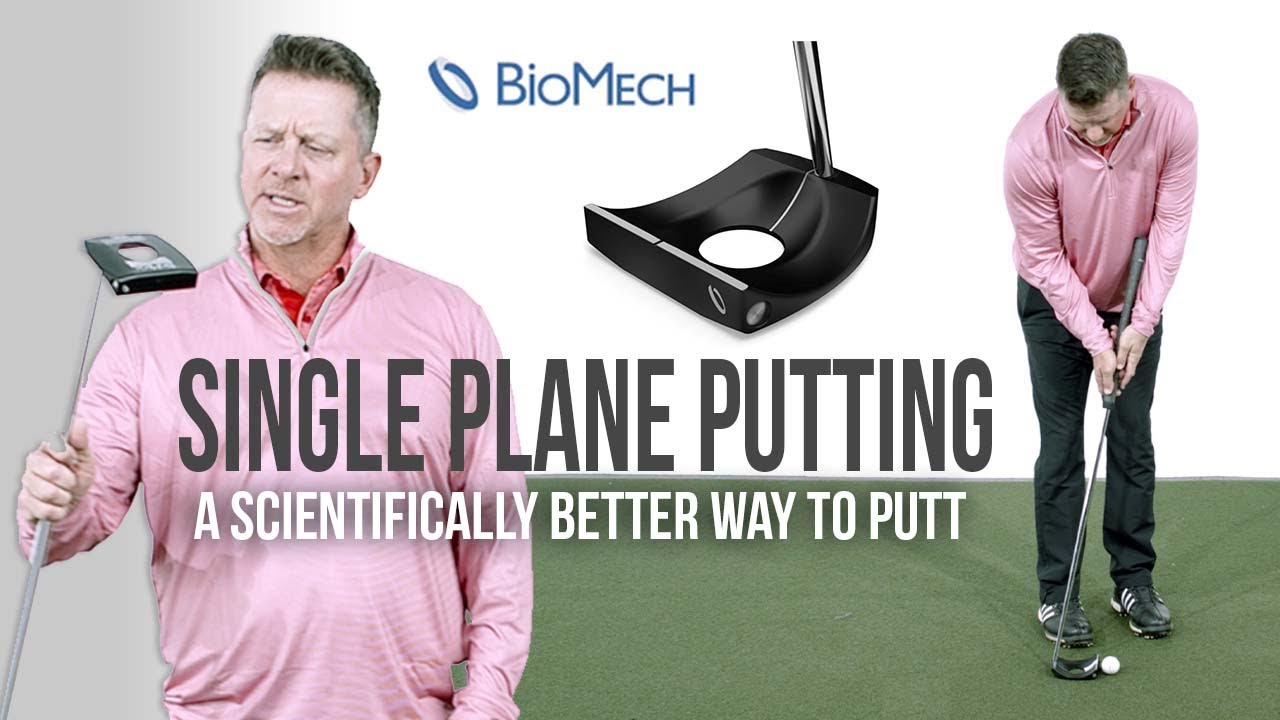
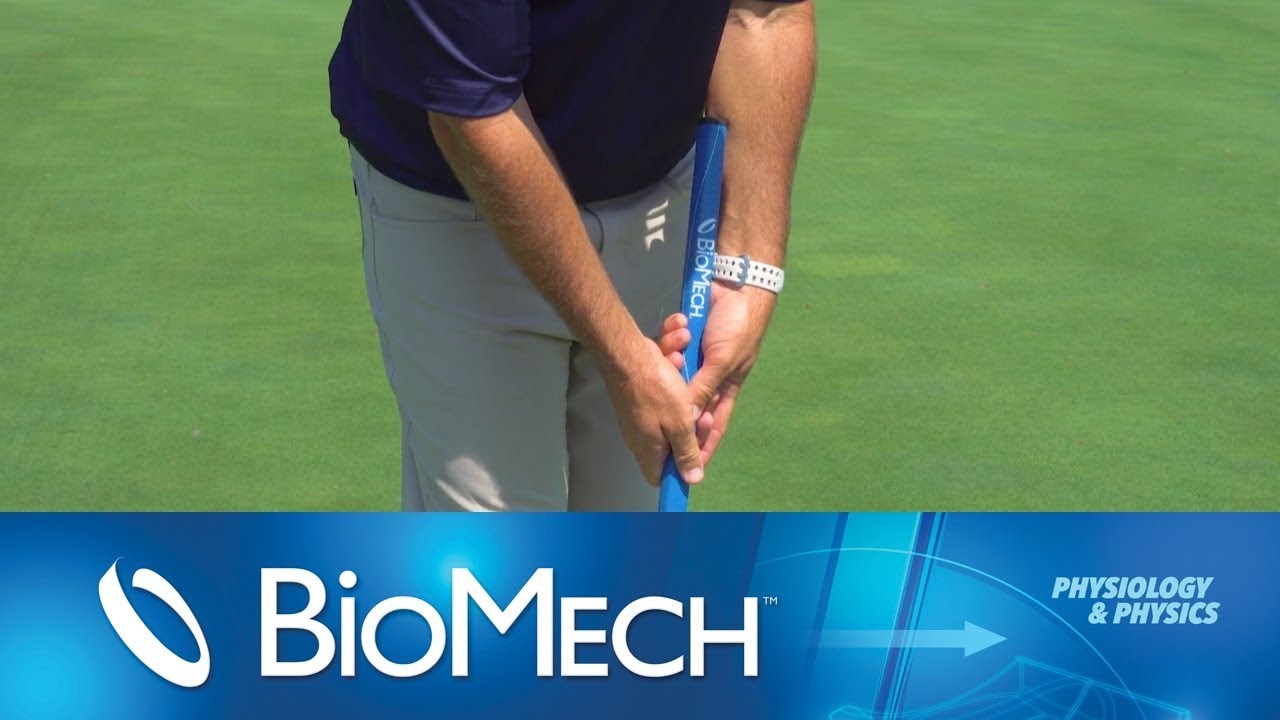
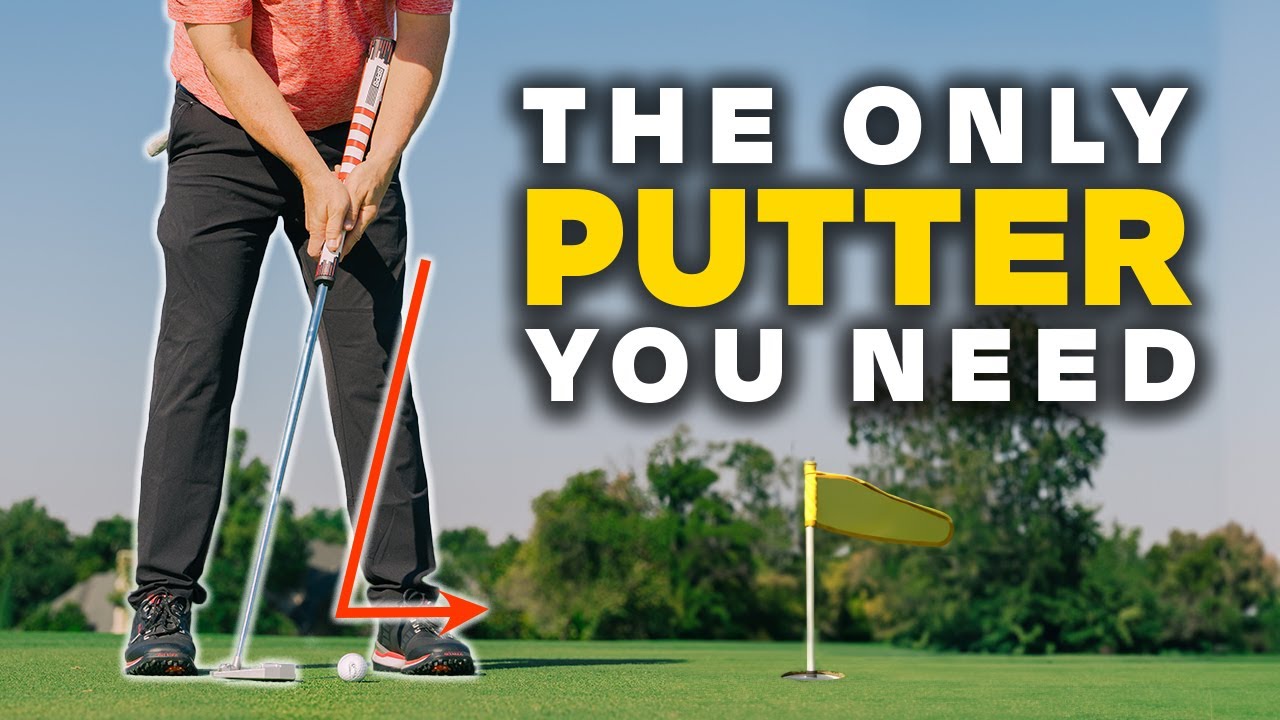
The proper stance—created by the length and lie angle of the putter’s shaft—sets the golfer in a comfortable, upright, balanced, natural athletic position. The putter head is flat on the ground, the top of the grip rests against the inside of the front forearm, the shoulders are tilted at a roughly 12-degree angle (front shoulder higher than back), and the body is slightly open, which allows the golfer to comfortably and efficiently look down the target line with the ball positioned near the toe of the trailing foot in line with the center of the golfer’s upper body and also permits proper back and through rotation.
Повторяем попытку...

Доступные форматы для скачивания:
Скачать видео
-
Информация по загрузке: