Demand for rare elements used in clean energy could help clean up abandoned coal mines in Appalachia
Автор: AP Archive
Загружено: 2024-07-16
Просмотров: 237
Описание:
(11 Jul 2024)
RESTRICTION SUMMARY:
++VIDEO AND AUDIO AS INCOMING++
ASSOCIATED PRESS
Bismarck, West Virginia - 25 June 2024
1. Wide of rare Earth extraction plant
2. Various of mine drainage
3. Close up a concentrate of minerals extracted from acid mine drainage
4. Various of the pilot project facility
5. Close up of rare earth mineral oxides
6. SOUNDBITE (English) Paul Ziemkiewicz, University of West Virginia:
"As you can see today, we're already producing very high grade, 95% purity mixed rare Earth oxides at this plant. This plant has been for running for a year and a half. We didn't take any new permitting to put this plant in operation. In fact, we're operating under the existing permits in that state, that the federal government required, Clean Water Act permits and the other permits. So you can go into production tomorrow with this kind of technology, literally."
7. Wide of water in the clarifier pool
8. Various of refining tanks
9. SOUNDBITE (English) Paul Ziemkiewicz, University of West Virginia:
"So we need incentives out there for people to turn their existing acid mine drainage treatment plant into this technology that will produce our rare-earth feedstock. "
10. Exterior of plant '
11. Wide of hill
STORYLINE:
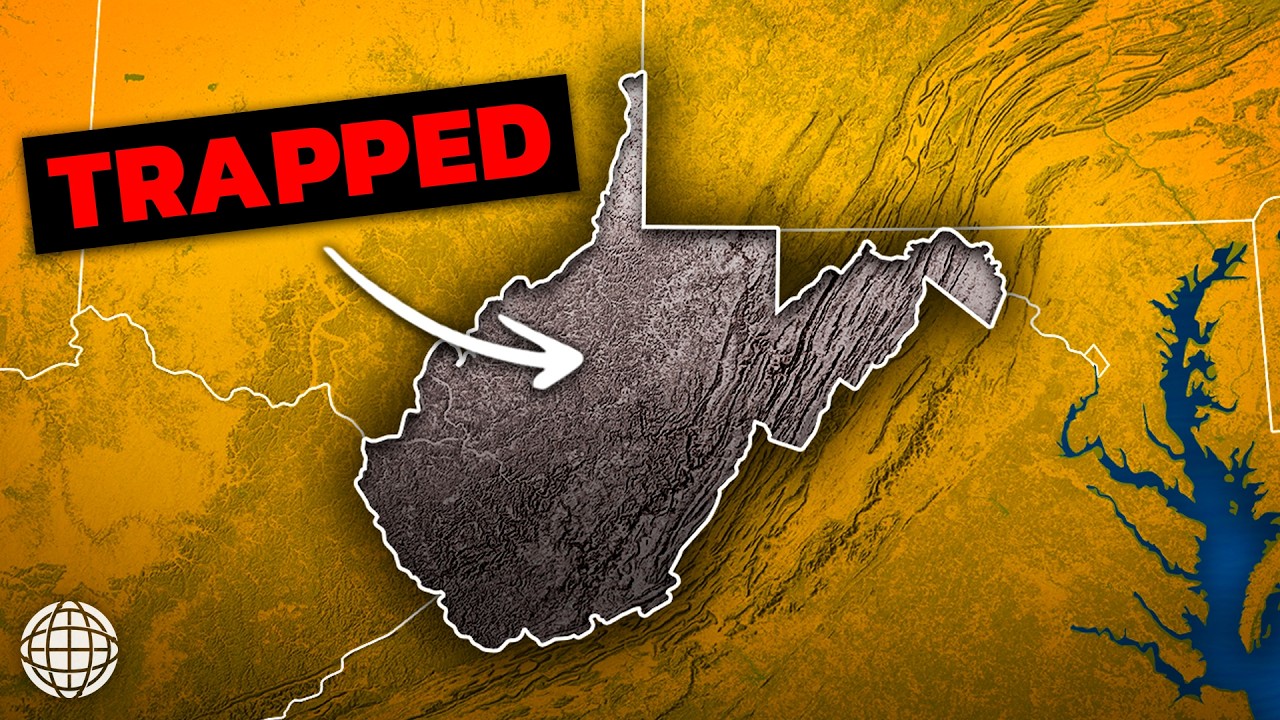
Down a long gravel road, tucked into the hills in West Virginia, is a low-slung building where researchers are extracting essential elements for the nation's energy future from an old coal mine.
They aren't mining the coal that produces planet-warming greenhouse gases and that powered the steel mills and locomotives that helped build America.
Rather, researchers are finding that water pouring out of this and other abandoned coal mines contains the rare earth elements that are so valuable for making everything from electric vehicle batteries to fighter jets smaller, lighter or more powerful.
The pilot project run by the University of West Virginia is now part of an intensifying worldwide race to develop a secure valuable supply of rare earth elements and metals. With more federal funding, it could expand to a commercial scale.
Paul Ziemkiewicz began the mine drainage project almost a decade ago, helped by federal subsidies. He had envisioned it as a way to treat runoff, recover critical minerals and raise money for more mine cleanups in West Virginia.
But the Biden administration's ambitious funding for clean energy and a domestic supply of critical minerals broadened that goal.
At the facility, drainage from a one-time coal mine — now closed and covered by a grassy slope — emerges from two pipes, and dumps about 800 gallons per minute into a retention pond.
From there the water is routed through massive indoor pools and a series of large tanks that, with the help of lime to lower the acidity, separate out most of the silicate, iron and aluminum. That produces a pale powdery concentrate that is about 95% rare earth oxides, plus water clean enough to return to a nearby creek.
The technology that has been piloted at this facility in West Virginia could also pioneer a way to clean up vast amounts of coal mine waste that poisons waterways across Appalachia.
The project is one of the leading efforts by the federal government as it injects more money than ever into recovering rare earth elements to expand renewable energies and fight climate change by reducing planet-warming greenhouse gas emissions.
For the U.S., which like the rest of the West is beholden to a Chinese-controlled supply of these valuable metals, the pursuit of rare earth elements is also a national security priority.
AP Video by Marc Levy
Find out more about AP Archive: http://www.aparchive.com/HowWeWork
Twitter: / ap_archive
Facebook: / aparchives
Instagram: / apnews
You can license this story through AP Archive: http://www.aparchive.com/metadata/you...
Повторяем попытку...

Доступные форматы для скачивания:
Скачать видео
-
Информация по загрузке: