Nuclear deterrence and taboo? | Janina Dill
Загружено: 2025-09-28
Просмотров: 75
Описание:
Nuclear weapons were used twice against the Japanese cities of Hiroshima and Nagasaki by the United States in the closing days of World War II. We want to explain why that is still the only time that nuclear weapons have been used in armed conflict.
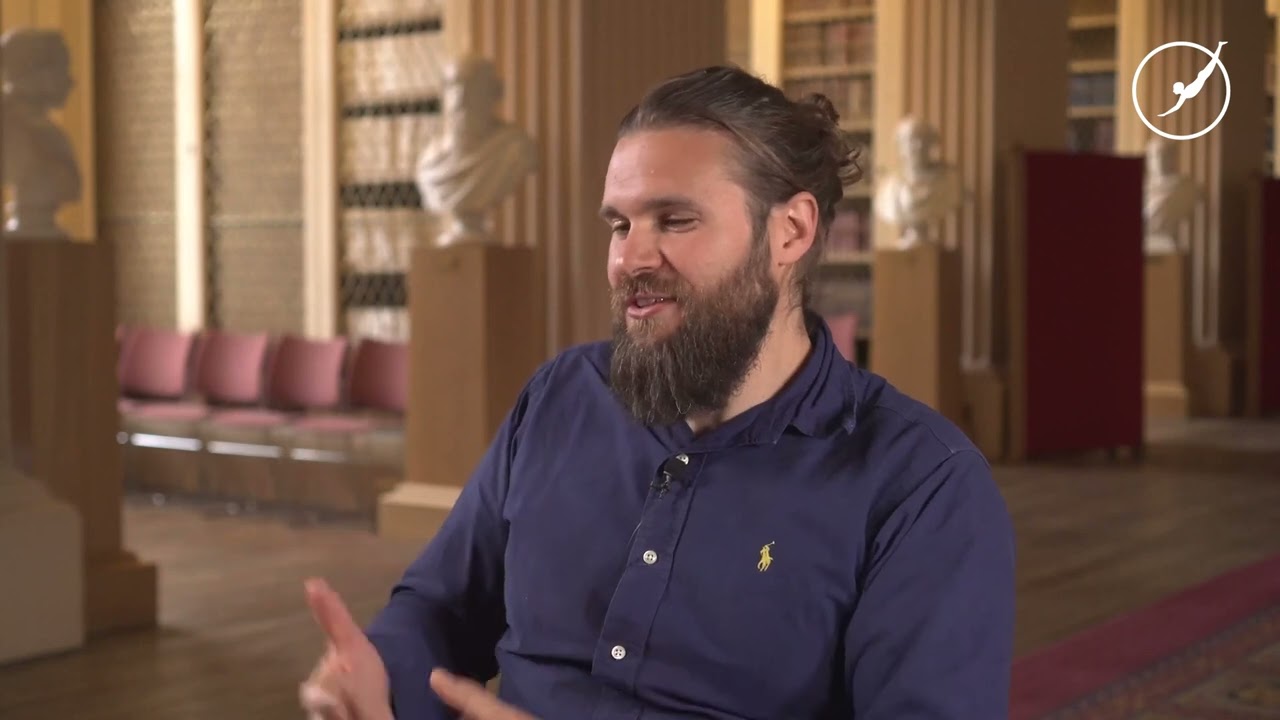
About Janina Dill
"I am the Dame Louise Richardson Chair in Global Security at the Blavatnik School of Government of the University of Oxford. I am also a Fellow at Trinity College and Co-Director of the Oxford Institute for Ethics, Law, and Armed Conflict (ELAC). My research concerns the role of law and morality in international relations, specifically in war. I focus on three strands of work. I am a 2021 Philip Leverhulme Prize Winner.
First, I write about the legal requirements for the conduct of military operations, speaking to debates on International Law on the use of force and International Humanitarian Law. Second, I develop theories about how international law can be an instrument of morality in war, albeit an imperfect one. This work contributes to debates in just war theory and jurisprudence. Third, I seek to explain how moral and legal norms affect the reality of war. I investigate the capacity of law to constrain military decision-making, how norms shape public opinion and the attitudes of conflict-affected populations i.e. in Afghanistan, Ukraine and Iraq."
Key Points
• Deterrence is the dominant explanation for why we haven't seen the use of a nuclear weapon in armed conflict since 1945. An additional factor that some scholars argue we should take into account is the idea of a nuclear taboo.
• Surveys show different publics prefer conventional force but will support nuclear use if it promises better outcomes. That is not the structure of public opinion that we would expect if there was a nuclear taboo.
• Countervalue targeting – the use of nuclear weapons against civilian populations – is illegal under international law, and even counterforce plans face serious necessity and proportionality issues; by today’s standards Hiroshima and Nagasaki would be unlawful.
• Deterrence alone is not enough to minimize the risk of nuclear escalation. A multi-pronged approach of public education, stronger safeguards and measured deterrence is required, since the biggest risk for nuclear use is either escalation from an ongoing armed conflict or a mistake.
Повторяем попытку...

Доступные форматы для скачивания:
Скачать видео
-
Информация по загрузке: