#kamdhenu
Автор: Dr. Neelu Jainn
Загружено: 2026-01-25
Просмотров: 49
Описание:
The Kamdhenu cow is a revered, divine concept in Hinduism, not a specific biological breed. It is considered the mother of all cows and a wish-fulfilling celestial being. When people refer to a "Kamdhenu cow" in a physical context, they are usually describing an indigenous Indian cow that exhibits a specific set of rare, auspicious characteristics as described in ancient scriptures like the *"Gomay Shilpa Shastra"* or *"Sushrut Samhita."*
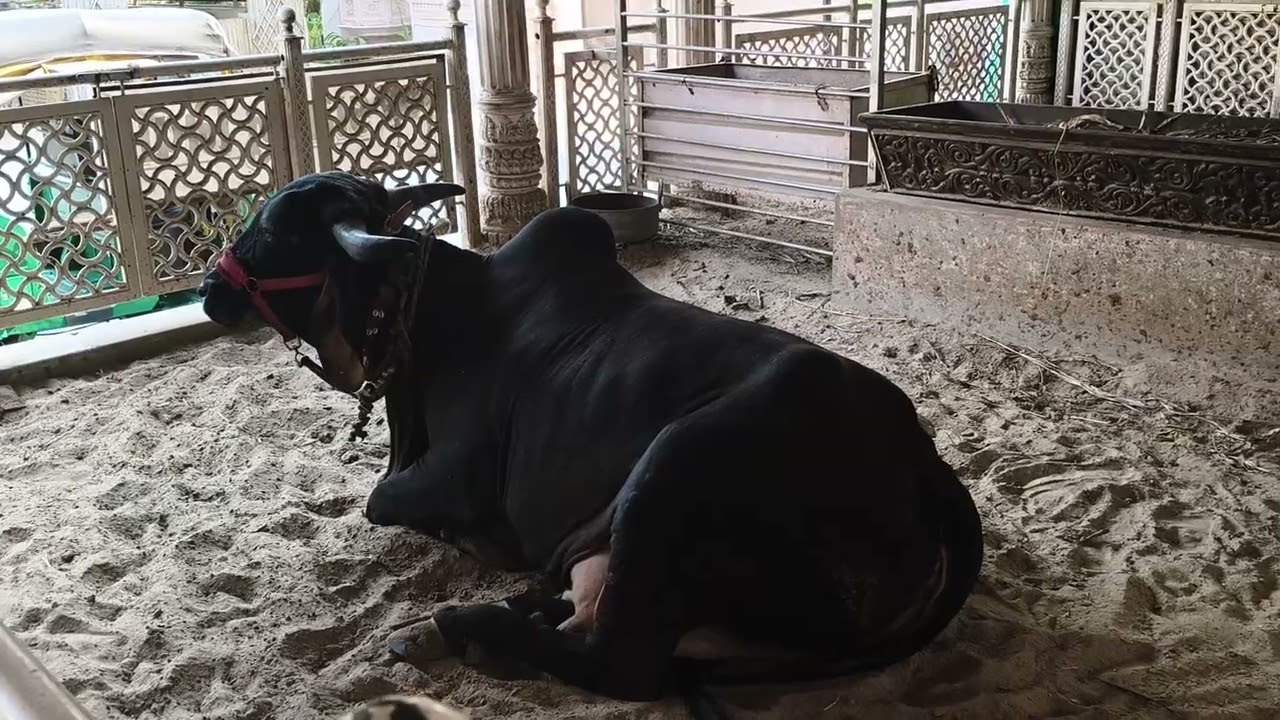
Finding a cow that possesses all these features is exceptionally rare. The claim that such a cow with *six specific features* is present at *Shankeshwar Tirth* (a major Jain pilgrimage site in Gujarat, near the ancient Shankheshwar Parshwanath Temple) would be considered a divine and miraculous occurrence.
Based on the scriptural descriptions, here are the **six classic features of a Kamdhenu cow**, explained in detail, and why their collective presence in one animal in Shankeshwar is considered extraordinarily rare in India:
---
*The Six Auspicious Features (Lakshanas) of a Kamdhenu Cow:*
1. *Swastik Mark on the Forehead:*
*Detail:* A naturally formed, clear *Swastik symbol* (a sacred Hindu and Jain symbol of well-being and good fortune) made of twisted hairs on the forehead, between the horns.
*Significance:* It is believed to radiate positive energy, protect the surroundings from negative forces, and bring prosperity. Finding this perfect, natural symbol is in itself very uncommon.
2. *Chakra (Disc) Mark on the Shoulders:*
*Detail:* One or more circular patterns resembling a *Sudarshan Chakra* (the discus of Lord Vishnu) or a lotus, formed by the hair whorls on the shoulders.
*Significance:* Represents divine protection, dharma, and the removal of obstacles. The clarity and placement of the chakra are crucial for it to be considered authentic.
3. *Flag (Dhvaja) Mark on the Back:*
*Detail:* A distinct, raised line of hair running along the spine, from the neck to the tail, resembling a **flagpole**. Sometimes, triangular hair patterns resembling flags are seen on the sides.
*Significance:* Symbolizes victory, high energy, and royal or divine stature. It is said to enhance the cow's vitality and the potency of its products (panchgavya).
4. *Conch (Shankh) Mark on the Neck:*
*Detail:* Whorls or patterns of hair on the dewlap (the loose skin under the neck) that resemble a **conch shell (Shankh)**.
*Significance:* The conch is a sacred symbol of purity, auspicious beginnings, and the divine sound 'Om'. It signifies that the cow's very presence sanctifies the environment.
5. *Trident (Trishul) Mark on the Body:*
*Detail:* Hair patterns that form the shape of a **trident**, often found on the hump or the sides. The trident is the weapon of Lord Shiva.
*Significance:* Represents the power to destroy negativity (ignorance, ego, attachment) and bestow spiritual strength. Its presence is considered a strong protective sign.
6. *Lotus (Kamal) Mark on the Udder:*
*Detail:* The teats of the udder are arranged in a pattern that resembles a **lotus flower**. The lotus symbolizes purity, fertility, wealth, and spiritual enlightenment.
*Significance:* It indicates that the milk and other products from this cow are of the highest purity and have enhanced medicinal and spiritual properties.
---
*Why This is Considered Rare in India:*
*Genetic Rarity:* These are not breed-specific traits but spontaneous, natural formations of hair whorls and skin patterns. For all six to manifest perfectly on a single cow is an extreme genetic rarity.
*Scriptural Ideal:* The "Kamdhenu" with these marks is a scriptural ideal. Most indigenous breeds (like Gir, Sahiwal, Tharparkar) may exhibit one or two of these features occasionally, but a full set is legendary.
*Modern Breeding Neglect:* With the focus shifting to cross-breeding for higher milk yield, the preservation and observation of these traditional, symbolic characteristics have declined significantly.
*Divine Significance:* In Hindu and Jain traditions, the birth of such a cow is considered a *divine event* and an omen of great spiritual merit and prosperity for the land. Its presence at a major *Tirth* (pilgrimage site) like Shankeshwar is interpreted as a living blessing and a validation of the site's sanctity.
*Context of Shankeshwar (Shankheshwar):*
Shankeshwar is a paramount **Jain pilgrimage center**, famous for the **Shankheshwar Parshwanath Jain Temple**. The name itself derives from "Shankh" (conch). The reported presence of a cow with a conch mark and the other features here would have profound symbolic resonance #shankeshwar
Повторяем попытку...
Доступные форматы для скачивания:
Скачать видео
-
Информация по загрузке: