P119F Deterioration Of The Engine Oil Caused By DPF
Автор: O'Rileys Autos
Загружено: 2024-12-05
Просмотров: 15339
Описание:
Understanding P119F Deterioration of the Engine Oil: Causes and Solutions
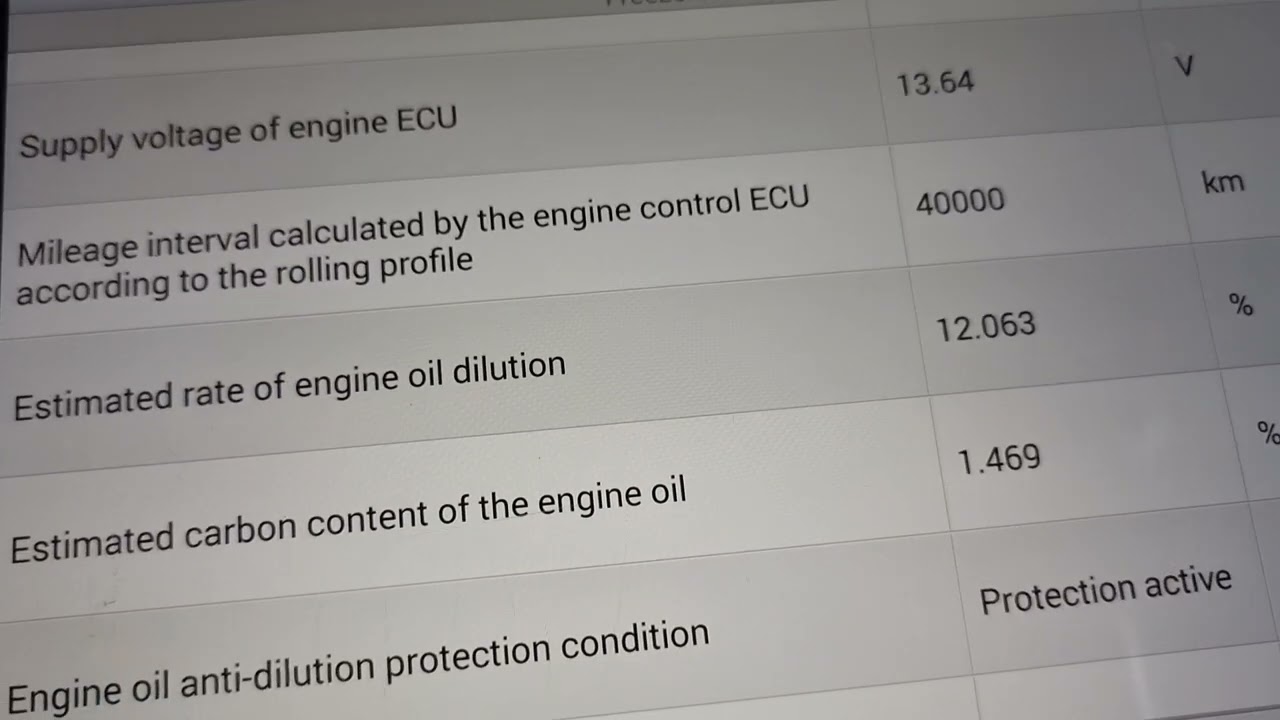
If you've been having a recurring problem with your van's engine, specifically oil dilution and constant regenerations, you’re not alone. Many owners of the Vauxhall Vivaro, Citroen Dispatch, Peugeot Expert, and similar vans are facing the same issues. This blog post will walk through the diagnosis of a P119F code—Deterioration of the Engine Oil. We’ll explain what might be causing the oil contamination and the repeated diesel particulate filter (DPF) regeneration cycles.
Let’s start by breaking down the process that leads to this issue.
The Issue: P119F and Oil Dilution
The primary complaint with this code is a pattern of increasing and dropping RPMs, as well as oil dilution. You might have already changed your oil several times, only to be told each time that your oil is getting contaminated again after just a few months. This happens because diesel is getting into the oil—not a huge amount at once, but small amounts repeatedly due to frequent regenerations of the DPF.
So, what exactly is going on here?
What Causes Frequent Regeneration?
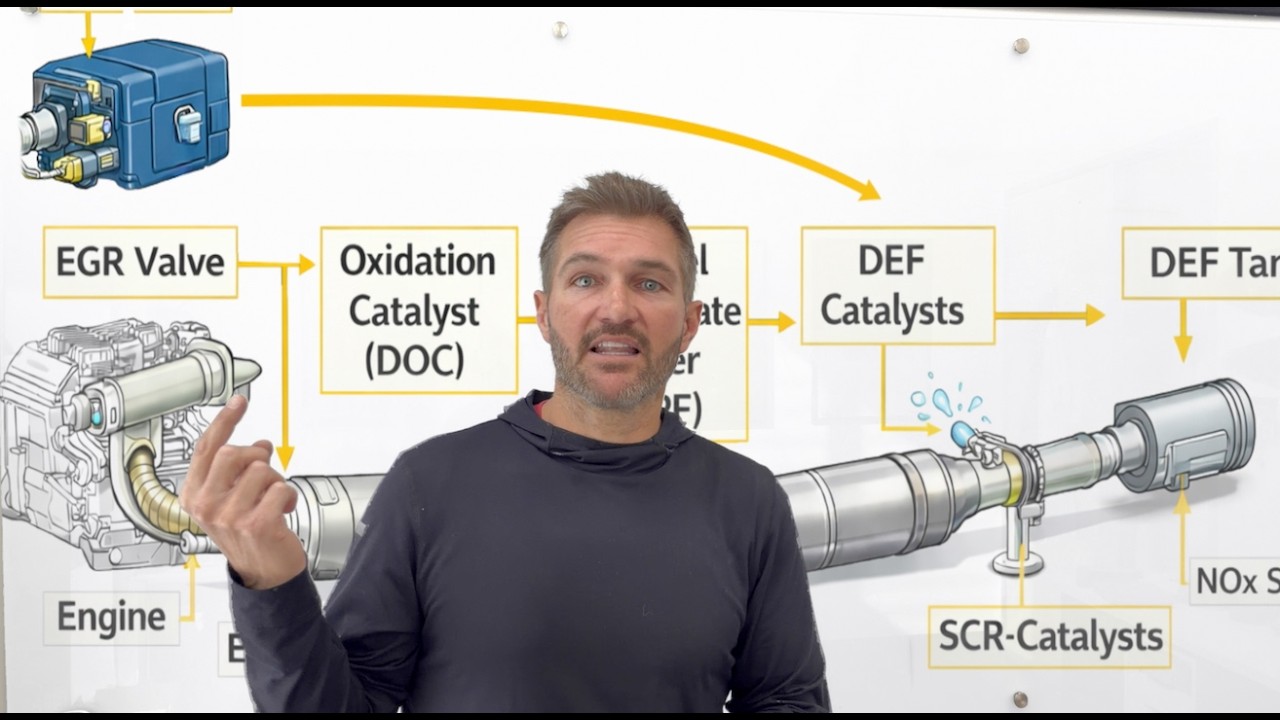
One possible cause is a blocked or damaged DPF. The DPF's job is to capture and store soot from the engine so it doesn’t get released into the environment. About every 500 miles or so of normal driving, the van should trigger a regeneration process to burn off that excess soot. But what happens when the DPF is damaged? It causes the system to try regenerating far too often, and the diesel used in regeneration begins to leak into your engine oil. Over time, this leads to your dreaded oil dilution.
Diagnosing the Problem
We ran a diagnostic scan and noticed the P119F code popping up—this is the usual indicator that your engine oil is deteriorating. When scanning the system, the data shows that the distance between regens was only 24 km. Usually, as I mentioned before, these vans should regenerate every few hundred miles.
What’s more, when monitoring the pressure inside the DPF, we saw a reading of 13 millibars. This is a pretty clear sign that the filter is blocked, as healthy readings would typically be much lower. Keep in mind, this particular van has only travelled about 50,000 miles, so excessive soot buildup or another underlying problem must be in play.
What Happens During Regeneration?
Let’s clear up a common misconception: it’s not that failed regenerations dump litres of diesel into the oil. Rather, during repeated regenerations, small amounts of fuel make their way into the oil each time. In a normal cycle, this happens only once every 500 miles or so, and the engine oil is changed every 10,000 miles, resetting things during your service.
But if the van is regenerating every 24 km, then by the time it’s clocked 1000 miles, it’s done 50 regenerations. That’s 50 small doses of diesel ending up in the engine’s oil. Over time, all those tiny bits of fuel add up, leading to dilution and contamination of your oil.
Ash Buildup or DPF Fault?
From what we’ve seen, there are two primary reasons your DPF may be regenerating too often:
1. High Mileage and Ash Build-Up: If your van has clocked 120,000 miles or more, it’s possible the DPF is full of ash, which is different from soot. Ash builds up over time and can't be burned off during regen. It’s permanent and blocks your DPF, causing more frequent regens.
2. Low Mileage and Damaged DPF: For vans with fewer miles (like this example with 50,000 miles), a fault may have caused excessive soot buildup. In some cases, forced regeneration might have been run, but if done improperly or with an already damaged DPF, this can melt or further damage the filter.
Testing the DPF Pressure
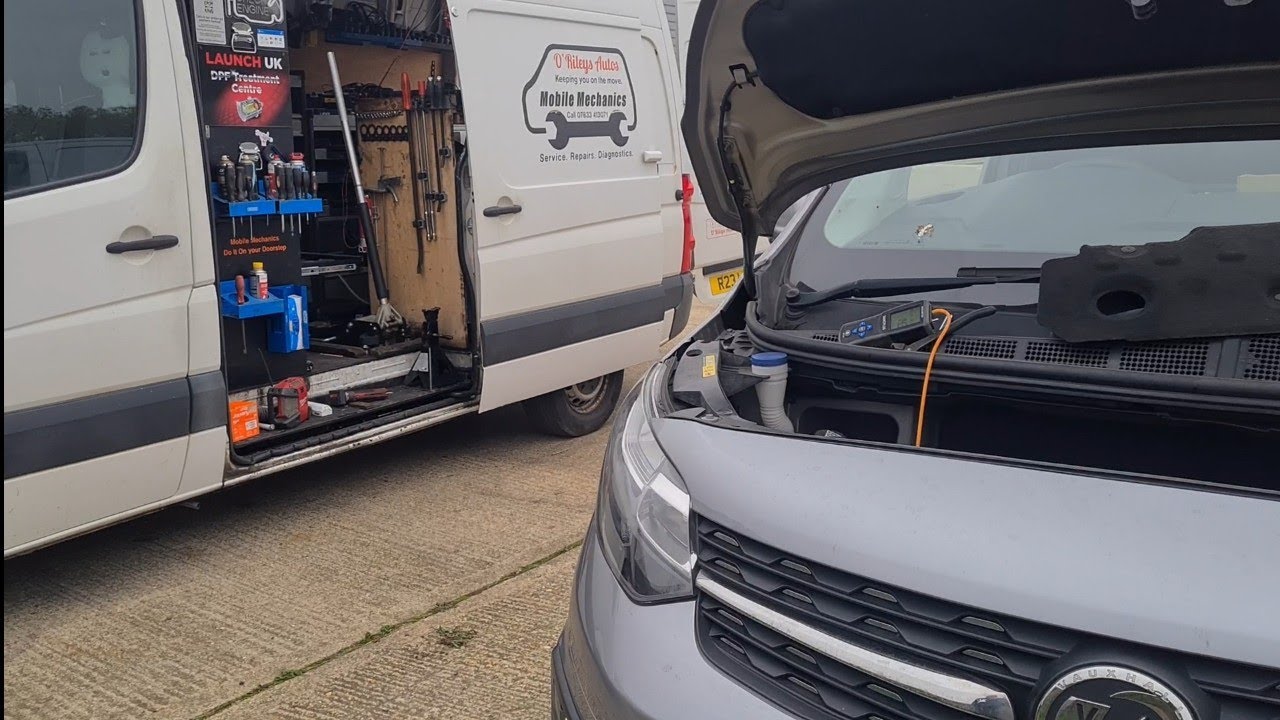
To confirm the diagnosis, we connected a digital manometer to measure the DPF pressure directly. It showed a 13.8 millibar reading, perfectly matching what we saw on our diagnostic equipment. This tells us that the sensor isn't faulty—a high pressure reading means there’s definitely a problem inside the DPF.
Unfortunately, this leaves us with one likely solution: replacing the DPF. Cleaning the DPF would likely be a waste of time, especially if the van is regenerating this often, and the pressure is staying high regardless.
Conclusion: The Only Real Fix
If your van is showing the P119F deterioration of the engine oil fault and keeps diluting the oil or increasing RPMs, then the root cause is most likely a blocked or damaged DPF. With data showing frequent regenerations every 20 to 25 km, and direct readings confirming high pressures, it’s a sign that it’s time to replace the DPF.
A damaged DPF affects both performance and fuel economy, and it leads to oil contamination that can harm your engine over time.
Thanks for reading this, and I hope it clarifies why you might be facing that pesky P119F error. Your local mechanic can run the same tests to confirm whether replacing the DPF is necessary.
Повторяем попытку...
Доступные форматы для скачивания:
Скачать видео
-
Информация по загрузке: