Condor Canyon, Nevada
Автор: John Wilkinson
Загружено: 2026-02-14
Просмотров: 2
Описание:
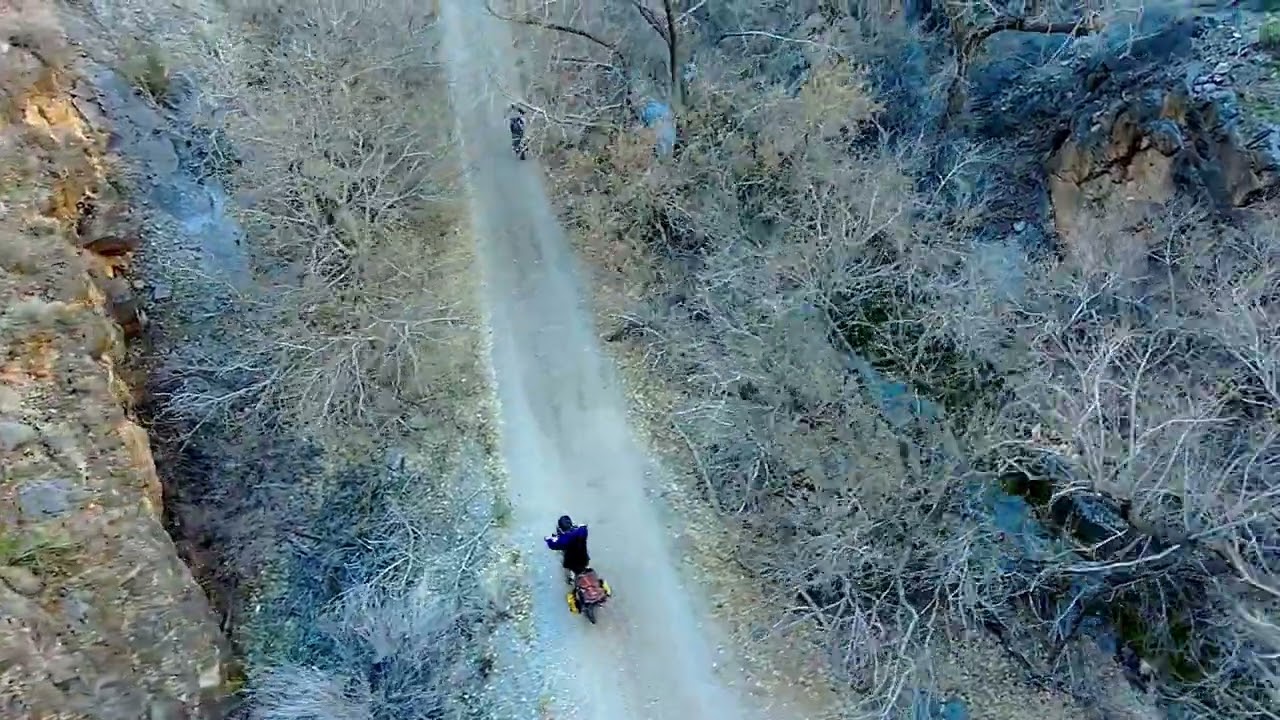
Condor Canyon, located just northeast of Panaca in Lincoln County, Nevada, is a site where natural geology, prehistoric art, and pioneer history converge. Its history spans thousands of years, from its time as a hub for indigenous cultures to its role in the development of Nevada's early infrastructure.
Prehistoric Significance
The canyon is a vital archaeological site that offers insight into the "Basketmaker" and "Puebloan" periods of the Great Basin.
Rock Art: The canyon walls feature approximately 50 prehistoric petroglyphs and pictographs. Many of these depict mountain sheep, which were a primary resource for the early inhabitants. Some figures show men on horseback, which archaeologists believe are more modern additions from post-European contact.
Cultural Crossroads: Excavations in nearby caves and shelters have revealed a 12,000-year history of occupation by the Fremont, Ancestral Puebloan, and later Paiute and Shoshone groups. Artifacts found in the area include yucca fiber sandals, woven baskets, and stone tools used for hunting megafauna.
Pioneer and Mining History
In the 19th century, Condor Canyon became a strategic corridor for the expansion of eastern Nevada.
The Mormon Influence: Nearby Panaca was founded in 1864 as a Mormon agricultural colony. The canyon and surrounding hills were heavily used by these settlers to cut timber, which was essential for building and fueling the nearby silver mines in Pioche.
+1
The Railroad Wars: The canyon’s narrow geography made it the center of a famous 1901 dispute between two railroad titans: E.H. Harriman (Union Pacific) and Senator William Clark. Both companies wanted the right-of-way through the canyon, which was only wide enough for a single set of tracks. The conflict escalated until local landowner William Culverwell famously settled the dispute—with a shotgun—by dictating which line could cross his property.
Infrastructure: The canyon eventually hosted a branch of the railroad that connected the mining district of Pioche to the main line in Caliente, facilitating the transport of silver ore during the region’s boom years.
Natural History and the "Condor" Name
While the "California Condor" is now a rare sight in Nevada, its history is etched into the landscape:
Ancient Range: Fossil records indicate that condors were widespread across Nevada during the Pleistocene Epoch.
The Name: The canyon takes its name from these birds, which historically used the high, craggy cliffs of Lincoln County for nesting. While the birds vanished from the area due to habitat loss and lead poisoning, recent reintroduction efforts in northern Arizona and southern Utah (at the Vermilion Cliffs) mean that condors are once again occasionally spotted in the skies of the Great Basin.
Повторяем попытку...
Доступные форматы для скачивания:
Скачать видео
-
Информация по загрузке: