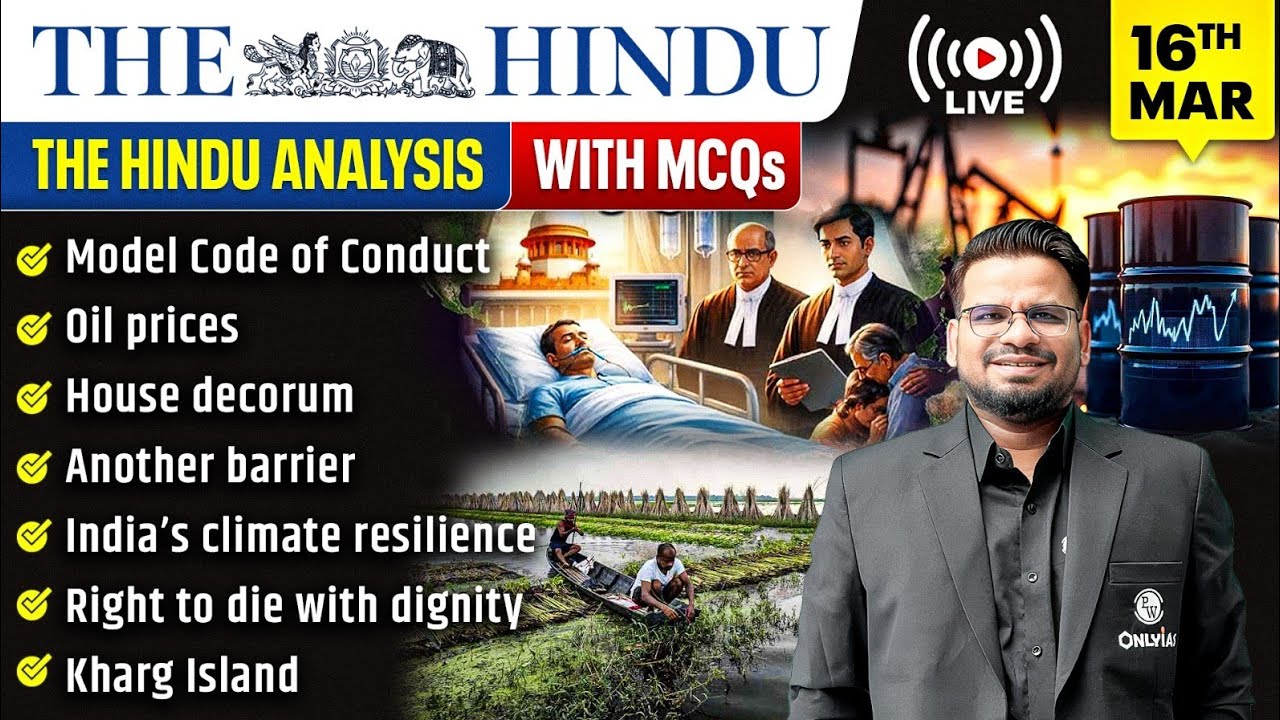
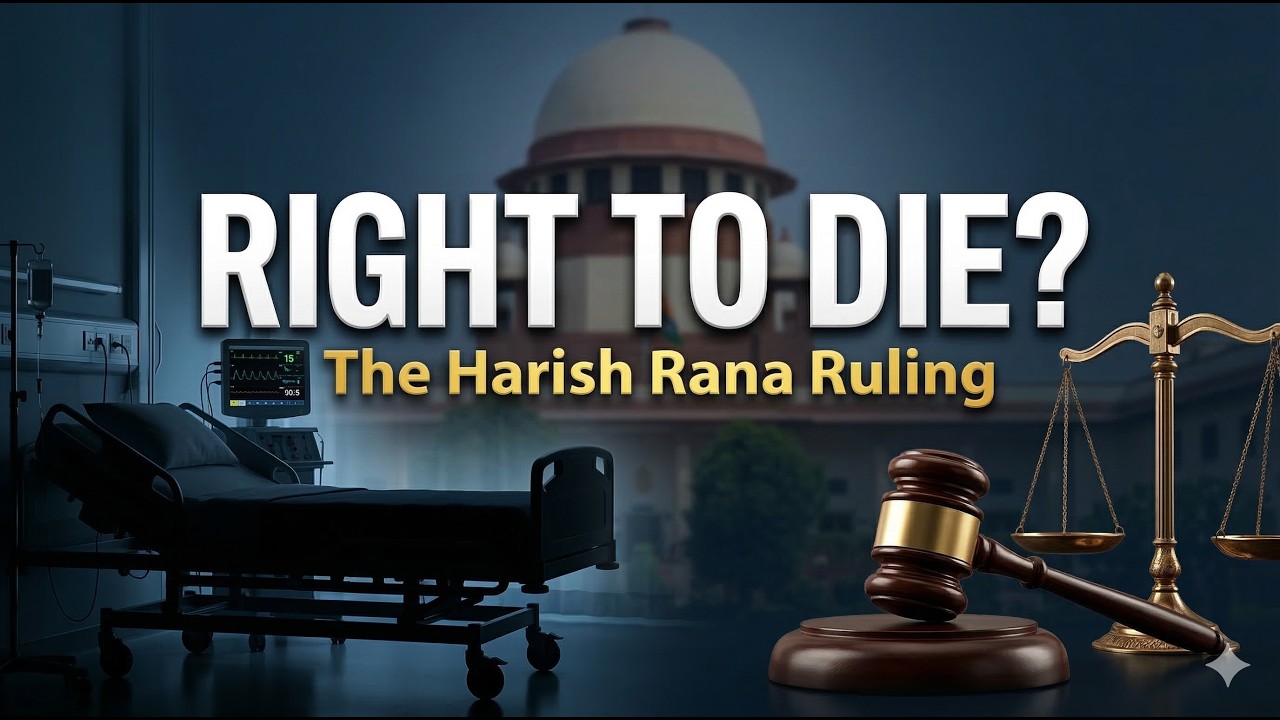
Why the Supreme Court Allowed Passive Euthanasia: The Harish Rana Case Explained
Автор: RONAK BHARGAV
Загружено: 2026-03-15
Просмотров: 8
Описание:
#supremecourtofindia #passiveeuthanasia #righttodie #HarishRanaCase #legalnewsindia #medicalethics #righttolife #article21 #livingwill #LawExplainer #upscpreparation
Right to Die with Dignity? India’s New Landmark Ruling on Passive Euthanasia.
Life vs. Dignity: Decoding the SC’s ‘Best Interests’ Test
From Aruna Shanbaug to Harish Rana: India’s 30-Year Fight for the Right to Die
Does the 'Right to Life' include the 'Right to die'?
In a landmark ruling, the Supreme Court of India recently allowed the withdrawal of life support for Harish Rana, who spent 13 years in a vegetative state. This video breaks down the historic decision that is reshaping Indian legal and medical ethics.
In this video, we cover:
The Harish Rana Case: Why treatment was declared "futile."
Active vs. Passive Euthanasia: The new "Source of Harm" test explained.
The 'Best Interests' Test: How courts decide when to stop treatment.
A 30-Year Legal Journey: From the 1996 Gian Kaur case to the latest 2024 guidelines.
Living Wills: What they are and how the SC simplified the process.
This isn't just a legal update; it's a shift from the "Sanctity of Life" to the "Dignity of Life."
📌 Timestamps:
0:00 Introduction
2:25The Core Ruling: Harish Rana Case
4:00 Active vs Passive: The Nuance
7:33 Defining 'Best Interests'
13:01 India's Legal Timeline (1996-2024)
16:30 Conclusion: What this means for you
Повторяем попытку...
Доступные форматы для скачивания:
Скачать видео
-
Информация по загрузке: