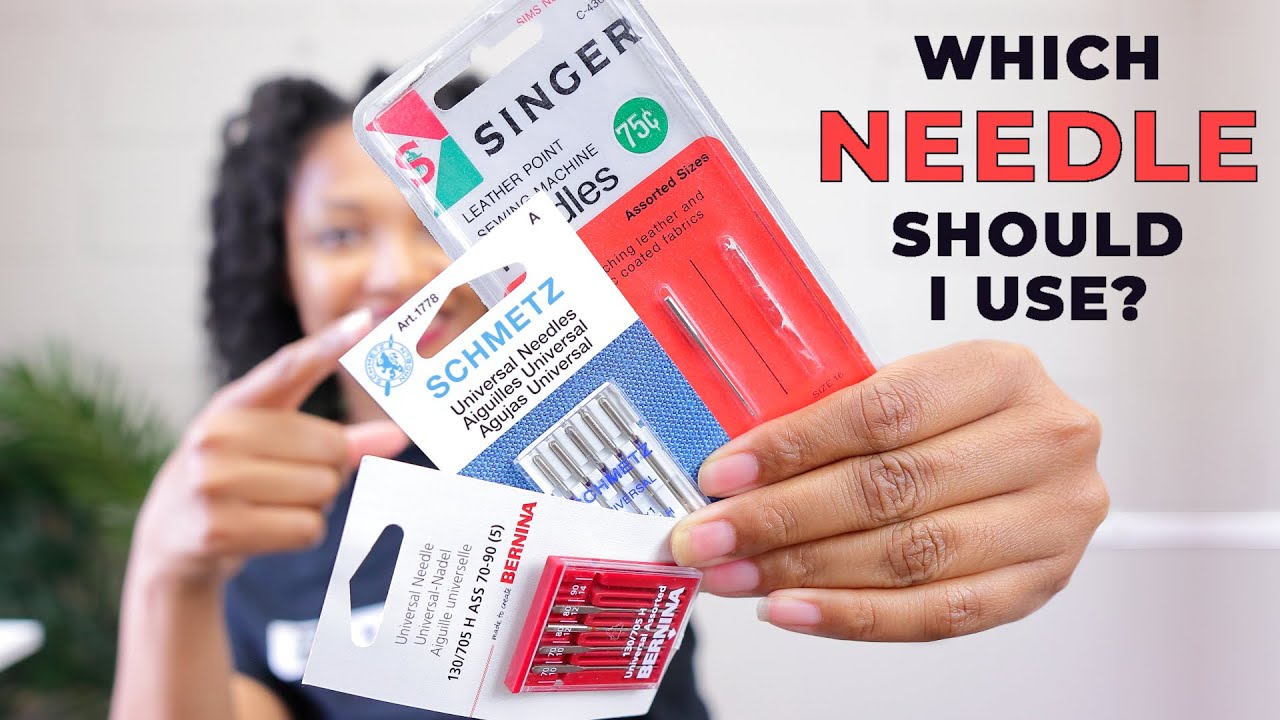
Embroidery Needle | Which Needle to Choose for Your Next Embroidery Job
Автор: ColDesi Inc
Загружено: 2017-11-21
Просмотров: 15568
Описание:
Embroidery Needle | Which Needle to Choose for your next embroidery job
More info here: https://colmanandcompany.com/Needles....
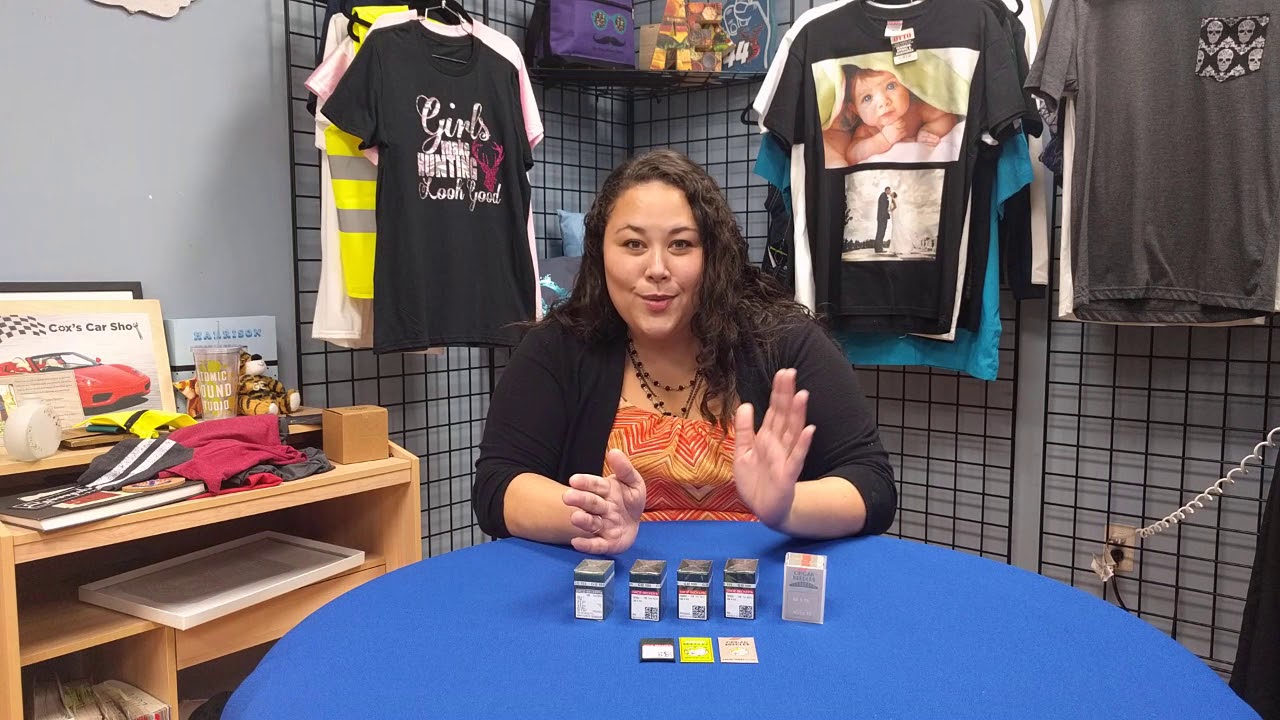
Lets Jump into the world of Needles. Here at Colman and Company we believe in customer education and carry an array of products to help you use the right supplies to make your custom apparel top quality. Whether you are looking to find items that can be used on many clothing items or are working with specialty products, we are sure to have the right tools for the job.
On our “How to Read Embroidery Needle Labels” video we went over how to read labels on the needle boxes and what you are looking for. In this video, we will discuss what you would use these items for in a little more detail. There are a lot of choices so let’s begin!
First, what brand of needles to choose? Well, this is completely a personal preference. Colman and Company has chosen to go with Groz-Becker Embroidery Needles and Organ Embroidery Needles because they provide an assortment of different needle applications and can help with difficult jobs like metallic thread, leather items, Teflon coated needles.
Second, should you buy chrome needles or titanium needles? This really would be determined with what you plan on sewing. If you sew heavier items or denser materials such as a lot of baseball caps or heavy denim or canvas, you might want to chose a titanium needle because it has added strength to help withstand heavier use. Some people choose titanium simply because they have a reduced number of needle breaks which saves them money from having to buy more needles in the long run. Essentially, you don’t HAVE to use titanium but you certainly could would benefit if you need the added strength! Otherwise, Chrome needles will do just fine for the majority of our embroidery work. Most people can’t tell the difference when using one versus the other– unless that item is more dense or thicker than usual.
Third, should you use sharp needles or ballpoint needles? Quite simply, if you can stretch the fabric use a ballpoint needle. If you cannot stretch the material you can use a sharp. To help you understand why - let’s consider the material you are sewing on. If you were to cut a small portion of the material you are intending sew on – and you try to stretch it – would the whole get larger? Does it fray? If it is a stretchy material the answer is likely yes. This is a problem because Sharp embroidery needles cut the fiber you sew as it embroiders. This will lead to fraying after your customer has worn and washed the item a few times. A Ball pint needle would be better because a ball point has a rounded tip that does not cut the fibers of your material but rather rolls in-between the threads. This would provide your customer with a higher quality embroidered product on a stretchy item. Save your Sharp needles for non-stretchy items like ball caps, many scrubs, towels or lab coats are a few examples of items that are not stretchy.
Fourth, what size needle should be used with my embroidery? Once again we will look at the item we are sewing on. If your material is thick and dense you need a needle that is strong enough to penetrate that material at a high speed. Consider seams and any areas that are thick that you will have to sew through. If the material is thicker then choose a thicker needle. On the opposite end f the spectrum a thinner needle would be used on thinner more delicate items. If you used a larger needle on these items (Like Silk and Lycra) you will see a large hole where the needle punctured through. To keep the delicate materials in good shape, use a smaller needle as to not destroy the material. You can also use smaller needles for micro fonts or to embroider small lettering.
Finally, you might wonder if your embroidery is going to need a specialty needle. There are a few different scenarios that are commonly known for choosing a needle for a specific task. The three most common are for metallic thread, Nnon-stick needles, and leather needles. For metallic thread – use a metallic eye needle since the eye is much larger and would provide extra clearance for the delicate metallic thread. The Non-Stick needle is Teflon coated so it will not gum up when used with adhesive sprays or peel and stick backings. The leather needles use a tri tip to easily pierce into the leather without causing unnecessary stretching and damage to the material.
Check out this link for a helpful reference guide to which needles and backings are suggested for different types of materials: https://colmanandcompany.com/blog/201...
GET TRAINED on how to start a custom t-shirt business with this new online course: https://customapparelstartups.com/pro...
Повторяем попытку...
Доступные форматы для скачивания:
Скачать видео
-
Информация по загрузке: