This WWII Food Storage Design Beat Refrigerators and Nobody Talks About It
Автор: Iron Age Instincts
Загружено: 2026-01-17
Просмотров: 1213
Описание:
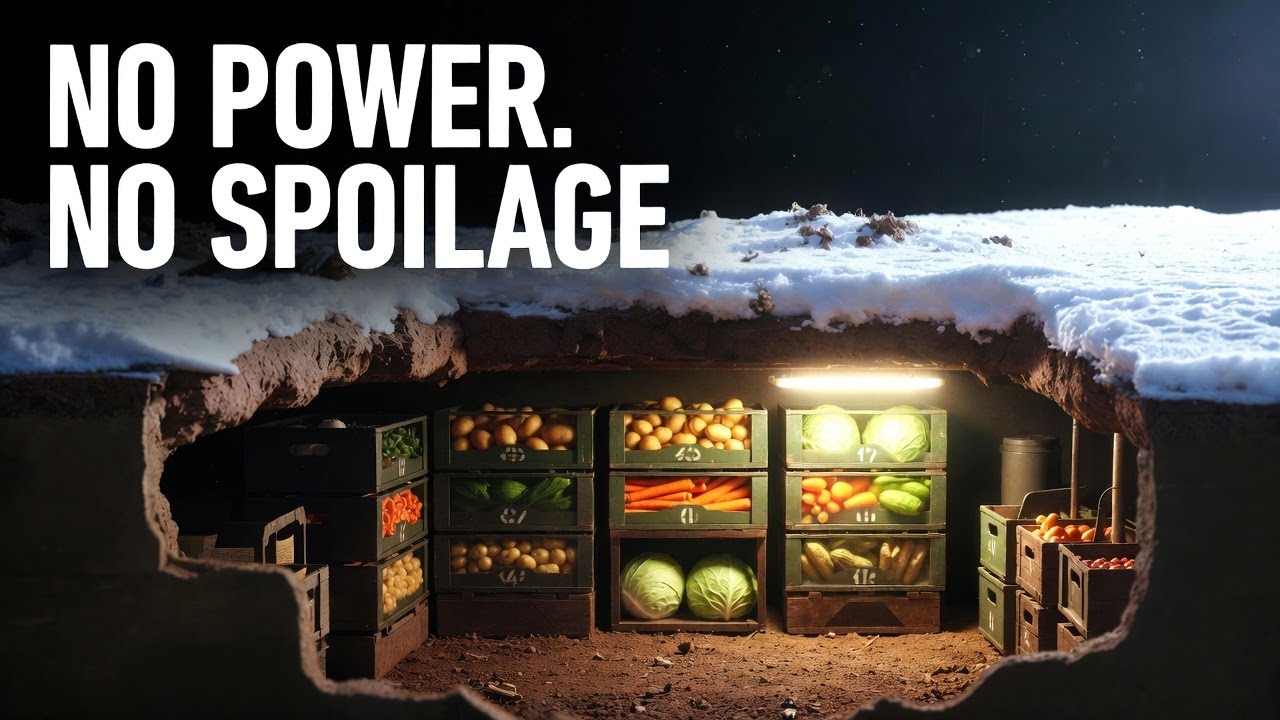
During World War II, millions of civilians faced brutal winters, food shortages, rationing, and unreliable electricity. Refrigerators were rare. Power cuts were common. Yet families across Europe managed to keep vegetables fresh for months without electricity, fuel, or modern technology.
In this video on Iron Age Instincts, we break down the forgotten WWII storage design that made it possible. This wasn’t guesswork or folklore. It was deliberate engineering based on soil temperature, airflow, humidity control, and underground insulation. Governments published manuals. Families built them with scrap materials. And the results were remarkable.
You’ll learn how WWII root cellars were redesigned for wartime conditions, why depth and ventilation mattered more than concrete, and how vegetables like potatoes, carrots, beets, cabbage, onions, and apples survived entire winters without refrigeration. We also explore how civilians adapted these designs in basements, hillsides, and even back gardens under bombing and rationing.
This isn’t nostalgia. This is practical history with modern relevance. The same principles used during WWII are still applied today by off-grid homesteaders, preparedness-minded families, and survivalists who understand how fragile modern food systems really are.
If you care about real resilience, forgotten engineering, and historically proven survival methods, this video delivers actionable knowledge grounded in documented wartime practice. You’ll walk away understanding not just what they did, but why it worked, and how you can apply the same ideas today without electricity or modern infrastructure.
Subscribe to Iron Age Instincts for serious historical analysis, survival-relevant history, and the kind of knowledge that outlasts trends, technology, and comfort.
Повторяем попытку...
Доступные форматы для скачивания:
Скачать видео
-
Информация по загрузке: