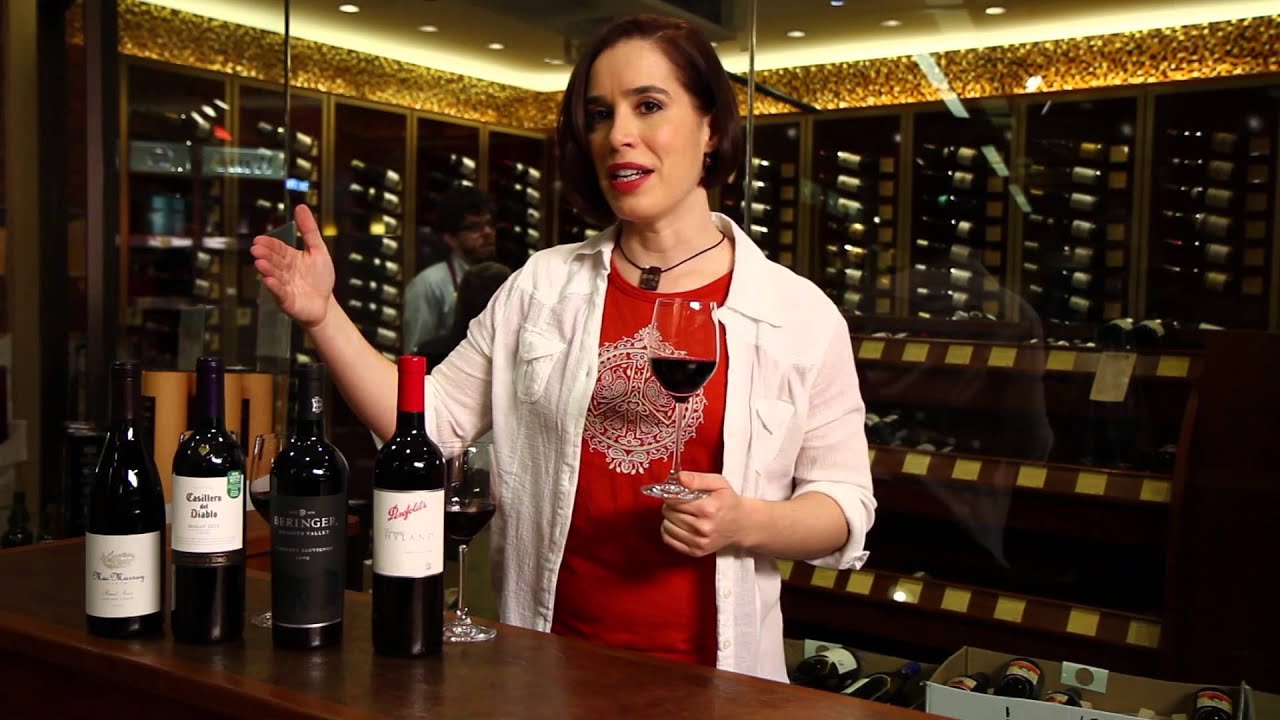
How red wine helps protect against dementia
Автор: GoCogno.com
Загружено: 2018-03-10
Просмотров: 883
Описание:
Get my free 6-page guide to brain-healthy eating made easy: "10 Foods to Eat for Better Brain Health" https://gocogno.com/10foods/
Enjoying a glass of red wine on a regular basis is one of the more agreeable ways to promote brain health. So why don't more people concerned about cognition take advantage of that?
Visit the Go Cogno website: https://gocogno.com/
Follow me on Facebook: / tonydearing6085
Follow me on Twitter: https://twitter.com/tonydearing?lang=en
Here is the text of today's video:
It’s a pleasant day here in New Jersey, and I’m taking advantage of the unseasonably warm weather to sit outside and enjoy and a glass of red wine.
It makes me wonder why I don’t do this more often, or why anybody concerned about brain health doesn’t do this more often. A little bit of red wine on a regular basis can do wonders for cognition, but either people don’t seem to know that, or they aren’t taking advance of it anyway.
Hi, I’m Tony Dearing of GoCogno.com, the website for people with mild cognitive impairment.
If you've been diagnosed with mild cognitive impairment, there 5 things you really want to double down on to protect your cognition: physical activity, heart health, cognitive training, stress reduction and nutrition.
For many people, improving your diet can be tough. It feels like you have to give up all those naughty, yummy foods you love and replace them with a lot of bland, boring choices that you hate.
Of course, that’s not true, and it’s even less true when you bring red wine to the table.
We know red wine, as a part of the Mediterranean diet, is good for your brain, and a new study really reinforces that.
Researchers at the University of Rochester looked at how different amounts of alcohol affected the brains of mice, and found the equivalent of 2 ½ glasses of red or white wine a day helped cleanse the brain of waste products that are linked to dementia and Alzheimer’s.
I posted that on a page on Facebook for people with mild cognitive impairment, and one of the members of the group replied: “I’ll drink to that.” But many of us don’t.
This slide comes from a recent survey by AARP and the Global Council on Brain Health, looking at what Americans over the age of 40 eat and how it affects their cognition.
If you look at coffee, low-fat dairy, fish or even beans, half, if not more of us are consuming those.
But red wine? Of the 13 options here, consumption of red wine is by far the lowest. I wouldn’t have guessed that, and neither would have Sarah Lock. She told me:
“I was surprised that only 16 percent of those who responded said they were drinking red wine. Lots of people said they were drinking alcohol, like 82 to 85 percent were drinking some form of alcohol. But a relatively small amount were drinking red wine.”
Now Lock says for people who are not drinking alcohol now, the experts do not recommend that you start drinking red wine just for the sake of brain health. What she suggested instead is that you consider berries or grapes. They are a good source of resveratrol or antioxidants, the same brain-friendly nutrients that wine offers.
But Lock told me that she enjoys a glass of wine, and she says for the sake of your cognition, you are allowed to do the same, as long as you keep these three things “IN” mind. That means:
IN moderation. One glass for women, two for men.
IN combination with food. Lock says most the research around wine suggests it’s best for brain health when consumed with a meal.
And IN the context of an overall healthy, balanced diet.
So yes, wine is fine, but strive to include other good choices in your diet as well. If you want to learn more about brain-healthy eating, I’ve put together this 6-page guide called “10 Foods to Eat for Better Brain Health.” To get it, go to GoCogno.com/10foods
Thanks for joining me today. Let’s end with a toast to red wine, followed by a sip or two. I look forward to seeing you next week. Until then, as always, be kind to your mind.
This site is educational, and is not intended as medical advice. It offers information about lifestyle choices that have been proven to help protect cognition. Always consult your doctor before making changes that can impact your health.
Повторяем попытку...

Доступные форматы для скачивания:
Скачать видео
-
Информация по загрузке: