Humoral Immunity (ALL Steps) | Immunology
Автор: Taim Talks Med
Загружено: 2019-04-24
Просмотров: 5851
Описание:
🌐 Website: https://taimtalksmed.com/
🫀 Help keep this content free: / @taimtalksmed
🔬 Get 10% off anatomy lab models (affiliate link): https://anatomywarehouse.com?aff=34
📲 Other Links:
Instagram: / taimtalksmed
Discord: / discord
Content:
0:00 Introduction
0:23 Steps in Humoral Immune Response
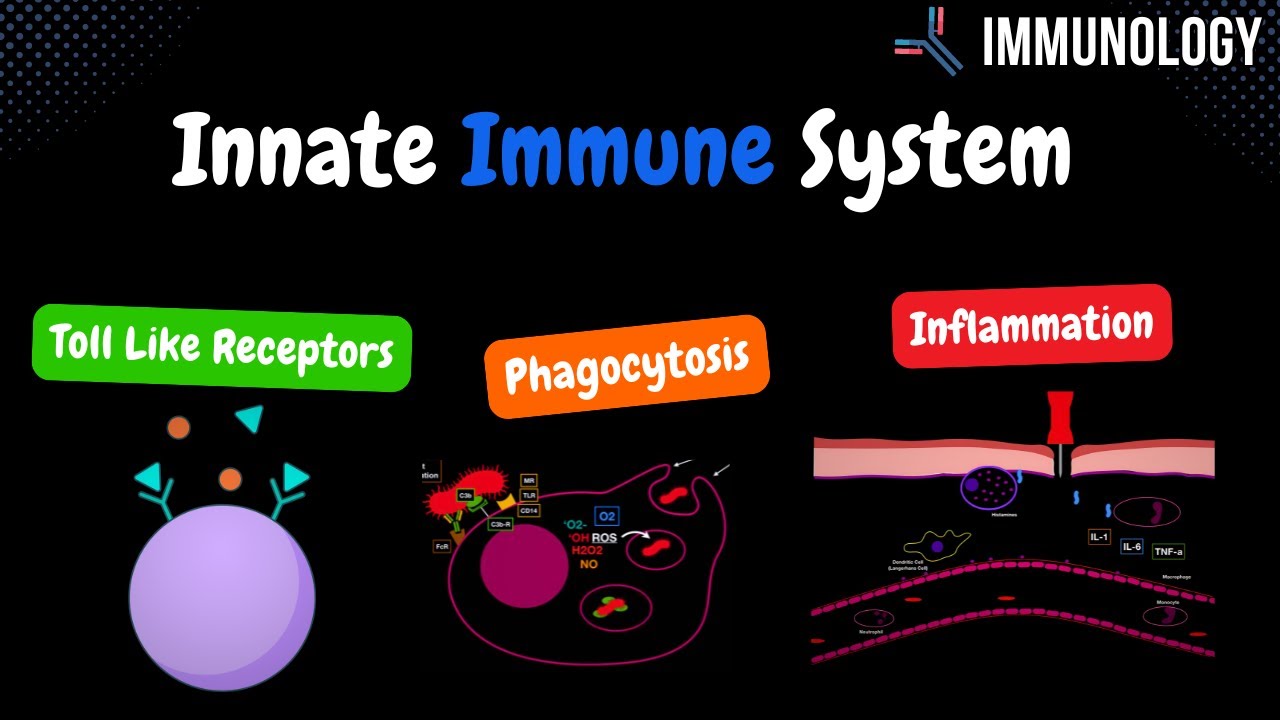
1:22 Phagocytosis and Inflammation
9:01 Antigen Presentation (MHCII + Th0)
11:34 B Cells Differentiation
17:05 Primary and Secondary Humoral Immune Response
—————————————————————-
All information in my immunology videos are from:
Book: Immunology, Eighth Edition by David Male, Jonathan Brostoff, David Roth and Ivan Roitt
Additional research in PubMed
University lecture materials
——————————————————————
Types of Immune responses:
Humoral Immune response
Cellular Immune response
Immunological Memory/T-cell Tolerance
Hypersensitivity
Steps in Humoral Immunity:
1. Antigen Enter (Extracellular antigen)
2. Phagocytosis and Inflammation
3. Peptide + MHCII on cell surface presented to Th0
4. B-cell Differentiation and Ag specific antibody
Phagocytosis and Inflammation:
Phagocytosis by Professional Phagocytes:
Neutrophils,
Macrophages/Monocytes,
Mast cells and
Denditic Cell
Steps in Phagocytosis:
Step 1: Binding
Non specific Cell Surface Receptors:
Mannose Receptor: Bind Mannose on Cell wall of microorganisms and fungi
Toll Like Receptor
CD14: Bind Lipopolysaccharide of Gram negative bacteria
C3b - C3b receptor: Indirect Opsonization (Promote binding)
Direct Opsonization: Fc-Receptor bind to Fc portion antibody
Step 2: Engulfment
By Pseudopods
Step 3: Phagosome:
Oxygen Dependent Digestion: Add Reactive Oxygen Species (ROS) into phagosome to kill microorganism. ROS are free radicals
Step 4: Lysosome Fusion:
Lysosomes fuse with phagosome (Attack Cell wall)
Enzymes (Proteolytic, Hydrolytic)
Antimicrobial Peptides (Defensins)
Acidic Reaction (Low pH)
Lactoferrin (Neutrophils)
Step 5: Antigen Presentation
Present a part of peptide on an MHC class 2 molecule
Additionally: Macrophage release pro-inflammatory cytokines to cause inflammation.
IL8 - Chemotaxis for Leukocytes
IL1 - Activate T-ly and Macrophages
IL6 - Activate T- and B-Lymphocytes
TNFa - Activate Endothelium (Endothelium express receptors to help neutrophils to bind and get out of blood vessel and release antimicrobial proteins)
IL12 - Activate Natural Killer Cells
IL1, IL6, TNFa has systemic response, they act as endogenic pyrogen causing fever. They can travel to the Hypothalamus to release Prostaglandins E2 (PGE2) which causes fever. Fever helps kill microorganism and increase metabolism to heal quickly. IL6 also travel to the liver to cause release of acute phase proteins (CRP and MBL)
Incomplete Phagocytosis: Phagocyte not able to kill microorganism
Listeria: Release Listeriolysin
Mycobacterium: Release Catalase
Present MHCII to Naive T helper Cell:
3 activation signals needed to activate Lymphocyte:
1st signal: T cell Receptor (TCR) with CD4 and CD3 - MHCII
2nd signal: B7 - CD28
3rd signal: IL4 from mast cells, Th1
Naive Th0 release IL2 (Autocrine) to grow
Now the naive Th0 undergoes clonal expansion and differentiation into effector Th2 cells.
Effector Th2 express CD40L and release IL10 (Suppresses function of Th1), Il4, IL5, IL6
B cells in secondary lymphoid organs:
Has BCR - B cell Receptor (IgD/IgM and signal transducers iga and igb)
B cell binds to microorganism and migrates to secondary follicule and go as close to paracortex (T cell zone) as possible to meet Th2 cell
3 activation signals needed to activate naive B-cell:
T-cell dependent B cell differentiation
1st signal: bind microorganism
2nd signal: B-cell binds to active Th2 through MHCII-TCR, CD40-CD40L
3rd signal: IL4, IL5, IL6, IL10, IL2, IFNg (according to what kind of antibody we need)
Now B-cell differentiate into Memory B-cell and Plasma Cell
T independent b cell differentiation:
When naive B cell binds to a microorganism (mostly carbohydrates), a strong signal activates the B cells into only miu plasma cells releasing IgM.
Primary and Secondary Humoral Immune Response:
During first exposure: IgM release first, then IgG after. The amount of IgG is higher
During second exposure of same antigen: IgM - same response, IgG give a stronger and quicker response.
Повторяем попытку...

Доступные форматы для скачивания:
Скачать видео
-
Информация по загрузке: