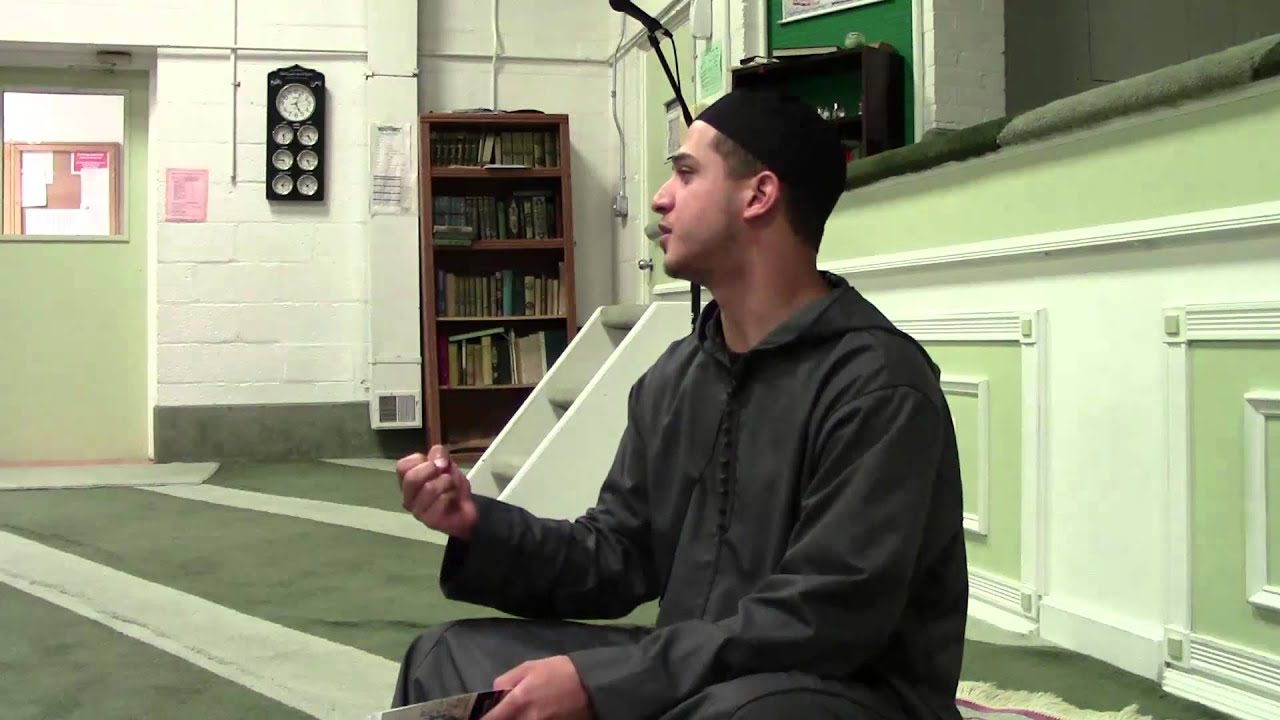
Islamic Manners | Episode 13 | Who Should Lead Prayers?
Автор: PgmaLegacy
Загружено: 2013-07-22
Просмотров: 1102
Описание:
The Messenger of Allah (PBUH) taught the youth the manners of companionship and the
custom of giving precedence to elders. Al-Bukhari and Muslim reported that the honoured
companion Malik bin Al-Hwaireth (RA) said: 'I was with a youth group that visited the
Messenger of Allah in Madina for twenty nights. The Messenger of Allah was very kind and compassionate. He sensed that we might have missed our families back home and he asked us about whom we had left behind. When we informed him, he said: 'Go back to your families, live with them, teach them Islam and tell them of the good deeds. At the times of prayer, let one of you call the Azan, and have your eldest lead the prayer.' '
The Prophet (PBUH) specified in this particular case that the eldest should lead the prayers since they were equal in their knowledge and learning. Being older in such a case merits leading the prayers. If a person is more knowledgeable, then he should lead the prayer since knowledge is an honor higher than age as could be seen in the Hadiths on this subject.
If the prayers were offered at a house, the host is entitled to lead it. Out of respect, he may request a person who is more knowledgeable, older or more prominent. If the guest
declines, the host should not hesitate to lead the prayers. Imam Ahmad reported in his
Musnad that Abdullah ibn Masoud visited Abu Musa Al-Ashari. When it was time to pray,
Abu Musa asked Ibn Masoud, 'Please lead the prayers since you are older and have more knowledge.' Ibn Masoud said, ' No, you lead the prayer. This is your house and praying area. You should lead the prayer.' Abu Musa did lead the prayer then.
Повторяем попытку...

Доступные форматы для скачивания:
Скачать видео
-
Информация по загрузке: