Spotted Eagle-owl facts🦉 African Spotted Eagle-owl 🦉 African Eagle-owl 🦉 smallest eagle owl
Автор: Amazing Planet!
Загружено: 2021-04-29
Просмотров: 646
Описание:
#amazinganimals facts for kids
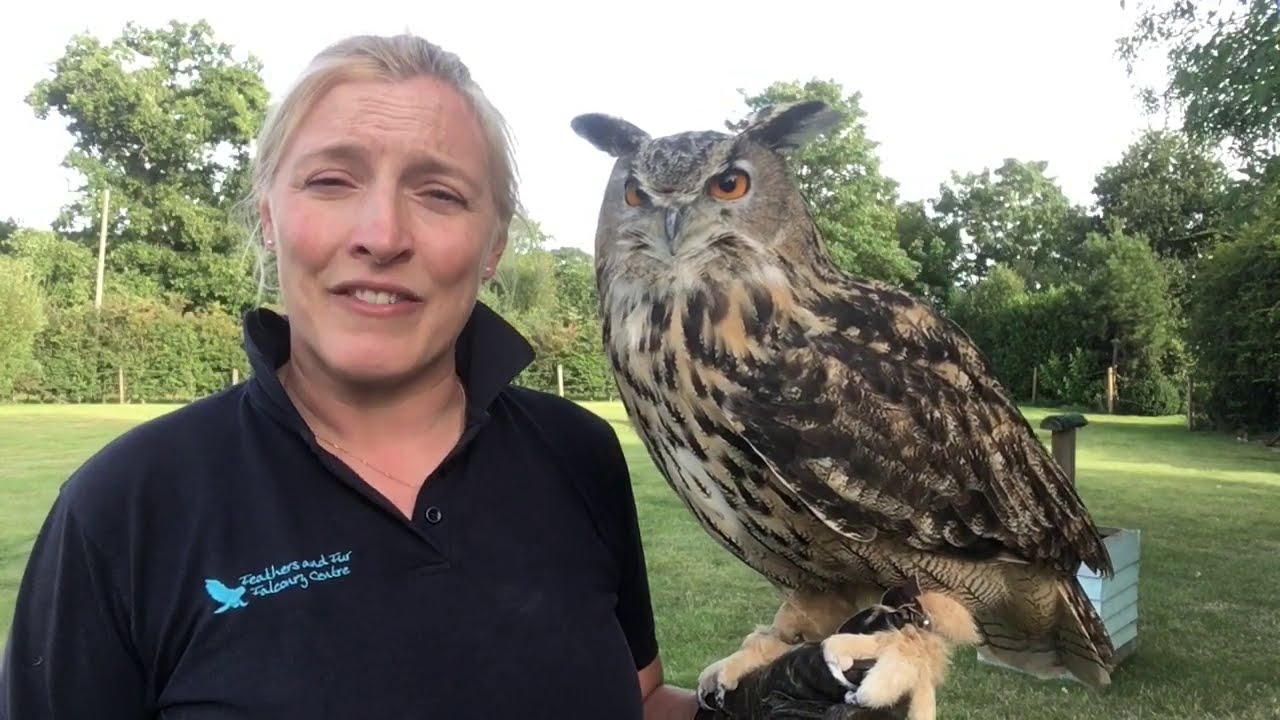
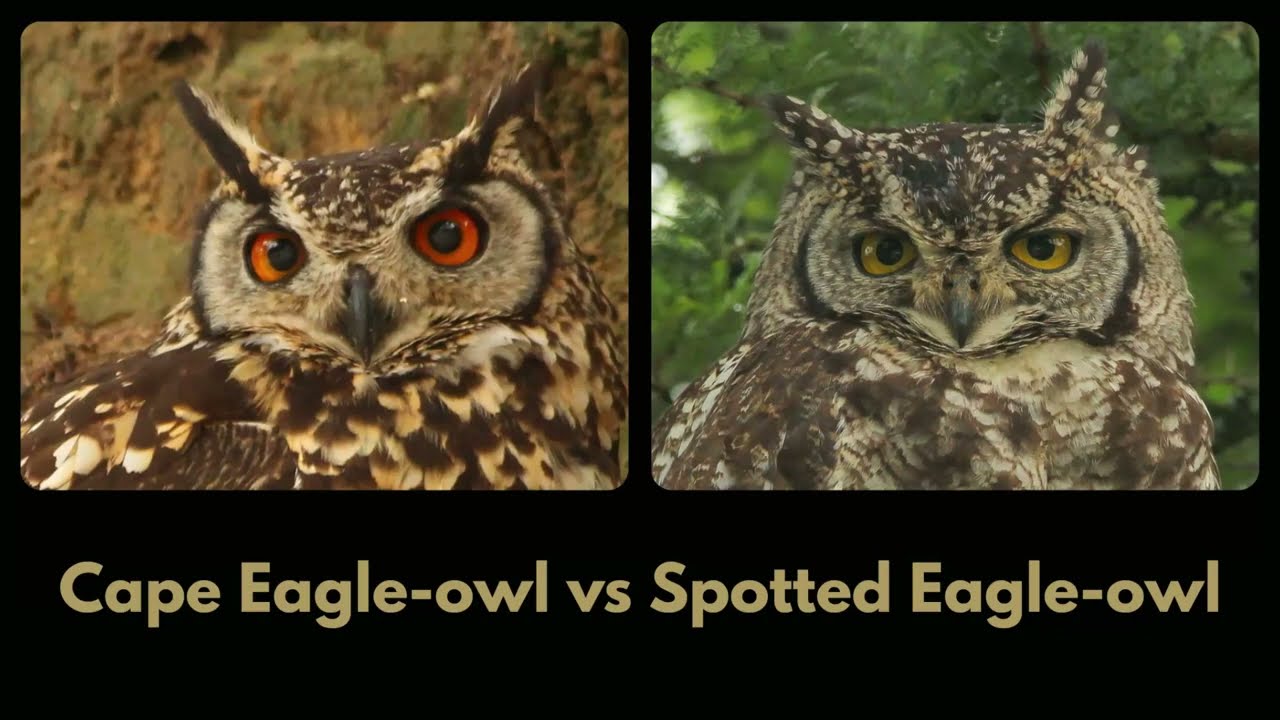
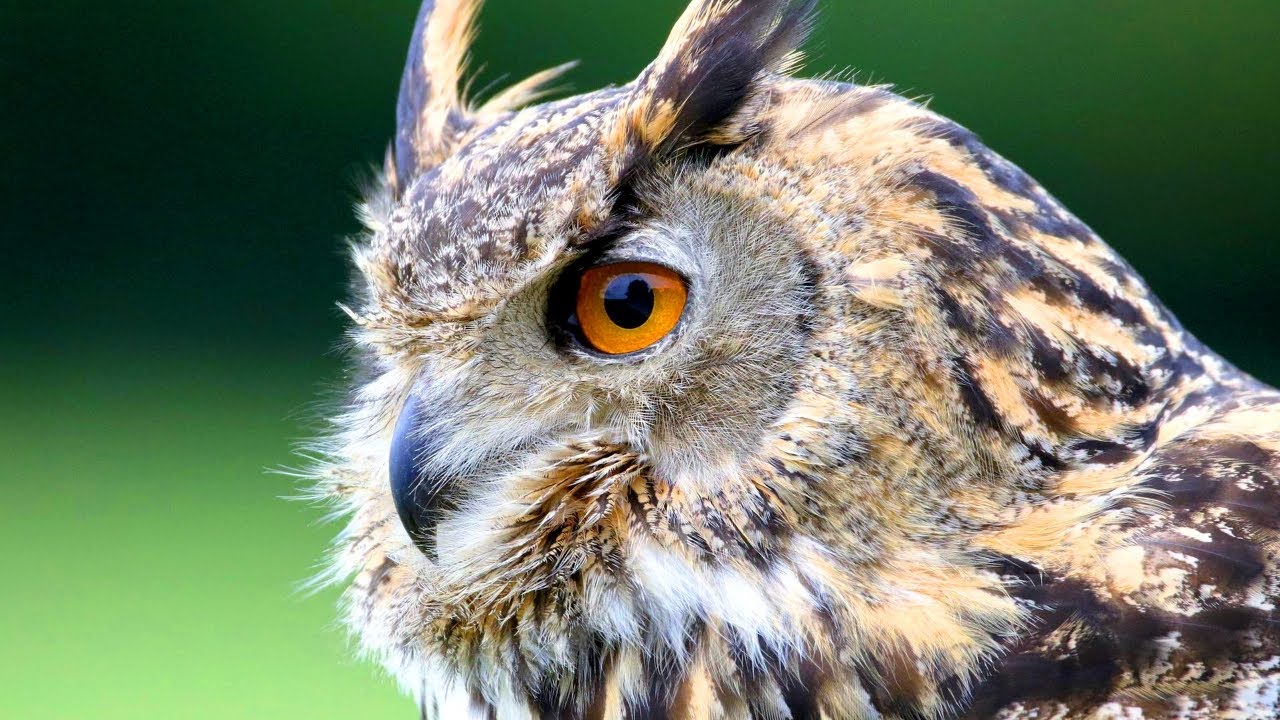
The spotted eagle-owl, also known as the African spotted eagle-owl and the African eagle-owl, is a medium-sized species of owl, one of the smallest of the eagle owls. The facial disk is off white to pale ochre and the eyes are yellow. It has prominent ear tufts, and the upper body is dusky brown, the lower parts off-white with brown bars. Its prey mainly consists of rodents, small mammals, birds, insects and reptiles. It often swallows its prey whole, with much head-jerking, pausing and resting in between, while a portion of the prey remains inside the mouth, until the prey can finally be swallowed down completely. For prey too large to swallow whole, the owl will tear pieces of meat from the prey, and will also tear shreds to feed nestlings. The male will hunt and bring food when the female cannot leave the nest. Sometimes, even in conditions verging on starvation, he will tear the head off a mouse, but bring the body for the female to feed to the young, or to eat herself if the eggs have not yet hatched. An adult pair is typically very aggressive in defence of its hunting territory, and one obstacle for an adolescent to overcome is to find good feeding grounds where there are no incumbent adults to eject or kill it.
Spotted eagle-owls are monogamous, but will take a new mate shortly after the loss of a partner through death occurs. They are able to breed at around one year of age. They usually make their nest on the ground but have been known to nest on man-made structures such as window ledges of buildings or in Owl Houses. Breeding begins typically towards the end of July continuing to the first weeks of February. The female lays two to four eggs and does the incubation, leaving the nest only to eat what the male has brought for food. The incubation period lasts approximately 32 days. Spotted eagle-owlets will jump out of a nest that is off the ground at about five weeks of age and spend about ten days on the ground before they can fly. During this time, the owlets learn essential skills by mock-hunting and catching smaller prey such as insects. The parents still support feed the young owls during this stage by bringing larger prey such as rodents for the owlets to feed on. Owlets make a rasping noise when they are hungry that can be heard by the parents over far distances to alert them to the owlets location. They have a life span of up to 10 years in the wild and up to 20 in captivity.
Повторяем попытку...

Доступные форматы для скачивания:
Скачать видео
-
Информация по загрузке: