Ramsøe: Quartet No. 4 for Brass Instruments
Автор: KVAMusic Edition
Загружено: 2026-02-02
Просмотров: 23
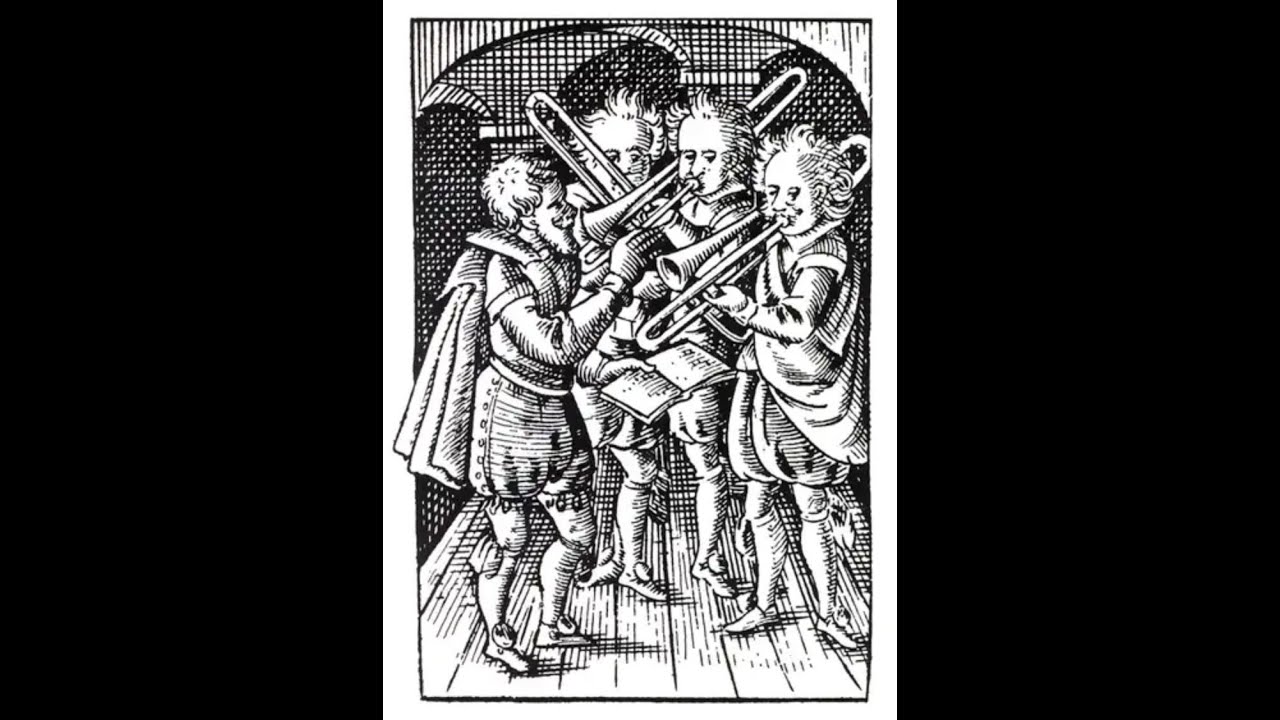
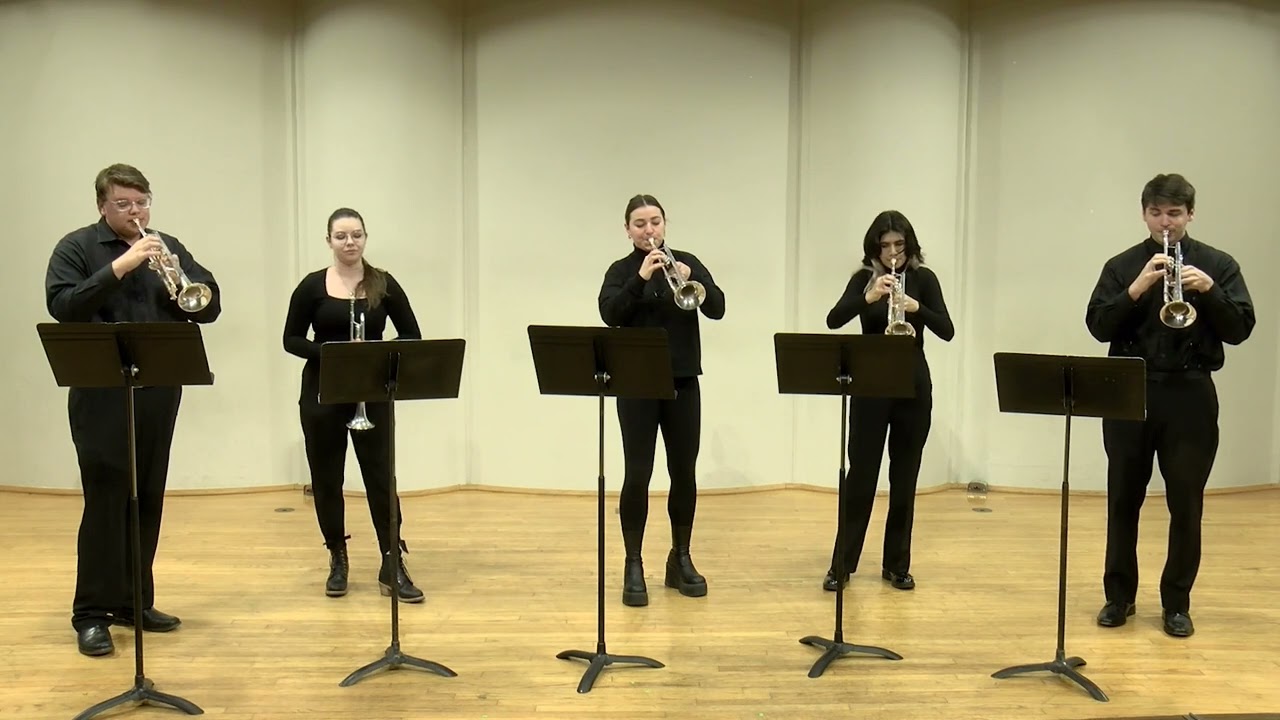
Описание: Emilio Wilhelm Ramsøe was born in Copenhagen, the second child of five. His father, Emilius Wilhelm Ramsøe, was a professional oboe-player; his mother was Anne (born Rasmussen).Ramsøe began playing violin at very young age. At 17 years old, he became conductor at actors guild for traveling theater companies; he conducted concerts in Denmark and Norway. Between 1857 and 1864, he conducted several concerts and performances at the newly built 2,000-seat concert hall Alhambra which opened in 1857. It was during this time that Ramsøe established his reputation as a conductor and composer; this led to his appointment as music-director at the then popular Folketheateret. From 1864 to 1875 he continued to conduct, while also composing and arranging various comedies. However, after a difference of opinion with the Folketheateret theater director, Ramsøe left the theatre and moved to Stockholm. In 1877, he moved to St Petersburg in Russia, first working as a viola player in the Italian opera orchestra, and later at the Bolshoi Theatre with the Russian opera orchestra. He was engaged as Royal music director at the Mikhaylovsky Theatre opera and ballet house. He returned annually to Copenhagen for summer vacations and conducted the symphonic wind band of Rosenborg Brøndkuranstalt, which played every morning in Rosenborg park. On 5 September 1863, Ramsøe married Mathilde Marie Strandmann-Petersen in Copenhagen. His last years were plagued by bad health; he died in St. Hans Hospital, Roskilde at the age of 58 . Wilhelm Ramsøe's magnificent brass quartets transfigured the genre of Viennese classical string quartet to brass sound. They are the composer's most often performed, most effective and virtuoso compositions. Each piece consists of four movements. A peculiarity of the cyclical form of this quartet is that the first movement in sonata form is preceded by a festive, slow introduction. Our new edition of the quartets follow the composers original instrumentation: Cornet in Bb, Trumpet in F, Trombone and Tuba, but with substitute parts for the trumpet to trumpet in Bb and the trombone to (treble clef )Baritone/Tenorhorn in Bb, the cornet part can of cause be played with a trumpet and the tuba with a Euphonium.
Повторяем попытку...

Доступные форматы для скачивания:
Скачать видео
-
Информация по загрузке: