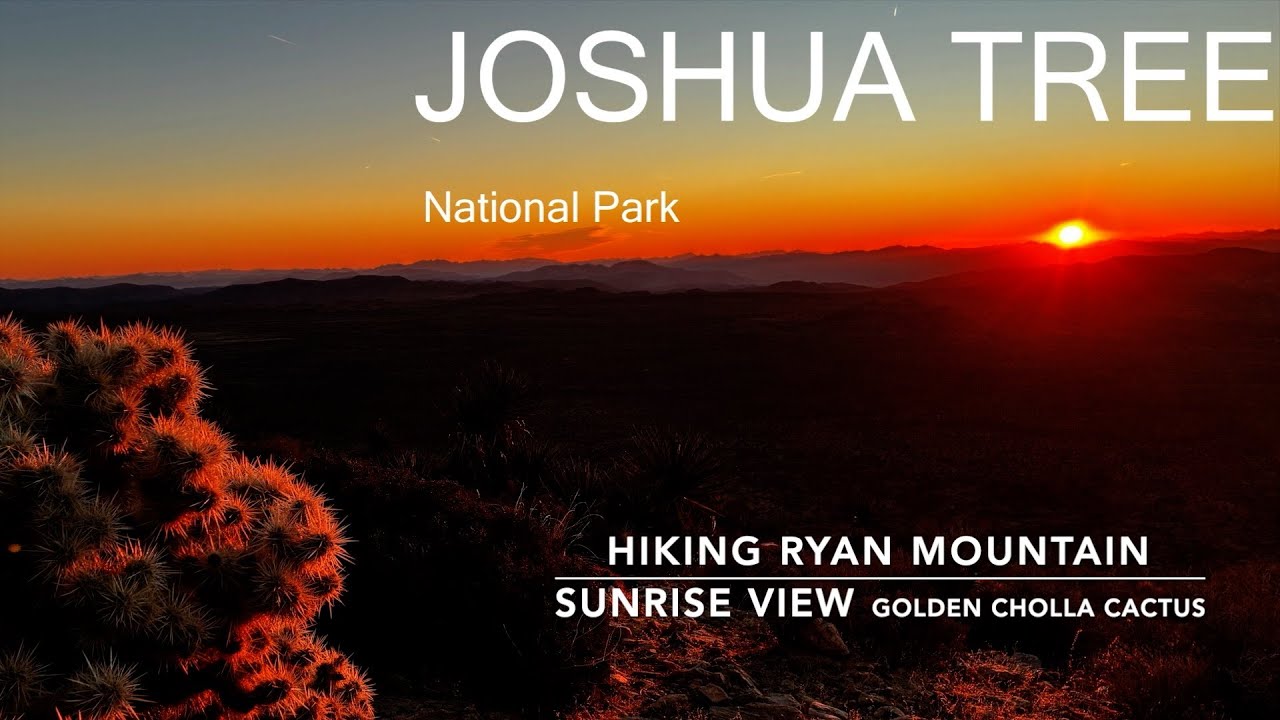
This View in Joshua Tree Changed My Mind About the Desert. Sunrise Hike to the top of Ryan Mountain
Автор: Roamapf
Загружено: 2026-01-04
Просмотров: 17
Описание:
If you only do one hike in Joshua Tree National Park, make it this one. Ryan Mountain delivers the ultimate 360-degree panoramic views of the entire desert landscape—and it’s breathtaking at sunrise or sunset.
Join us as we tackle this strenuous 3-mile, 1,000-foot elevation gain trail!
We dive into the history of the gold miners (the Ryan brothers of the Lost Horse Mine) and the incredible geology of the billion-year-old Pinto Gneiss that makes up this iconic peak.
It’s challenging, exposed, and totally worth the sweat. Check out why this is considered the best viewpoint in JTree!
👇 What's your favorite spot in Joshua Tree? Let us know in the comments!
⚡ QUICK FACTS:
Trail: Ryan Mountain Trail
Distance: 3 Miles Round Trip
Difficulty: Strenuous (Steep Uphill)
Best Time: Sunrise (approx. 6:40 AM today!) or Sunset (No shade!)
Must Bring: Water, sunscreen, good boots.
National Park Service: Ryan Mountain is composed primarily of two types of ancient, crystalline rock: the even older Pinto Gneiss and a younger intrusive granitic rock called monzogranite.
Rock Composition and Formation
Pinto Gneiss: This is the oldest rock in Joshua Tree National Park, estimated to be between 1.4 and 1.7 billion years old. It is a metamorphic rock, meaning it was once a different type of rock (likely a granite) that was subjected to intense heat and pressure deep within the Earth's crust, causing its minerals to align in distinctive light and dark bands or stripes.
Monzogranite: Around 100 to 250 million years ago, during the Mesozoic Era, large bodies of molten rock (magma) forced their way upward into the existing Pinto Gneiss. This magma cooled slowly underground, forming the coarse-grained, lighter-colored igneous rock known as monzogranite. The peak of Ryan Mountain is a prominent example of these granitic formations.
Ryan Mountain is named after J.D. "Jep" Ryan (along with his brothers Matt and Tom), who were wealthy ranchers and significant operators of the Lost Horse Mine, the most profitable gold mine in the park's history.
The Ryan brothers arrived in the area around 1895 and became partners in the Lost Horse Mining Company. The following year, J.D. Ryan established a homestead at the base of the mountain, known as Ryan Ranch, to secure access to a vital natural spring.
The water from this spring was crucial for the mining operation. Ryan installed a large 10-stamp mill at the mine site and built an innovative 3.5-mile long pipeline to pump water up a significant elevation gain from the ranch to the mill. The ranch complex became a hub of activity, supporting up to 60 people at the peak of the gold boom.
Today, visitors to the park can visit the ruins of the adobe Ryan Ranch homestead, which are located near the base of the mountain that bears their name.
Key Reasons for the Spectacular Views
Elevation and Dominance: At 5,457 feet, the summit is one of the highest points accessible by trail in the main park area. It rises significantly above the surrounding valleys (Lost Horse Valley, Queen Valley, Pinto Basin), offering unobstructed sightlines in every direction.
Panoramic Vantage Point: Unlike other viewpoints that might face a specific direction, the 360-degree view from the top means you can watch the sun rise in the east and set in the west, painting the entire horizon with vibrant hues of orange, pink, and purple.
Desert Landscape Contrast: The sparse vegetation and clear desert air create a stark, open landscape. The light during the "golden hours" (sunrise and sunset) plays beautifully with the unique rock formations, massive boulder piles, and thousands of silhouetted Joshua trees below, creating exceptional photographic opportunities.
Distant Mountain Backdrops: On a clear day, the view extends far beyond the park boundaries, encompassing the massive, often snow-capped, peaks of Mount San Jacinto and Mount San Gorgonio in the distance, adding a stunning vertical element to the horizon that catches the changing light.
Accessibility for the Time: While the hike is strenuous, it is a relatively short round trip (about 3 miles) that can be completed in 1.5 to 2.5 hours, making it feasible to time the ascent or descent with the sunrise or sunset without being a multi-day trek.
Witnessing the transition from day to night (or night to day) from this high, exposed vantage point is often described by visitors as one of the most memorable and beautiful experiences in Joshua Tree National Park.
#SunriseHike #DesertViews #AdventureTravel
Повторяем попытку...
Доступные форматы для скачивания:
Скачать видео
-
Информация по загрузке: