Meandering River Systems (Coarse and Fine Grained)
Автор: Nowrosjee Wadia College
Загружено: 2020-05-11
Просмотров: 278
Описание:
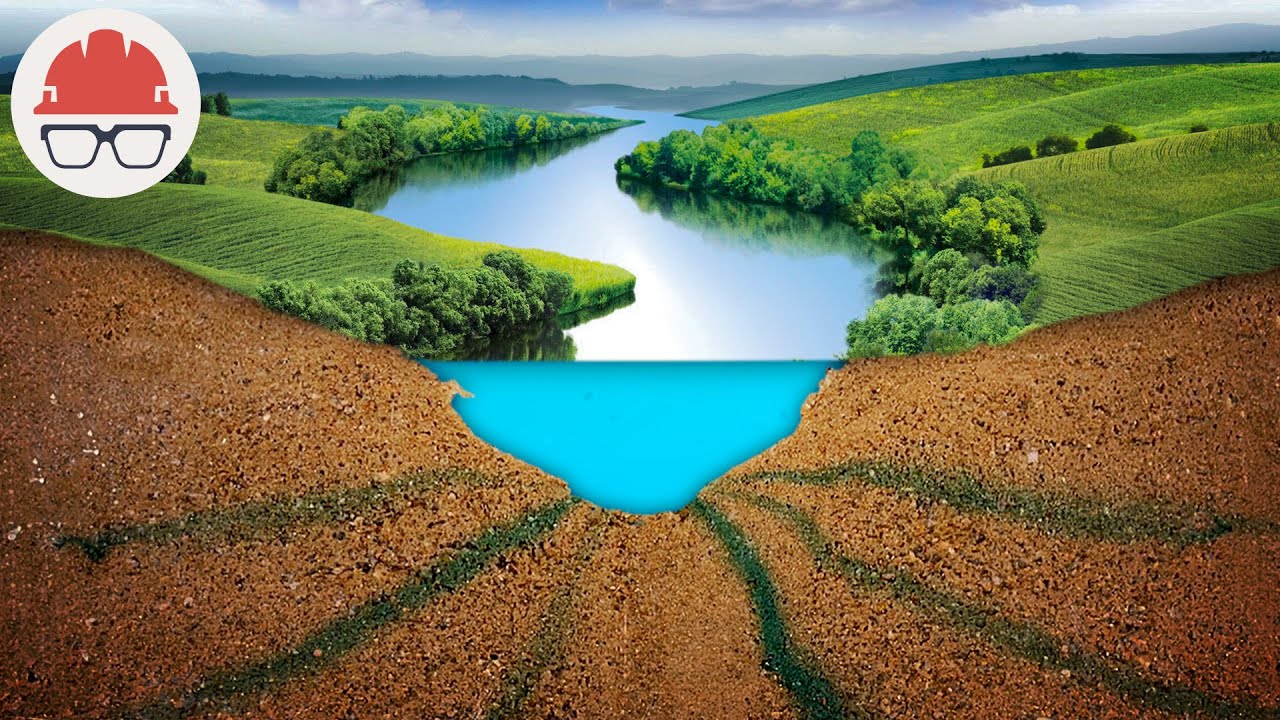
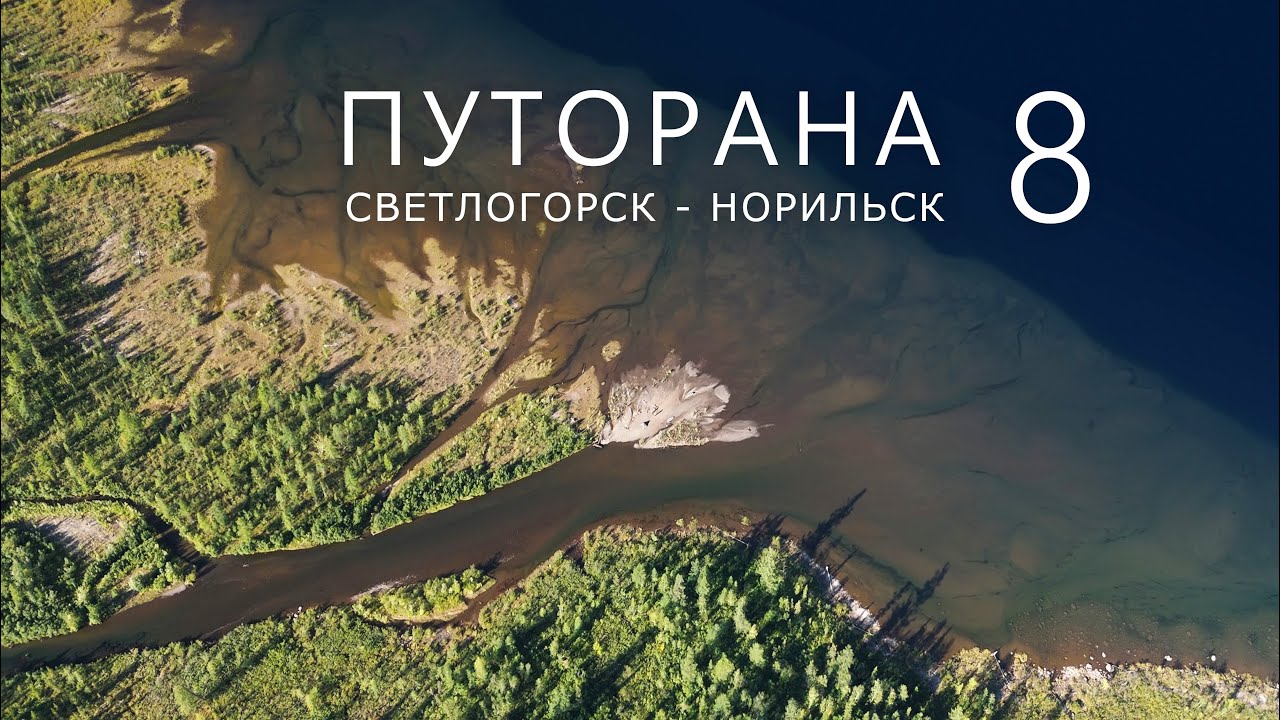
As their name implies, meandering rivers exhibit a sinuous longitudinal trend occur in the lower reaches of a river’s drainage system, where the topographic gradient is low. Consequently, the transportational and depositional energy is less in a meandering-river system than in a braided-river system, resulting in finer-grained sediments being more prevalent in the meandering-river system.
Although a meandering river might appear tranquil during most times of year, during flood stage the river is very dynamic. Gravel and sand-size particles are transported downcurrent as bedload, whereas the finer-grained suspended load may overtop the channel margins and be deposited on the adjacent floodplain. The river bends (i.e., the meander loops) form by a combination of erosion and deposition during times of such high-energy flow.
With increasing distance from source, the gradient of river profiles lessens, grain size decreases, and channels diminish in number on the floodplain and increase in sinuosity. Thus braided alluvial plains can change downstream into broad floodplains traversed by meandering rivers. The resultant alluvium shows the whole suite of active channel, abandoned channel, and overbank deposits . There is, therefore, a much higher proportion of silt and clay and far less sand and gravel than in the alluvium of
braided rivers.
What is Root mottled soil?
Soil mottling is a contrasting or “blotchy” color pattern within the dominant soil color. It is formed when the seasonal high water table rises into aerobic soils changing the conditions in the soils from aerobic (oxygen rich) to anoxic (without oxygen). The types of bacteria that can live under these two conditions are different. Bacteria living under aerobic conditions die when the water table rises because the oxygen in the soil is replaced by water. Anoxic bacteria begin to thrive because they can use certain oxides (oxygen bonded to iron and manganese) in the soil to survive. When the bacteria use the oxygen bonded to the iron and manganese, these minerals change color and dissolve into the water around them. When the water level begins to drop, these dissolved minerals stick to the surface of soil particles as yellow, red, orange, brown, blue or black coatings or a combination of these colors. Areas from which all of these minerals were removed because of long saturation periods become gray in color (called soil-gleying).
Повторяем попытку...

Доступные форматы для скачивания:
Скачать видео
-
Информация по загрузке: