The Evolution of Asphalt Paving Construction professionals
Автор: MHS
Загружено: 2024-04-02
Просмотров: 508
Описание:
#AsphaltPaving #RoadConstruction #ConstructionTechnology
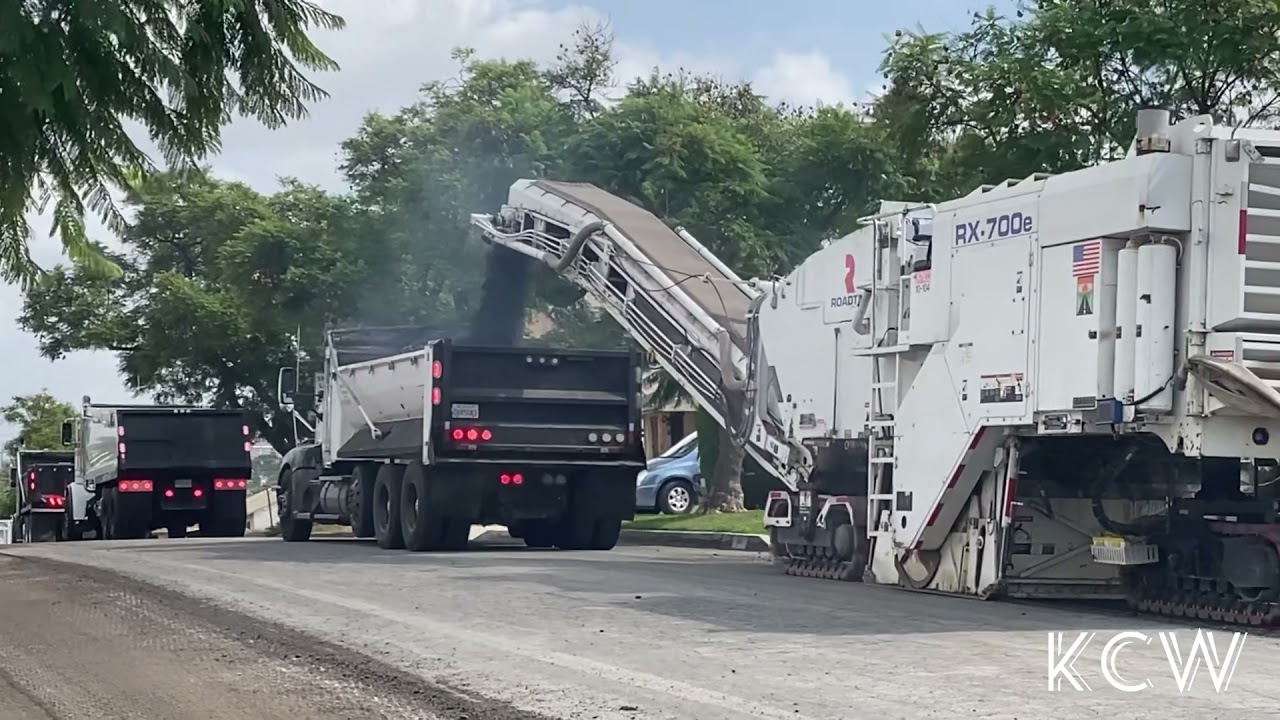
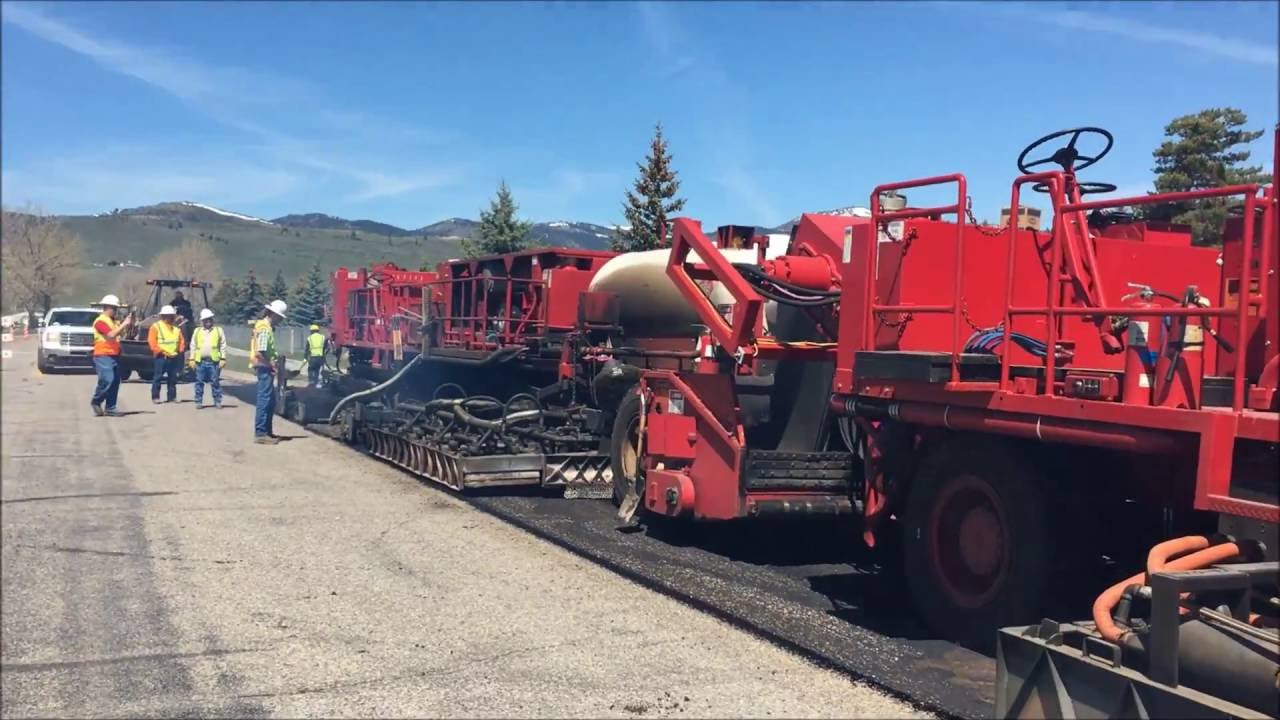
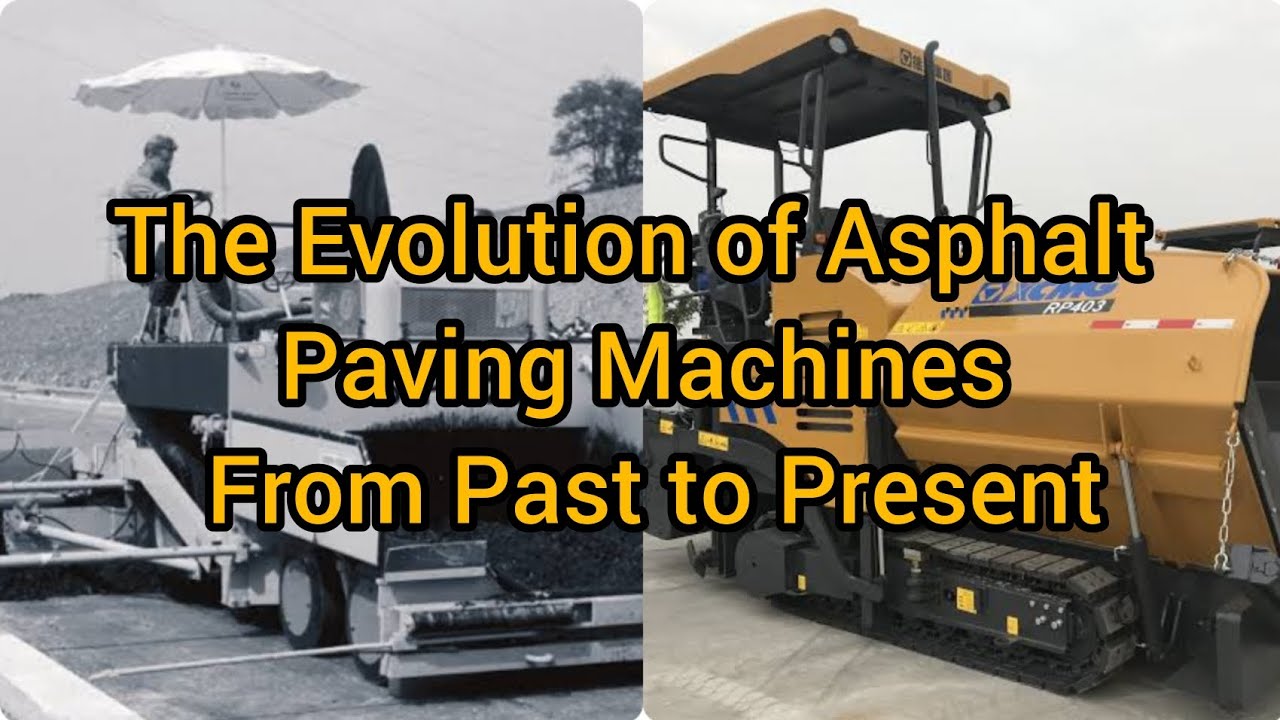
Dive into the history and technological advancements of asphalt paving machines, comparing older models like the Dynapac pavor F12W to modern equivalents. Highlight how these advancements have improved efficiency and quality in road construction
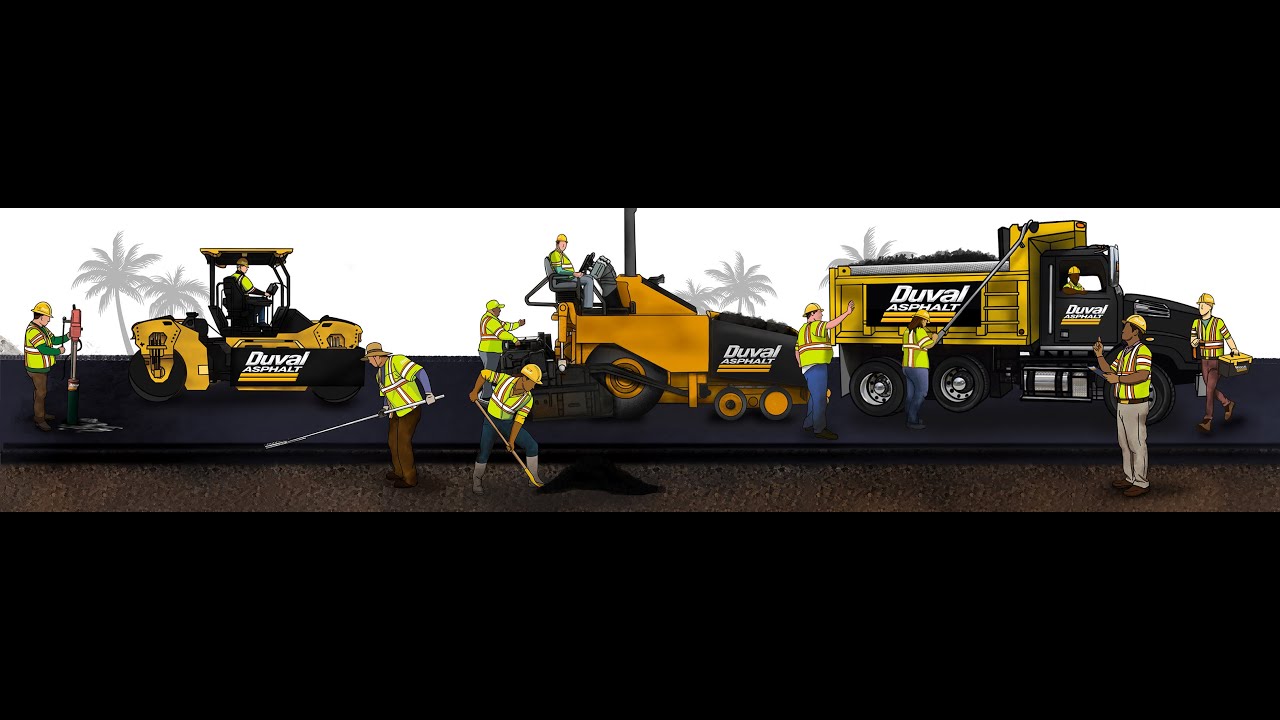
The evolution of asphalt paving machines has been a fascinating journey, driven by the need for efficient road construction and maintenance. Let's explore the key milestones in this evolution from the past to the present:
1. **Early Innovations (19th Century)**: In the 19th century, early road construction involved manual labor using shovels, picks, and horse-drawn equipment to spread and compact materials like gravel and stone. The process was labor-intensive and time-consuming.
2. **Steam-Powered Rollers (Late 19th Century)**: Steam-powered rollers were introduced in the late 19th century, revolutionizing road construction by providing a more efficient means of compacting materials like asphalt and concrete. These machines were large and cumbersome but significantly sped up the construction process.
3. **Introduction of Asphalt Mixers (Early to Mid-20th Century)**: In the early to mid-20th century, asphalt mixers were developed to produce hot mix asphalt (HMA) on-site. This allowed for greater control over the quality and composition of the asphalt mixture, leading to stronger and more durable road surfaces.
4. **Mechanical Pavers (Mid-20th Century)**: Mechanical asphalt pavers were introduced in the mid-20th century, replacing manual methods of asphalt placement. These machines featured adjustable screeds and conveyors for precise placement and compaction of asphalt mixtures, improving the quality and efficiency of road construction.
5. **Hydraulic Pavers and Screeds (Late 20th Century)**: Hydraulic-powered asphalt pavers and screeds became prevalent in the late 20th century, offering improved control and maneuverability. These machines featured advanced hydraulic systems for smoother operation and better paving accuracy.
6. **Computerized Paving Systems (Late 20th Century to Present)**: In recent decades, computerized paving systems have transformed asphalt paving technology. These systems use advanced sensors, GPS technology, and automated controls to precisely monitor and adjust paving parameters in real-time, resulting in smoother, more uniform road surfaces.
7. **Innovations in Materials and Techniques (Present)**: Today, asphalt paving machines continue to evolve with advancements in materials and construction techniques. High-performance asphalt mixtures, such as warm mix asphalt (WMA) and recycled asphalt pavement (RAP), are being increasingly used to improve sustainability and reduce environmental impact.
8. **Telematics and Remote Monitoring (Present)**: Modern asphalt paving machines are equipped with telematics systems that allow for remote monitoring of machine performance, fuel consumption, and maintenance needs. This enables proactive maintenance and troubleshooting, minimizing downtime and optimizing productivity.
Overall, the evolution of asphalt paving machines has been marked by continuous innovation, driven by the goal of achieving safer, more efficient, and sustainable road construction practices. From steam-powered rollers to computerized paving systems, these machines have played a crucial role in shaping the modern transportation infrastructure we rely on today.
#RoadInfrastructure #PavingMachines #ConstructionHistory
#asphaltpaving
#asphalt
#good
#sumitomo
#titan
#dynapac
#dynapac
#tandum
#sakai
Asphalt Plant Office Construction: Witness the Building of a Hub for Road Infrastructure Excellence
• Asphalt Plant Office Construction: Witness... Construction professionalsmachinery enthusiasts Construction professionals
Повторяем попытку...
Доступные форматы для скачивания:
Скачать видео
-
Информация по загрузке: