Psychology of People Who Don't Post their Photos on Social Media
Автор: Mindcraft Daily
Загружено: 2026-03-01
Просмотров: 23
Описание:
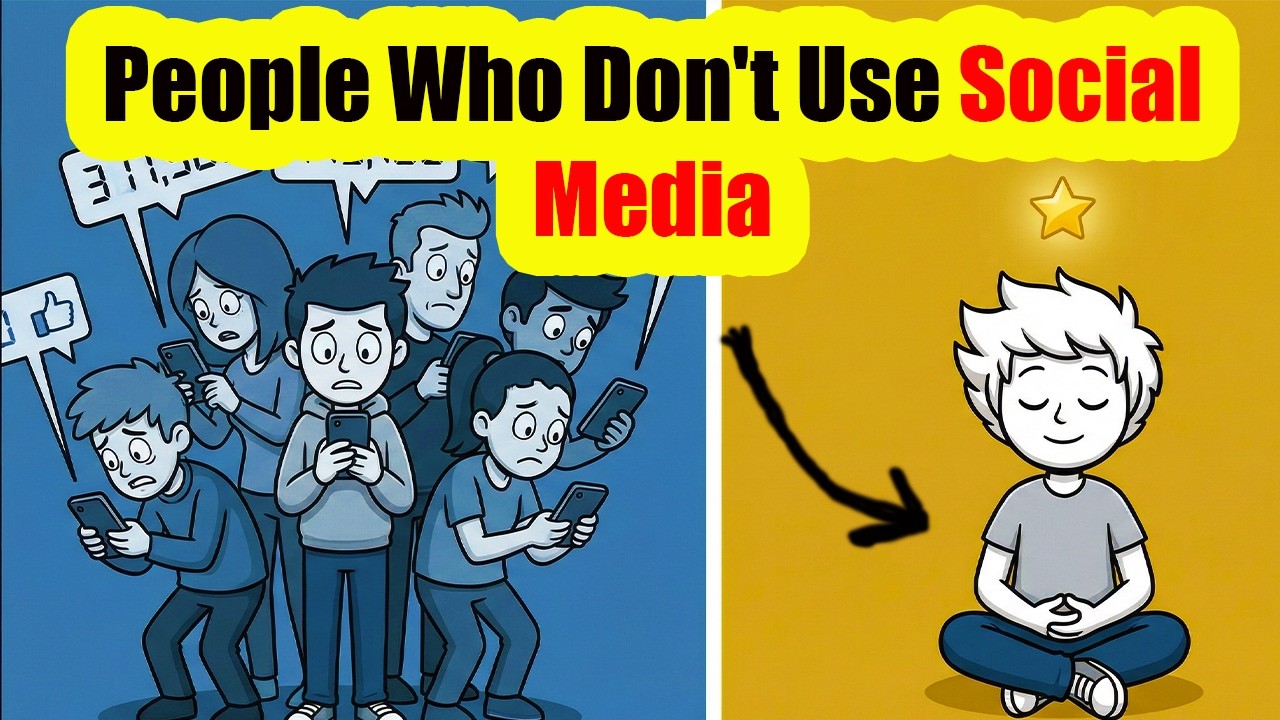
The psychology of people who don't post photos on social media is one of the most quietly fascinating areas of modern behavioral research — and one that touches millions of people who have made a conscious or unconscious choice to keep their personal lives off the feed.
In a culture that has quietly made visibility the default measure of confidence, the person with no profile photo, no life updates, and no digital footprint stands out — not for what they share, but for what they've chosen to protect. And that choice, it turns out, says a great deal about how their mind actually works.
What behavioral science reveals is that social media privacy psychology is not rooted in fear, insecurity, or antisocial tendencies — as popular assumption tends to suggest. It is, in many documented cases, rooted in something closer to the opposite. Research on digital identity and self-disclosure consistently shows that individuals who regulate their online presence deliberately tend to score higher in emotional security, self-concept clarity, and long-term psychological well-being. They are not hiding. They are curating — and doing so from a position of internal sufficiency rather than external need.
There is also a powerful social comparison psychology dimension to this behavior. Platforms like Instagram and Facebook are architecturally designed to trigger upward social comparison — the unconscious measuring of your life against a curated highlight reel of everyone else's. People who don't post have, whether consciously or intuitively, removed themselves from that comparison loop. They've opted out of a game that research increasingly suggests most players lose.
We also explore the psychology of online validation-seeking — specifically what happens neurologically when someone does not participate in the like-and-comment feedback cycle, and how that absence of external reward-seeking can reflect a deeply developed internal reward system. This is the neurological profile of people who have learned — or were simply born — to generate their own sense of worth from within.
And critically, this video draws the line that the conversation always needs: the distinction between intentional digital privacy and social withdrawal rooted in anxiety or avoidance. Not posting is not always a strength. But when it is, this video will help you recognize exactly what that looks like — in yourself and in others.
By the final chapter, you will not see online silence the same way again.
Related Topics:
Psychology of people who don't post on social media | Social media privacy psychology | Digital identity and self-disclosure | Why introverts don't post online | Social comparison psychology | Online validation seeking | Emotional intelligence and social media | Psychology of privacy
Disclaimer: This channel is created for educational and informational purposes only. The content presented in this video does not constitute professional psychological, medical, or therapeutic advice. If you are experiencing social anxiety, isolation, or mental health challenges, please consult a qualified mental health professional.
Повторяем попытку...

Доступные форматы для скачивания:
Скачать видео
-
Информация по загрузке: