When 220 Tons of Wood Hit 769 Tons of Steel — This Ramming Attack Sank U-352 in 3 Minutes
Автор: WWII Secret Records
Загружено: 2026-01-08
Просмотров: 711
Описание:
Why Lieutenant Maurice Jester rammed a steel submarine with a wooden Coast Guard cutter in 1942 — and survived when every naval expert said it was suicide. This World War 2 story reveals how one impossible collision changed anti-submarine warfare forever.
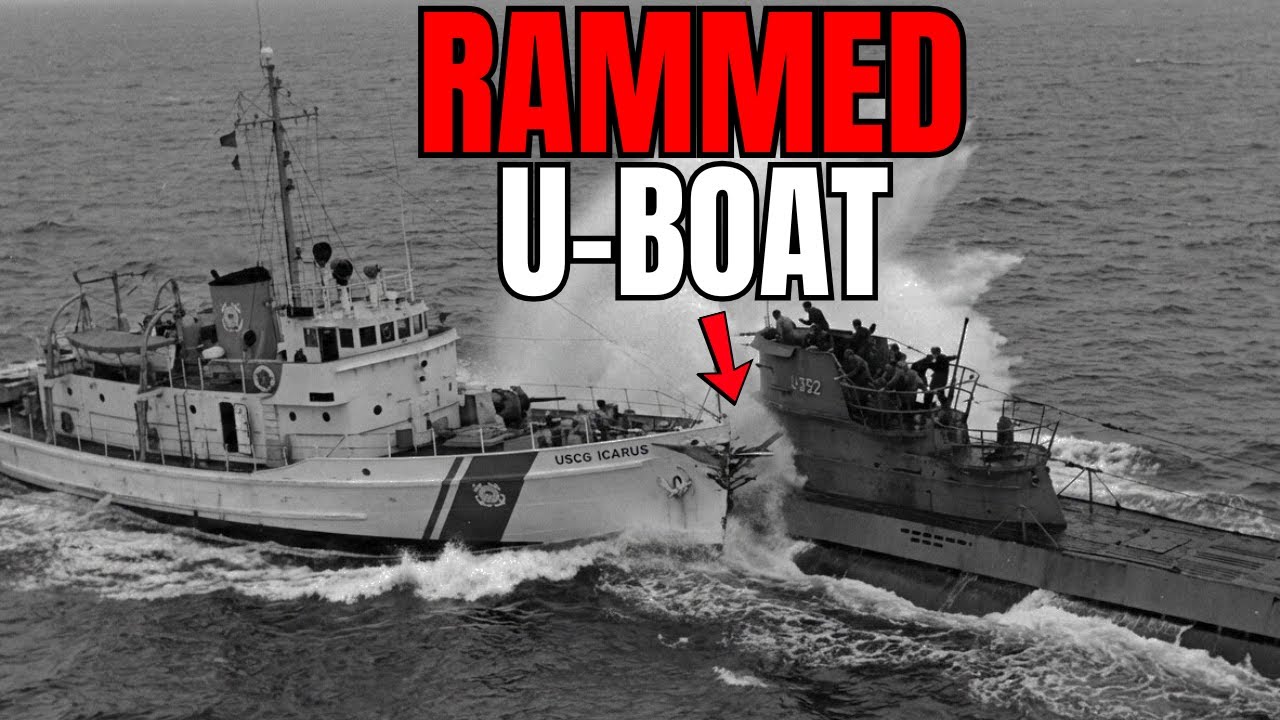
May 9, 1942, 3:47 p.m. Lieutenant Maurice Jester, commanding officer of USCGC Icarus, watched German submarine U-352 surface 300 yards ahead off Cape Lookout, North Carolina. The submarine was 220 feet of steel displacing 769 tons, its pressure hull designed to withstand 600-foot ocean depths. His ship was 165 feet of wooden planking over steel frames displacing 220 tons — a patrol boat built for peacetime rescue operations, not combat. Standard anti-submarine doctrine said maintain distance, use depth charges, avoid close engagement with submarines. Naval architects said ramming steel submarines with wooden ships was suicide. Steel submarines weighed three times more than wooden cutters. Chief Petty Officer Robert Huntington said: "Sir, we're wood. They're steel. We'll break apart." Every expert said wood couldn't defeat steel in direct collision.
They were all wrong.
What Jester discovered that afternoon wasn't about superior materials. It was about tactical necessity in a way that contradicted everything naval architects taught about collision physics. His wooden planking would crush and split on impact, but that crushing absorbed energy the way rigid steel couldn't. The wood acted as a crumple zone protecting the underlying steel frames. What happened at 3:49 p.m. when 165 feet of wood struck 220 feet of steel at 16 knots would prove that material disadvantage doesn't determine outcomes when commanders correctly assess tactical circumstances. And the ramming attack Jester executed would sink the first U-boat destroyed by the U.S. Coast Guard in World War II.
This unconventional attack sank U-352 in three minutes, tearing an eight-foot gash in the submarine's pressure hull while the wooden Icarus survived with manageable damage requiring three weeks of repairs. The engagement demonstrated that calculated risk and tactical audacity could overcome material disadvantages, becoming one of the few instances in naval history where a wooden vessel successfully rammed and sank a steel submarine. The wreck of U-352 remains in 115 feet of water off Cape Lookout today, the ramming damage still visible to thousands of divers annually.
#worldwar2 #ww2history #ww2 #wwii #ww2records
Повторяем попытку...
Доступные форматы для скачивания:
Скачать видео
-
Информация по загрузке: