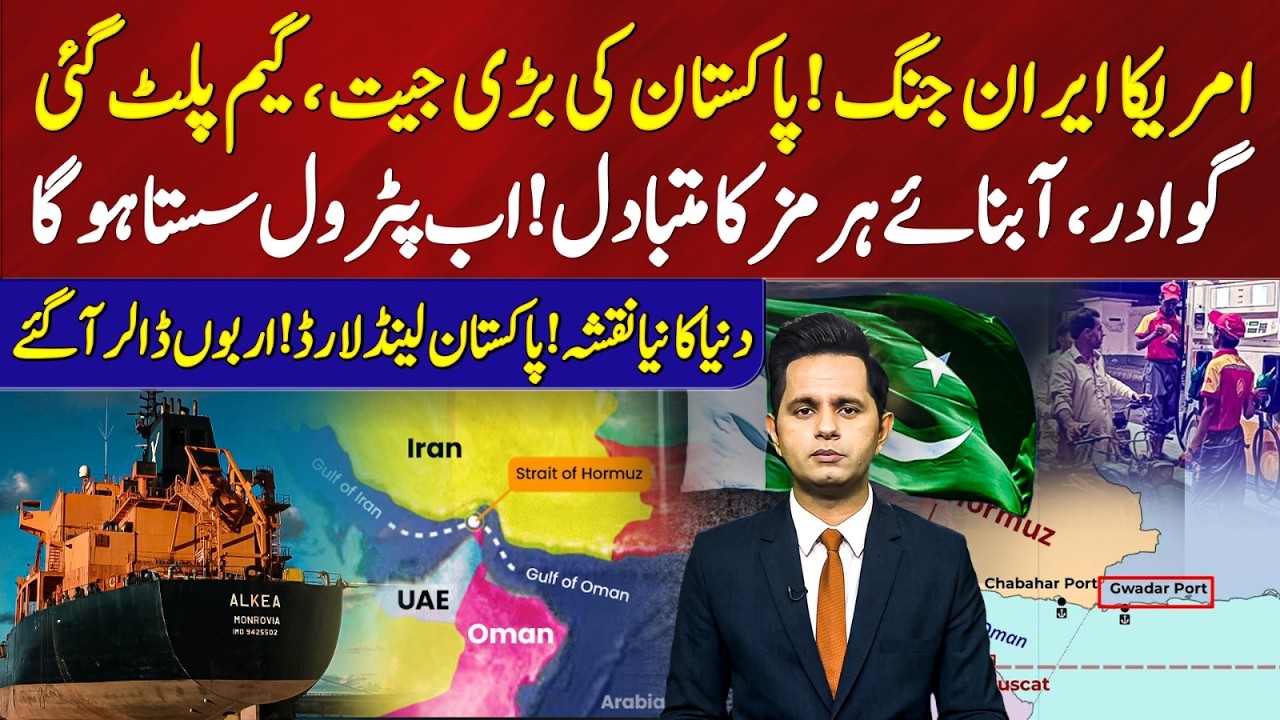
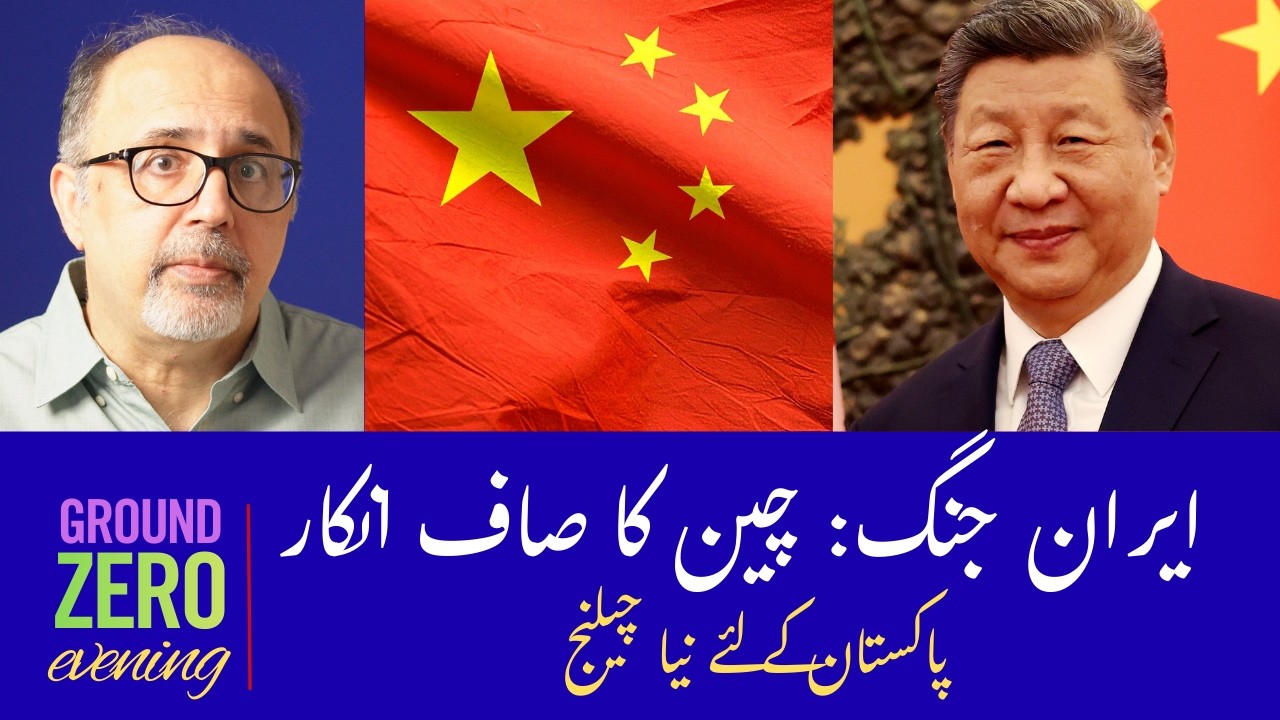
Hormuz Crisis: Why China Will Not Help US || پاکستان پر معاشی دباؤ شدید تر
Автор: Live From Ground Zero
Загружено: 2026-03-16
Просмотров: 16966
Описание:
The content on this channel represents professional security analysis and public policy commentary based on decades of field experience. It is intended for educational and analytical purposes only. Mr. Bharoka does not endorse or glorify acts of violence, war, or terrorism. This channel maintains a commitment to intellectual honesty, international law, and the human cost of conflict while a strict policy is followed not to sensationalize the content. All information is fact checked, and if anything found contrary to that, your comments are most welcome. We will instantly rectify that.
The Strait of Hormuz Crisis: A Global Economic Stand-Off
In this video, we break down the most significant maritime crisis of 2026. Following the U.S.-Israeli strikes on Iran in February, Tehran has enacted its "killer move" by closing the Strait of Hormuz. With 20% of the world's oil and a quarter of its LNG supply now effectively blocked, global energy markets are in a state of panic.
Why China Will Not Help the U.S. Unblock the Strait
President Trump has publicly called on Beijing to send warships to help police the region, even suggesting a delay in his high-stakes summit with President Xi Jinping. However, China is unlikely to step in.
Strategic Opportunity: Beijing views the current crisis as a "mess" created by Washington’s unilateral military choices. By refusing to join a U.S.-led coalition, China undermines American hegemony in the Middle East.
The Iran Lifeline: China remains Iran's primary economic lifeline, purchasing vast amounts of oil at a discount. In fact, reports suggest Iran is allowing Chinese-managed vessels to transit the strait while blocking Western ships—giving Beijing a unique competitive advantage.
Pressure Point: China is leveraging its "wait-and-see" approach to force the U.S. into making trade concessions elsewhere, particularly regarding the new tariffs being explored by the Trump administration.
The Catastrophic Impact on Pakistan
For Pakistan and South Asia, the stakes are existential.
Energy Insecurity: 80% of Pakistan’s crude oil and nearly 100% of its LNG imports (primarily from Qatar and the UAE) must pass through the Strait of Hormuz. The current closure has already triggered a "war-risk surcharge" on shipping, and domestic fuel prices have surged by 55 PKR per liter.
Economic Rupture: The Federation of Pakistan Chambers of Commerce (FPCCI) has warned of a looming balance of payments crisis. Our textile sector, the backbone of our exports, faces a 20% drop in production due to rising energy costs and delayed shipments.
The Remittance Threat: With millions of Pakistanis working in the Gulf, any further escalation threatens the flow of remittances that keep our external accounts stable.
We are witnessing a structural rupture in the global energy system. Join me as we analyze the military, economic, and human costs of this unfolding tragedy.
About the Author:
Muhammad Akram Naeem Bharoka is a retired Inspector General of Police (IGP) with a distinguished 35-year career in the Pakistan Police Service. A former senior faculty member at the National School of Public Policy (NSPP), he has specialized in counter-terrorism, regional stability, and international security cooperation. His career includes extensive collaboration with international intelligence agencies and representing Pakistan at global forums, including the International Association of Chiefs of Police (IACP).
Повторяем попытку...
Доступные форматы для скачивания:
Скачать видео
-
Информация по загрузке: