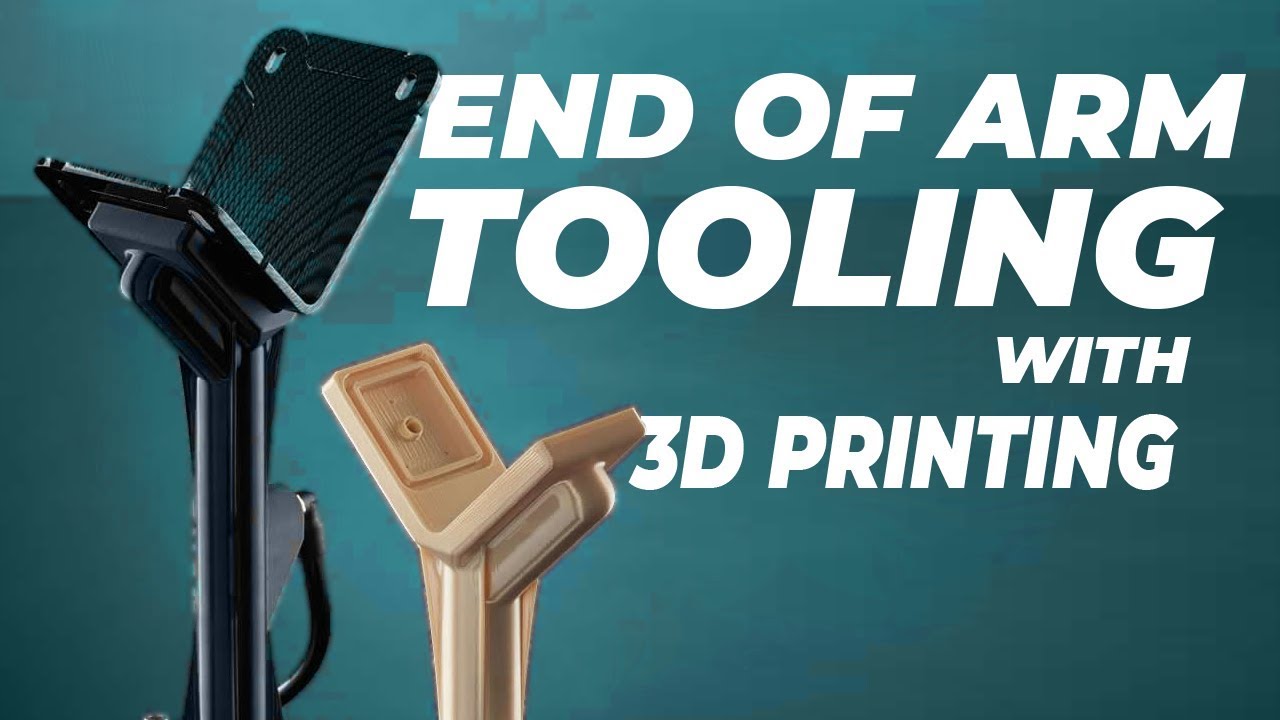
3D Printing End of Arm Tooling/End Effectors
Автор: Proto3000
Загружено: 2019-01-07
Просмотров: 1770
Описание:
For more information on 3D printing for end-of-arm tooling applications visit http://bit.ly/2Tu07nI
To explore our industrial 3D printer lineup visit http://bit.ly/2TxrRry
To receive an instant quote on 3D printing services visit http://bit.ly/2TzEKBg
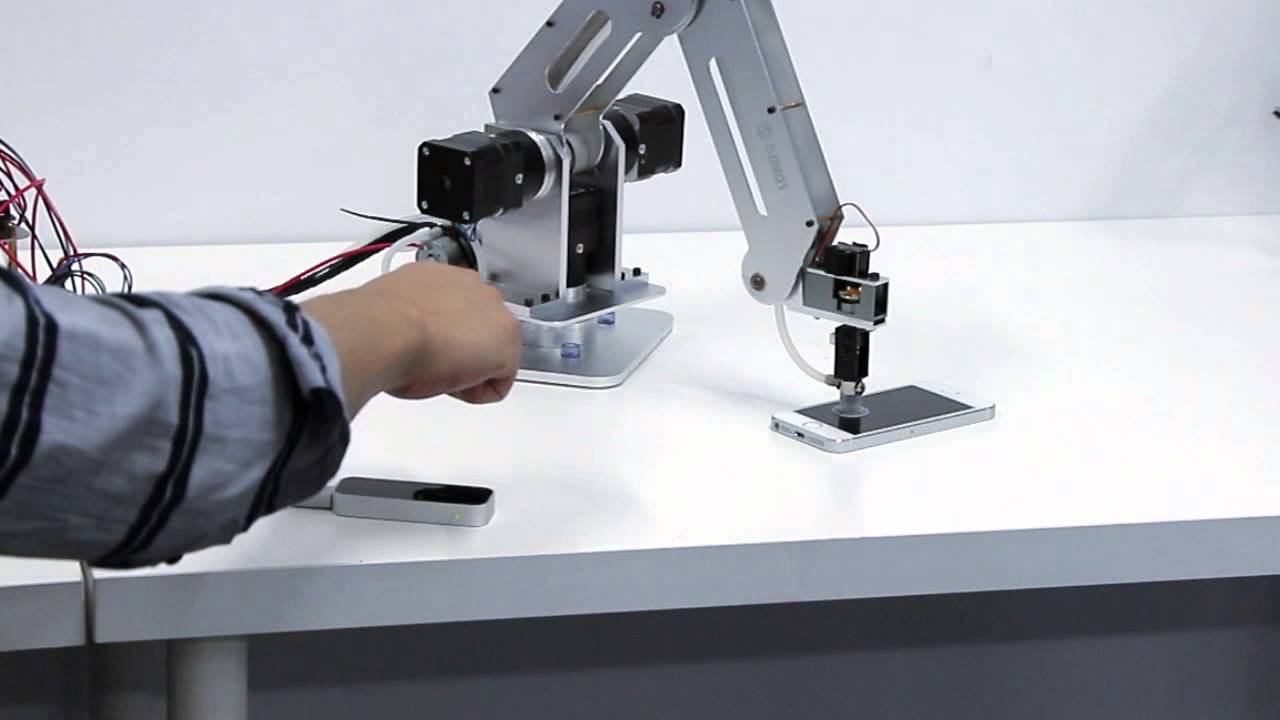
Robots are used to perform tasks such as sorting, transporting, palletizing, inspecting and machining. A robot’s end of arm tool (EOAT), also called an end-effector, is selected based on
the operation it will perform, such as gripping or welding, and is specific to the part or tool that
the robot manipulates. Although there are standard, off-the-shelf EOATs, robot
integrators and end-users often need customized solutions to engage uniquely shaped objects,
optimize operations and improve productivity. Because of the low-volume nature of custom
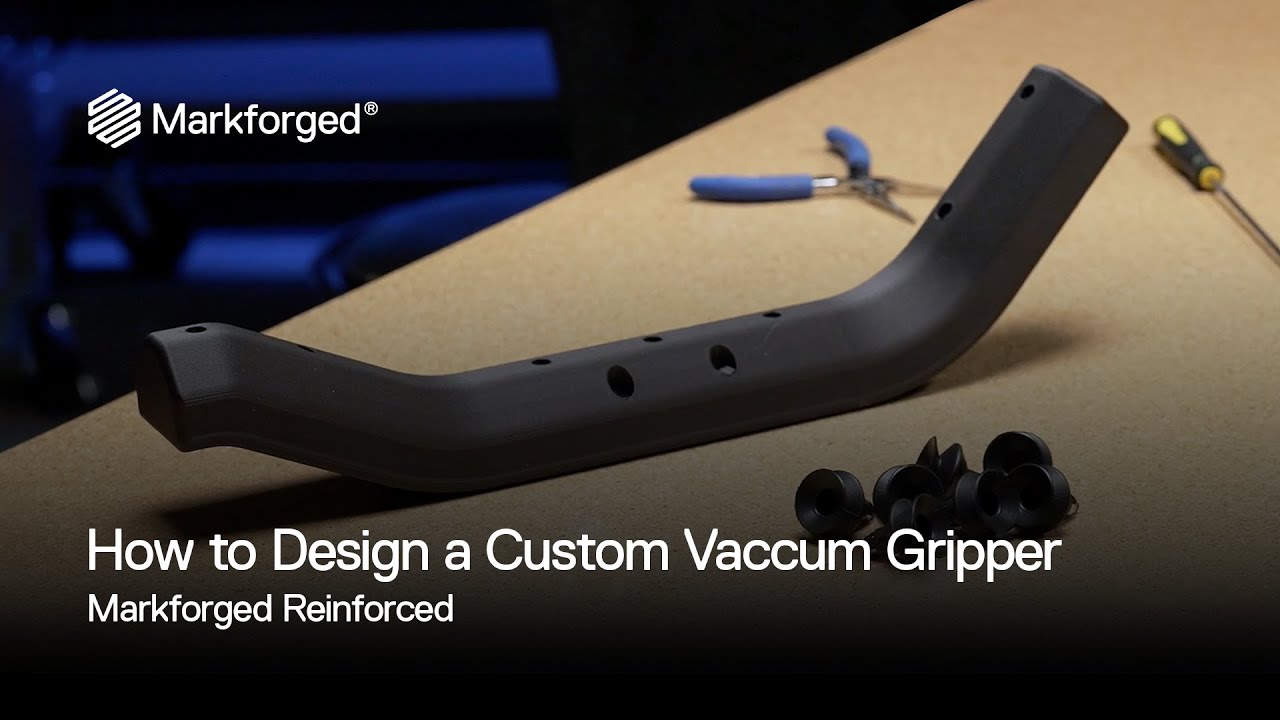
EOATs, many are machined from metal. They are combined with stock components such as vacuum cups, actuators, framing components and quick changers. However, the time, cost and effort to machine custom EOATs can be prohibitive, which is why end-users may settle for non-customized, stock solutions.
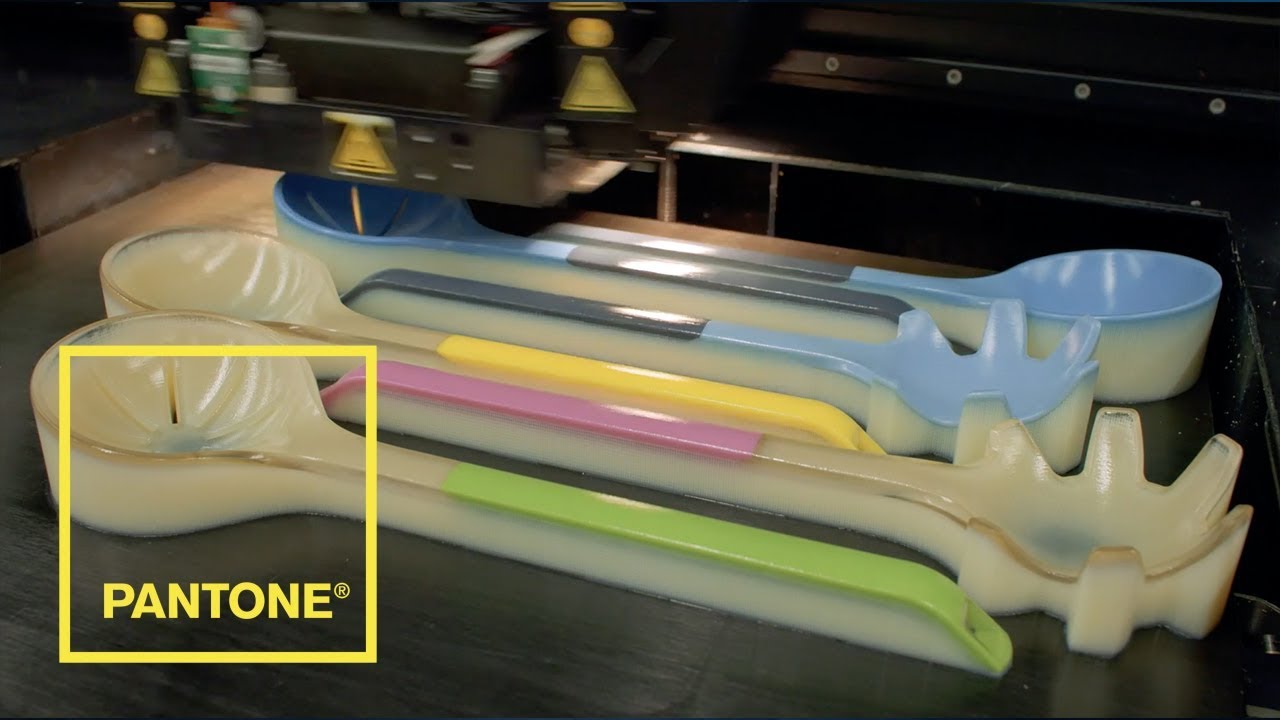
FDM® technology provides an alternative method for producing EOATs that can provide dramatic time and cost savings while optimizing performance. FDM is an additive manufacturing (3D printing) process that builds plastic parts layer by layer using data from 3D computer-aided
design (CAD) files. With FDM, EOATs can be customized and tailored to a specific application
while often accelerating implementation on the production floor. FDM technology and materials make EOATs that result in many performance advantages for robots. FDM EOATs are lighter than those made with metal, which means that robots can move faster or carry larger payloads. Weight reduction also improves motor efficiency and reduces component wear, extending the time between preventive maintenance (PM) cycles. FDM technology easily makes hollow internal structures and the thermoplastic materials are lightweight, yet durable. When combined, weight reductions of ninety percent or more are possible.
Subscribe now - https://bit.ly/2DeL5iH
Follow us on Social!
Twitter: https://bit.ly/2ZTkKP1
Facebook: https://bit.ly/31UtmHL
Instagram: https://bit.ly/3e7XZMp
LinkedIn: https://bit.ly/3eaIVO1
Повторяем попытку...
Доступные форматы для скачивания:
Скачать видео
-
Информация по загрузке:










![I Made a Robot Arm to Hold My Camera [$500]](https://imager.clipsaver.ru/e3TNaIyTAnY/max.jpg)