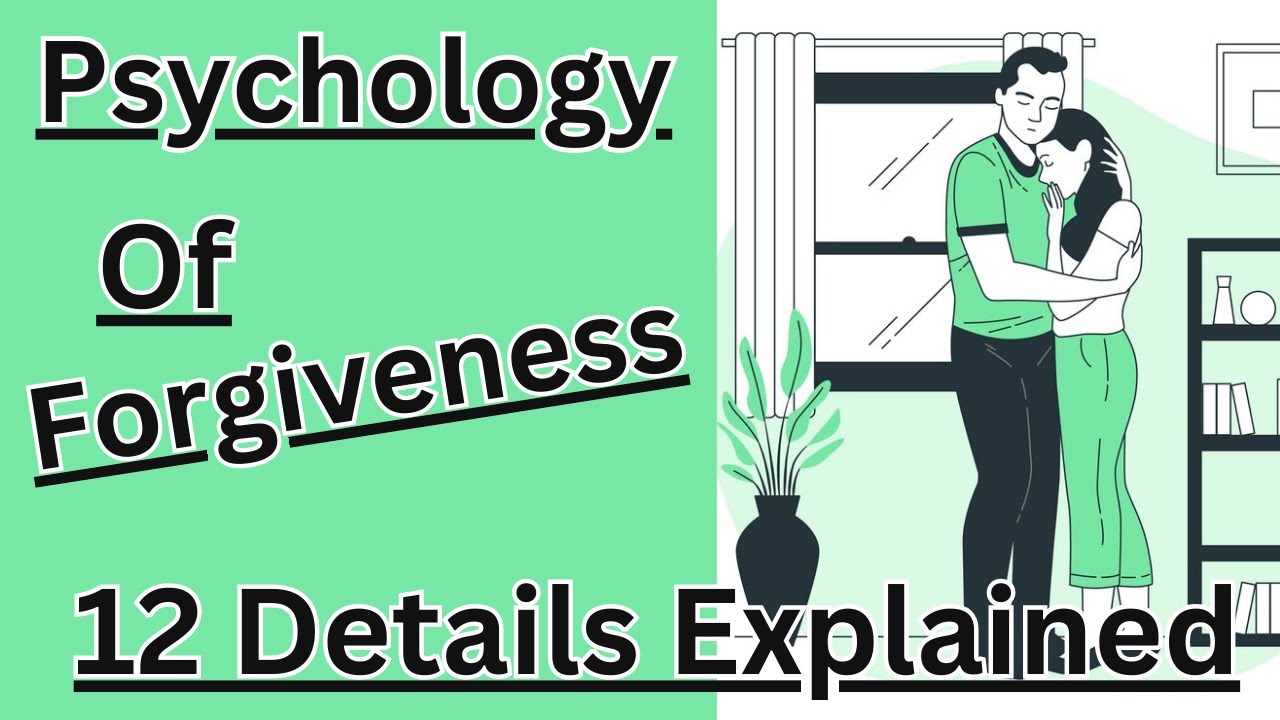
The Psychology of Forgiveness: Explained 💕
Автор: NorthStar Dreams
Загружено: 2024-03-04
Просмотров: 240
Описание:
#empowerment #psychology #psychology_of_forgiveness
The Psychology of Forgiveness: 12 Ways Explained
Forgiveness, a complex psychological process, involves letting go of resentment and negative emotions towards those who have caused harm. Understanding the intricate facets of forgiveness entails exploring the cognitive, emotional, and behavioral dimensions that contribute to the transformative power of granting forgiveness.
**1. Cognitive Shift:
Changing Perceptions: Forgiveness often begins with a cognitive shift, where individuals reframe their understanding of the offender and the situation. This involves challenging negative thoughts and fostering empathy.
1. Perspective-Taking: Cognitive processes of forgiveness may include perspective-taking, where individuals try to understand the motives or circumstances of the person who caused harm.
**2. Emotional Healing:
Releasing Resentment: Forgiveness involves releasing intense negative emotions, such as anger and resentment, which can contribute to emotional healing.
1. Acceptance of Pain: Acknowledging and accepting the pain caused by the offense is a crucial step in the emotional journey towards forgiveness.
**3. Self-Reflection:
Understanding Personal Values: Engaging in self-reflection helps individuals connect with their personal values and principles, which can guide the forgiveness process.
1. Examining Contribution: Individuals may reflect on their own contributions to the situation, fostering a balanced perspective and promoting personal growth.
**4. Empathy and Compassion:
Cultivating Empathy: Forgiveness often involves cultivating empathy towards the offender, recognizing their humanity and acknowledging that everyone is capable of making mistakes.
1. Compassion for Oneself: Additionally, forgiveness extends to oneself, emphasizing self-compassion and understanding that everyone is fallible.
**5. Decision-Making Process:
Conscious Choice: Forgiveness is a conscious decision rather than a passive response. Individuals actively choose to let go of grievances and open themselves to the possibility of reconciliation.
1. Empowerment Through Choice: The act of forgiveness empowers individuals by allowing them to regain control over their emotional well-being and responses to the offense.
**6. Rebuilding Trust:
Gradual Process: Rebuilding trust is often a gradual process that follows forgiveness. It involves consistent actions and behavior from the offender, demonstrating their commitment to change.
1. Setting Boundaries: Forgiveness doesn't always entail restoring the previous level of trust. Individuals may set new boundaries to protect themselves from future harm.
**7. Communication and Dialogue:
Open Communication: Forgiveness may involve open communication between the parties, providing an opportunity for the expression of feelings, understanding, and resolution.
1. Active Listening: Engaging in active listening during the communication process fosters mutual understanding and lays the foundation for rebuilding relationships.
**8. Personal Growth:
Transformative Experience: Forgiveness is a transformative experience that promotes personal growth. Individuals learn from the adversity, gaining resilience and wisdom.
1. Enhanced Emotional Intelligence: The forgiveness process enhances emotional intelligence, allowing individuals to navigate complex emotions with greater awareness and self-regulation.
**9. Spiritual Dimensions:
Connection to Spirituality: For some, forgiveness is intertwined with spiritual or religious beliefs. It may involve seeking guidance from faith traditions or finding solace in spiritual practices.
1. Releasing Burdens: Spiritual dimensions of forgiveness often emphasize the release of burdens, providing individuals with a sense of inner peace.
**10. Health Benefits:
Stress Reduction: Studies suggest that forgiveness is associated with stress reduction and improved mental health. Letting go of grudges can positively impact physiological and psychological well-being.
1. Lowering Negative Affect: Forgiveness is linked to lower levels of negative affect, contributing to a more positive emotional state.
**11. Community and Social Connection:
Forgiveness in Social Contexts: Forgiveness extends beyond individual relationships to community and societal contexts. Reconciliation at a societal level often involves collective efforts towards understanding and healing.
1. Social Support: Social support plays a crucial role in the forgiveness process, providing individuals with encouragement, empathy, and a sense of belonging.
**12. Educational Initiatives:
Promoting Forgiveness Education: Incorporating forgiveness education in schools and communities can enhance awareness of forgiveness as a skill. Teaching conflict resolution and empathy fosters a culture of forgiveness.
https: //youtube. com/channel/UCMUWMNFQhJspmvCLaPUFz_w
Повторяем попытку...
Доступные форматы для скачивания:
Скачать видео
-
Информация по загрузке: