Volcanic Lightning During an Eruption
Автор: istanbul Akademia
Загружено: 2017-01-06
Просмотров: 2383
Описание:
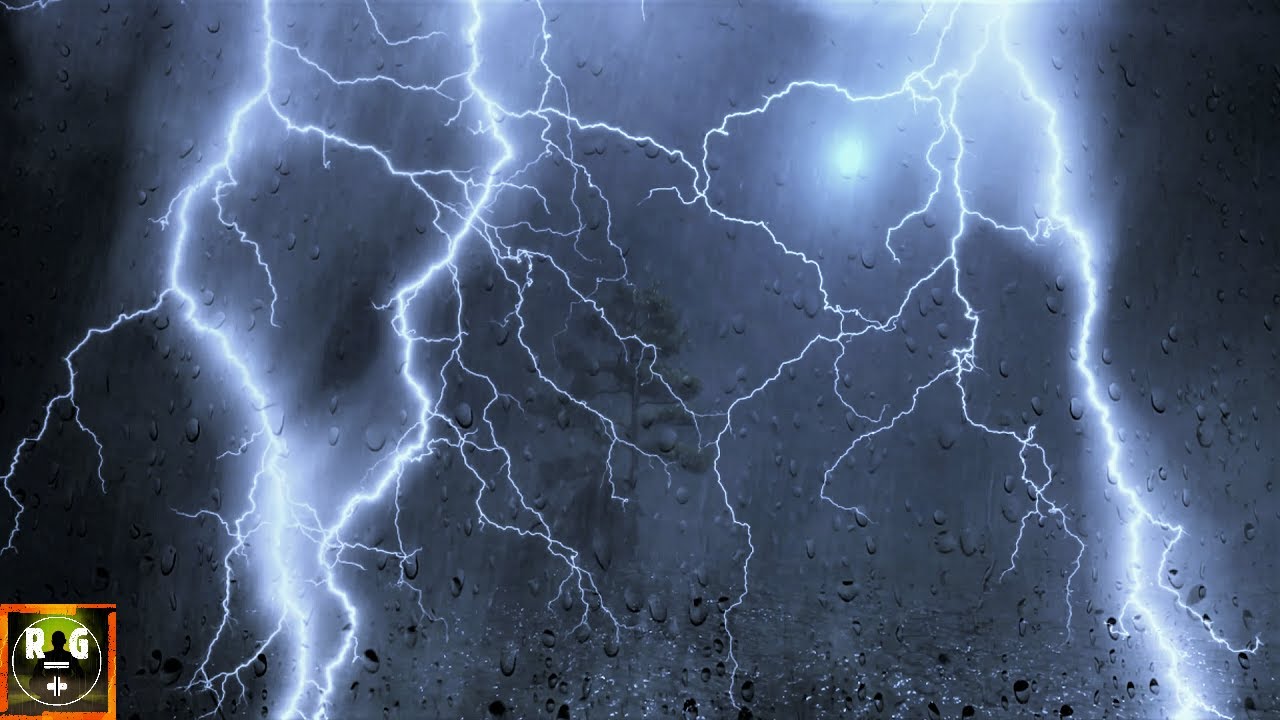
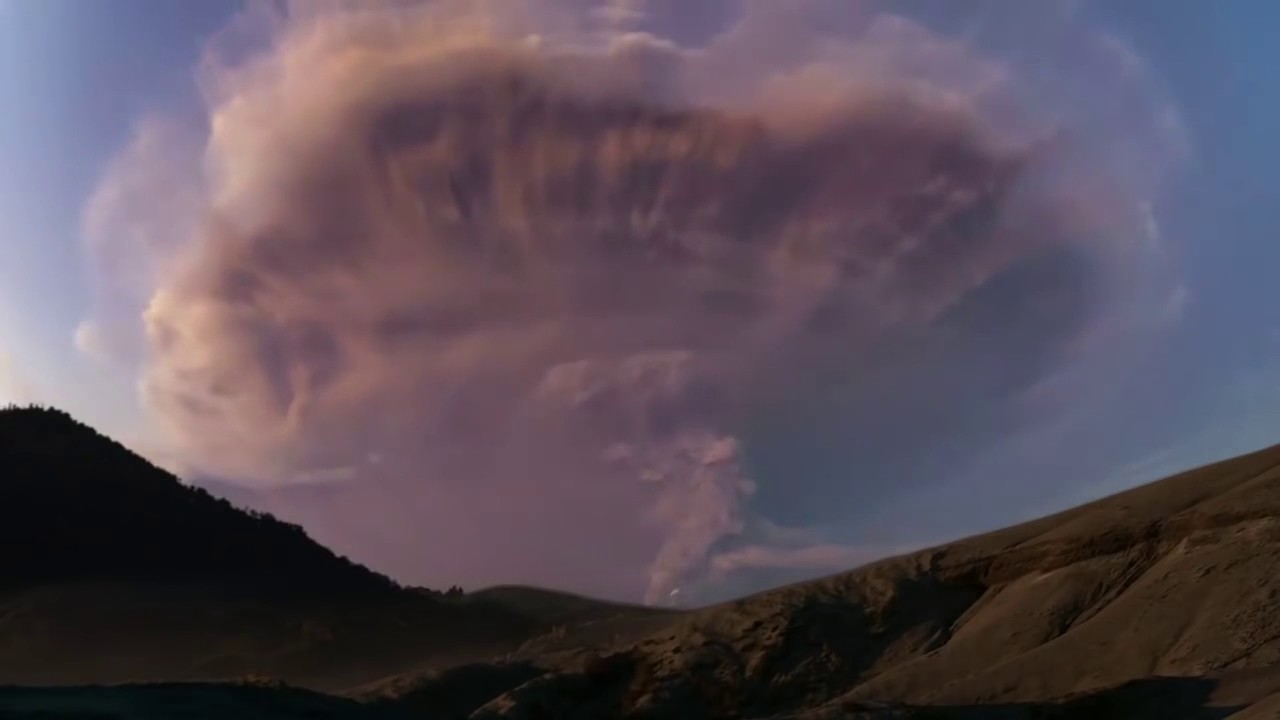
The fusion of flash with ash! Say the words aloud, together, and it sounds impossible – the kind of thing a six-year-old might think up. And yet, volcanic lightning is very real. But how does it happen?
Few phenomena can compete with the raw beauty and devastating power of a raging thunderstorm, save for a particularly violent volcanic eruption. But when these two forces of nature collide, the resulting spectacle can be so sublime as to defy reason.
The photograph above offers some important insights into the formation and study of volcanic lightning. It was taken late last month by German photographer Martin Rietze, on a visit to Japan's Sakurajima volcano. Only very big eruptions, he tells us via email, can generate major thunderbolts like the ones seen above.
PHOTOS: Eruption of Iceland's Grimsvotn Volcano
Smaller eruptions tend to be accompanied by more diminutive storms, which can be difficult to spot through thick clouds of ash. What's more, lightning activity is highest during the beginning stages of an eruption, making it all the more challenging to capture on film. Photographing a big volcanic event at any stage is hard enough as it is; if you're not nearby when it happens, says Rietze, "you will always arrive too late."
It turns out the same things that make volcanic lightning hard to photograph also make it difficult to study. The first organized attempt at scientific observation was made during Iceland's Surtsey eruption in 1963 (pictured here). The investigation was later recounted in a May 1965 issue of Science:
"Measurements of atmospheric electricity and visual and photographic observations lead us to believe that the electrical activity is caused by the ejection from the volcano into the atmosphere of material carrying a large positive charge."
Translation? Volcanic lightning, the researchers hypothesize, is the result of charge-separation. As positively charged ejecta makes its way skyward, regions of opposite but separated electrical charges take shape. A lightning bolt is nature's way of balancing the charge distribution. The same thing is thought to happen in regular-old thunderstorms. But this much is obvious, right? So what makes volcanic lightning different?
Повторяем попытку...
Доступные форматы для скачивания:
Скачать видео
-
Информация по загрузке:


![С какой скоростью движется Земля во Вселенной? [Космос 2024]](https://imager.clipsaver.ru/J-J0ls4y0Gs/max.jpg)