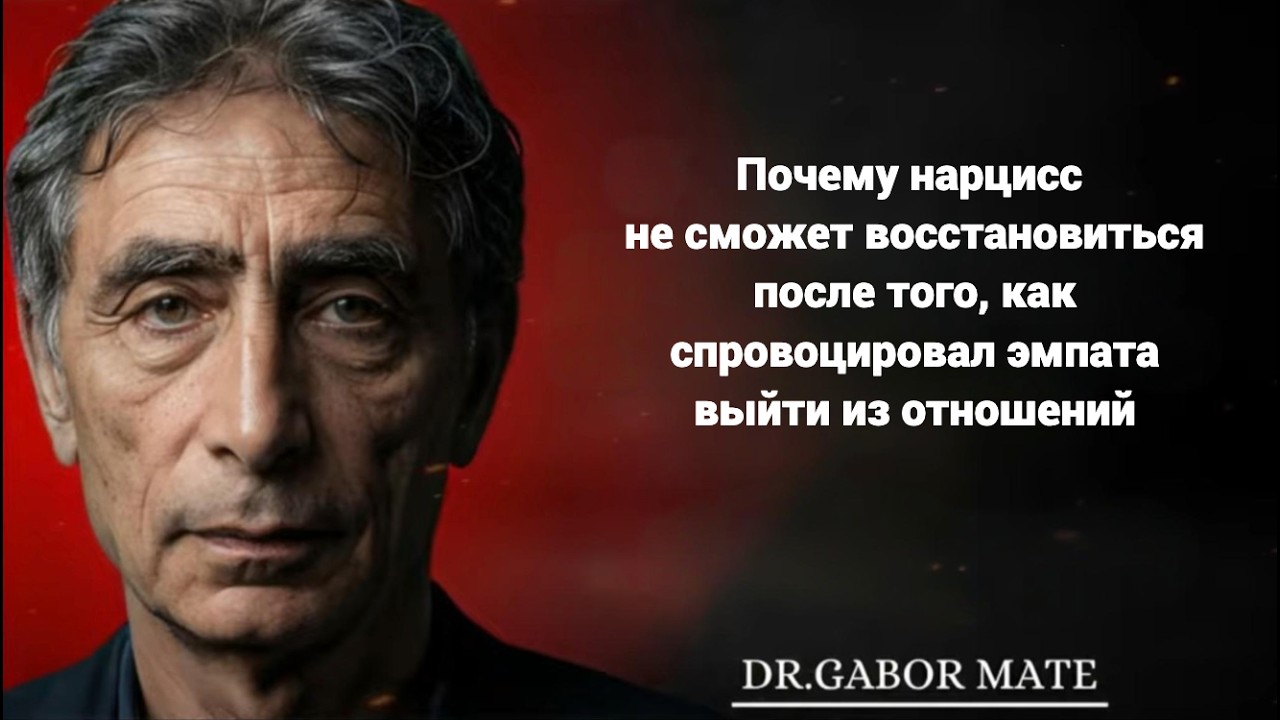
"Chandogya Upanishad" | 🕉️ The Glory of Glories | AstRawHeat
Автор: AstRawHeat 🕉️ Sanatan Dharma Simplified
Загружено: 2026-02-18
Просмотров: 53
Описание:
The **Chandogya Upanishad**, a foundational text of the Sama Veda, provides a profound exploration of the nature of existence, the power of sacred sound, and the ultimate identity between the individual Self (**Atman**) and the Universal Reality (**Brahman**). The following summary, drawn from the sources, highlights the essential teachings and narratives contained within the text.
The Primacy of Om (The Udgitha)
The Upanishad opens with an injunction to meditate on the syllable **Om**, referred to as the **Udgitha**. Om is described as the "quintessence of the essences," the supreme sound that represents the ultimate assent and the source of all prosperity. It is the bridge between the physical and the spiritual; for example, speech and Prana (life-breath) form a couple that joins in the syllable Om to fulfill desires.
The sources emphasize that actions performed with *knowledge, faith, and meditation* on Om are more effective than those done in ignorance. The commentary notes that Om contains the "Primal Word" by which all that exists was created and is sustained.
Prana: The Pure Essence
A central theme is the supremacy of *Prana* over the other senses. In a symbolic battle between gods and demons, the demons attempted to corrupt the senses (sight, hearing, smell, and mind) with evil, leading to the perception of both good and bad, truth and untruth. However, when the demons attacked the **Prana in the mouth**, they were destroyed like clay striking a hard rock.
This Prana is considered pure and free from sin, maintaining all other vital functions. The commentary further clarifies that while other senses can be "pierced with evil," Prana remains the "eldest and the best," a fact demonstrated when the senses disputed their superiority and found the body could not function without Prana, though it could survive without sight or hearing.
The Nature of Brahman and the Heart
The *Sandilya Doctrine* provides one of the most famous definitions of the Absolute: *"Verily, all this universe is Brahman"**. The sources describe Brahman as originating, sustaining, and dissolving all things. This Brahman resides within the **"lotus of the heart,"* an inner space (**Akasa**) that is as vast as the external universe, containing heaven, earth, sun, moon, and stars.
The Atman within the heart is described through paradox: it is *"smaller than a grain of paddy"* yet **"greater than all these worlds"**. One who realizes this inner Self is freed from the "human whirlpool" and the cycle of birth and death.
The Infinite (Bhuma)
In a dialogue between the sage Narada and the master Sanatkumara, Narada confesses that despite his vast academic knowledge, he lacks peace because he does not know the Self. Sanatkumara leads him through ascending levels of meditation—from Name and Speech to Will and Intelligence—culminating in the **Infinite (Bhuma)**.
The sources state that **"The Infinite is the source of joy; there is no joy in the finite"**. In the state of the Infinite, one sees, hears, and knows nothing else but the One; it is immortal and established in its own glory.
The Path of the Soul and Brahmacharya
The Upanishad outlines two paths for the soul after death:
1. *The Path of the Gods (Devayana):* Those who live in the forest with faith and austerity, or those who know the "Five Fires," reach the region of Brahman and do not return to human birth.
2. *The Path of the Fathers (Pitriyana):* Those who perform ritualistic works of public utility return to earth after their merit is exhausted, entering a cycle of rebirth based on their residual karma.
Reaching the Brahman-world requires *Brahmacharya* (continence and disciplined studenthood). The sources assert that only those who practice this discipline can cross the "boundary" of the Self to reach the light of Brahman.
Indra, Virochana, and the True Self
The final section recounts how Indra (the king of gods) and Virochana (the king of demons) sought knowledge of the Self from Prajapati.
*Virochana* mistakenly concludes that the *physical body* is the Self, a doctrine that leads to destruction.
*Indra* persists through 101 years of discipline, rejecting the idea that the Self is the body, the dream-self, or the state of deep sleep.
Ultimately, Prajapati reveals that the Self is the *"Highest Person"* who rises above physical consciousness. While the body is mortal and "held by death," the Self is the deathless, bodiless support within it, distinct from the senses and the mind. The commentary concludes that the purpose of human life is this **Self-realization**, for it is the only way to obtain "all the worlds and all desires".
Повторяем попытку...
Доступные форматы для скачивания:
Скачать видео
-
Информация по загрузке: