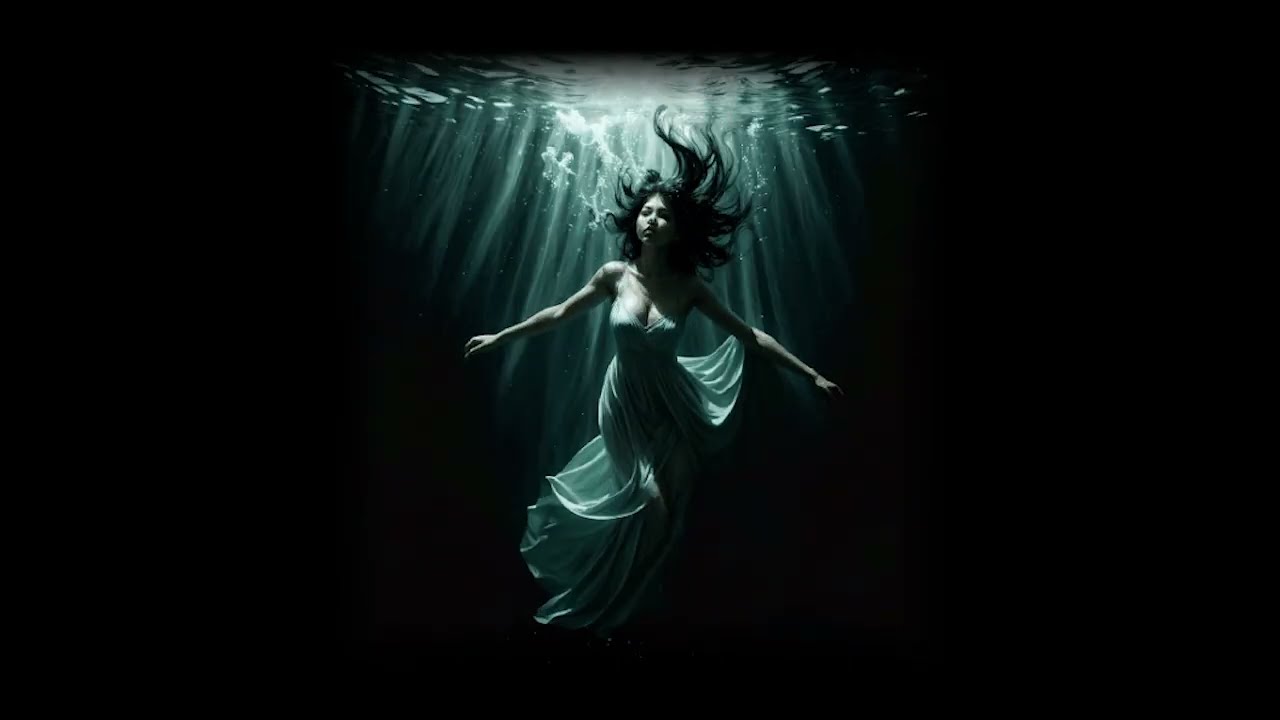
Music to welcome moons into waves (2025) for ryūteki, hichiriki, shō and gakubiwa | Daryl Jamieson
Автор: Daryl Jamieson
Загружено: 2025-07-29
Просмотров: 154
Описание:
Composed by Daryl Jamieson
Commissioned by Fabio Rambelli
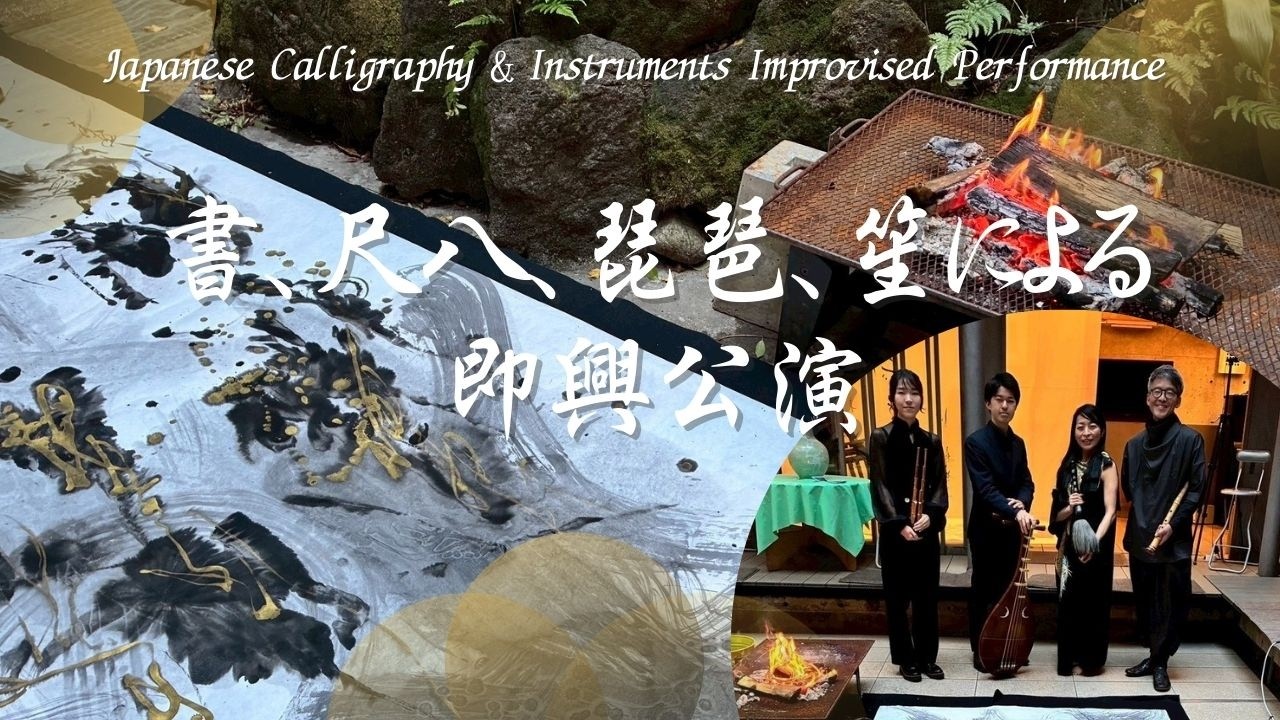
Performed by:
A. Lish Lindsey (ryūteki)
Thomas Piercy (hichiriki and ōhichiriki)
Fabio Rambelli (shō and u)
Rory Lindsay (gakubiwa)
Produced by Fabio Rambelli
Videographer: Callahan Morgan (Evokra Visuals)
Concert Film Coordinator: Joel A. Jaffe
Recording Assistants:
Danielle Carter
Joonha Chung
Nicky Hanne
Alberto Rojas
Fernanda Telles-Quintero
Mixing Engineer: Rory Lindsay
Video Editor: Sierra Gordon (Evokra Visuals)
Supported by
The Department of Religious Studies
The Department of East Asian Languages and Cultural Studies
The Shinto Studies fund at University of California, Santa Barbara
Programme Note:
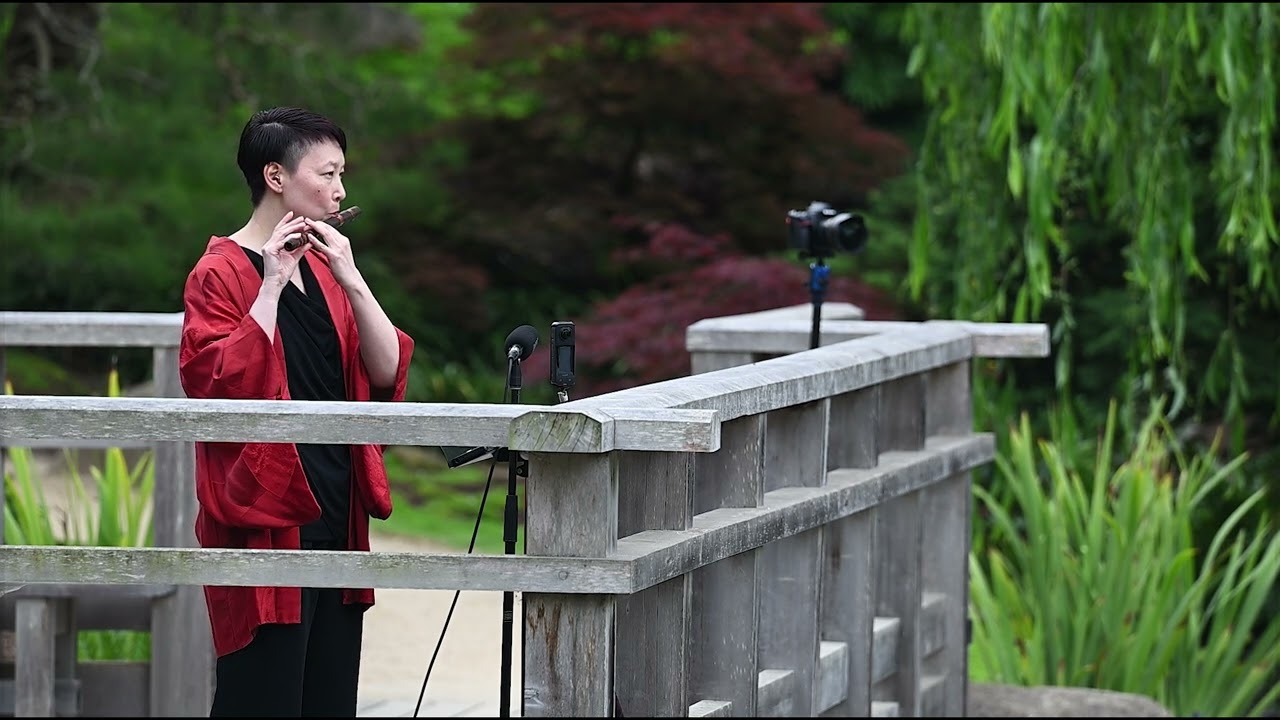
Music to welcome moons into waves (2025) is a ritualistic musical work for two - four Japanese instruments, based around mediaeval Japanese concepts of music, rhythm, perspective, and the importance of unintentional, nonhuman sounds. Performed outdoors the hour before dusk (the mediaeval Japanese Hour of the Monkey), the composed music is intended to be heard in dialogue with the surrounding sounds, human and nonhuman, as they ready themselves for nightfall.
Both moons and waves are important metaphors in East Asian Buddhist texts. A Chinese Buddhist parable called Catching the Moon’s Reflection tells of a tribe of monkeys who see the moon’s reflection in a pond and try to collectively fish it out of the pond. The monkeys symbolise the unenlightened mind grasping at – becoming attached to – reflections of reality (in other words, conventional phenomena) rather than true reality (emptiness). The impossibility of defining the boundary between waves and the ocean is used in Kegon Buddhism (or Huayan Buddhism in Chinese) to explain the relationship between all discrete things and the universe itself. Huayan master Li Tongxuan (635–730) said that ‘There is no wind on the Nature Sea, yet of itself a golden wave shimmers on its surface.’ That golden wave is understood as moonlight.
Music to welcome moons into waves continues my recent musical collaborations between the sounds of nonhumans – sentient and non-sentient beings, phenomena, and spirits local to particular places – and western classical and Japanese instruments. It is intended to be performed at a specific time (just prior to dusk) and location (around a body of water, of whatever size) to welcome the night, invite the possibility of moonlight into the waters, as well as into our perception. It is sparse, leaving room for the sounds and silences of the environment to be heard as part of the music, just as the music grows out of the surrounding sounds. The musicians are spaced apart, and the audience members are encouraged to move around, to experience the sounds from up close, farther away, and nearer to particular instruments. In this way, activated by
the sounds of these ancient instruments, the performance location can become a place which fosters and deepens the connections between each participant, each audience member and the very place and time where and when this musical ritual is performed.
—Daryl Jamieson
Повторяем попытку...
Доступные форматы для скачивания:
Скачать видео
-
Информация по загрузке: