Soil Micromorphology
Автор: Museum of Archaeology & Ethnology at SFU
Загружено: 2016-06-14
Просмотров: 1487
Описание:
Soil Micromorphology
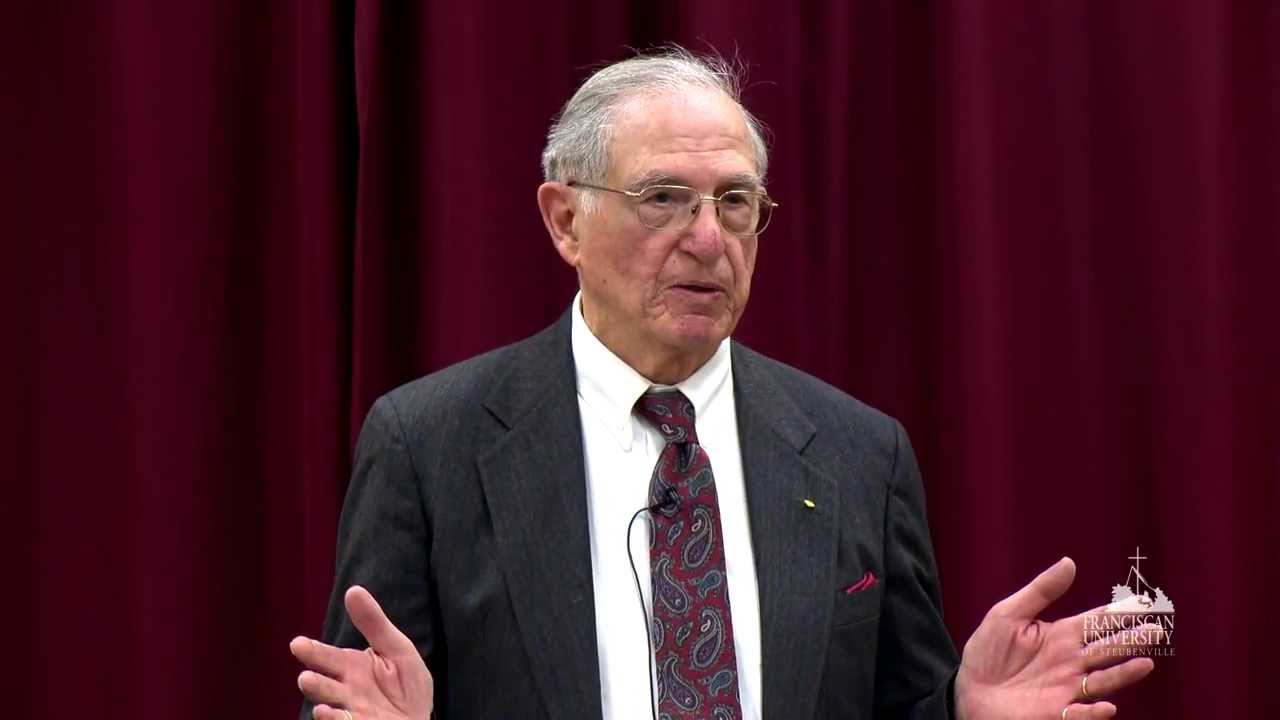
Dr. Paul Goldberg, Department of Archaeology, Boston University
"My own experience with the site itself dates back to the early mid-1990’s where Jim Adovasio and a colleague of his, now retired, Jack Donahue who was a geologist at the University of Pittsburgh collaborated together during the excavation of the site. Jack asked me to come and use a certain technique that I’ve been doing the last ten or fifteen years called soil micromorphology (I’ll explain that in a second) and tried to apply that to analyze the sediments at Meadowcroft and evaluate some of these claims for contamination or what’s the integrity of the archaeological material and the integrity of the geological material as well. Has the stuff been moved or trampled or modified by post depositional changes of dripping water or contamination by coal and other organic material that’s inside coming from the bedrock.
So, I agreed, of course, because I didn’t want to pass an opportunity to work at Meadowcroft which, at the time, excavations in the mid-nineties had ceased, but the site was very well protected. Now, it’s apparently been very well protected and it’s open to the public for visits and people can go visit it. (Maybe in the Fall or something or one of these years I’ll get a chance to see the new excavations or the new preparations for everything).
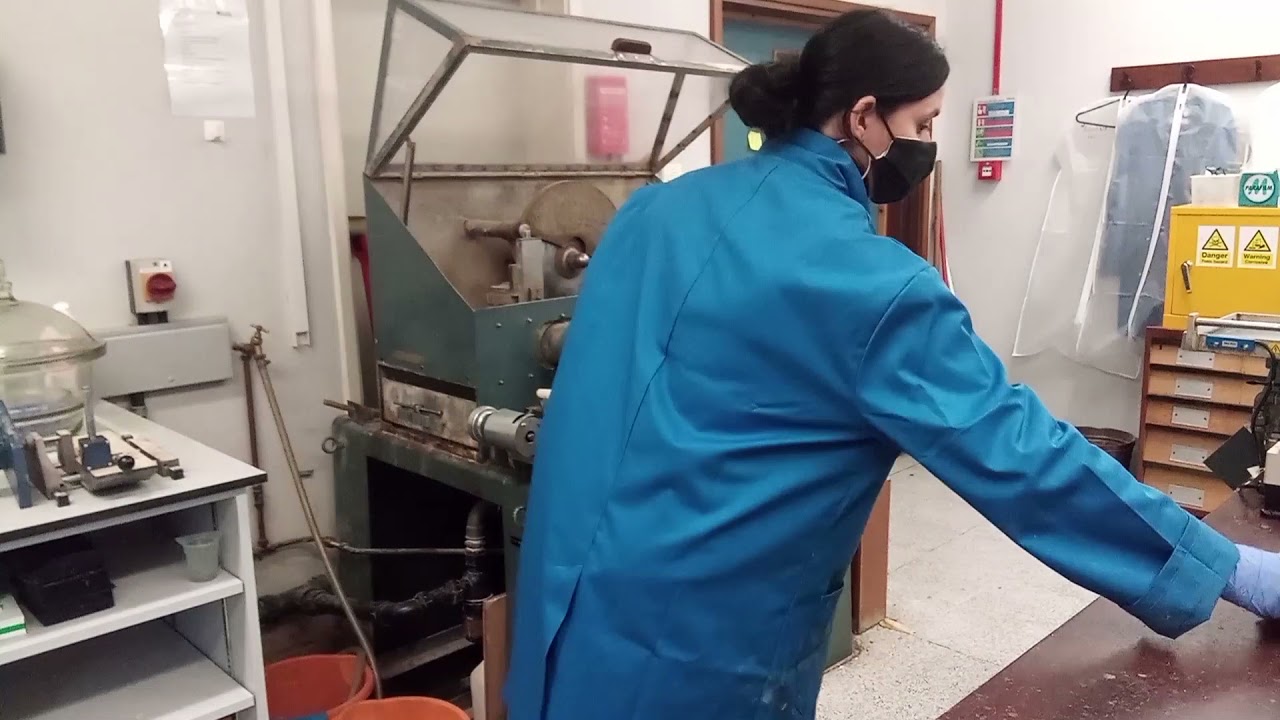
In any case, I went there and the strategy that I used is soil micromorphology and poised the sampling in situ intact blocks of the sediment and the soil around the sediment and the rocks themselves. This method allows us to remove a block of the sediment and preserve it somehow, however we encase it in plaster or something like that, and take it back to the laboratory. We can then dry it out and embed it with polyester resin...sort of boat resin kind of material. We harden the block up and then saw it and treat it like a rock and make what we call a petrographic thin section out of this sediment.
The technique in geology has been around for 150 years already, but the application of these thin sections in soil micromorphology to archaeology has only been around for, let’s say, the last thirty years really and even less. So, this was a chance to sort of apply this technique, look at these intact deposits and see if we can detect how the deposits got there and if there are any postal positional changes or modifications that would produce these seemingly old dates. In that way the results could contribute to the sort of laying to rest or trying to finalize where Meadowcroft Rock Shelter fits into the geological setting at the site and, on a more larger level, I would say how it contributes to the peopling of the New World. Because if the dates turn out to be that old, thirteen, sixteen thousand then it clearly means that people came from the West some place long before clovis dates which are significantly a few thousand years younger than that.
So, after collecting the samples and going back to the micromorphology laboratory at Boston University, where I normally work, we analyzed these thin sections and we couldn’t see anything on the order of contamination or any reasons to suggest why this material, the sediment, should not yield and the materials that they pulled out of the sediment should yield anything that’s not accurate dates. At the same time, we couldn’t see any evidence for secondary organic matter that would have been leeched from the coal in the bedrock that would have contaminated the sediment. So, based on our analyses, which Adovasio very nicely sites in his book, he thought that this basically put the lid on the topic.
That’s basically where it is right now, as far as I know. There are probably still people who don’t believe in it and never will. I personally don’t care when people came to the New World, but we just want as scientists to make sure we have the evidence right and that we can justify any conclusions and interpretations we make based on sound data that we have and that is collected in an impartial way."
Повторяем попытку...

Доступные форматы для скачивания:
Скачать видео
-
Информация по загрузке: