Dolphin Trapped In Drying Lagoon—47 Volunteers Did The Impossible
Автор: Animal First Responders
Загружено: 2026-02-09
Просмотров: 56
Описание:
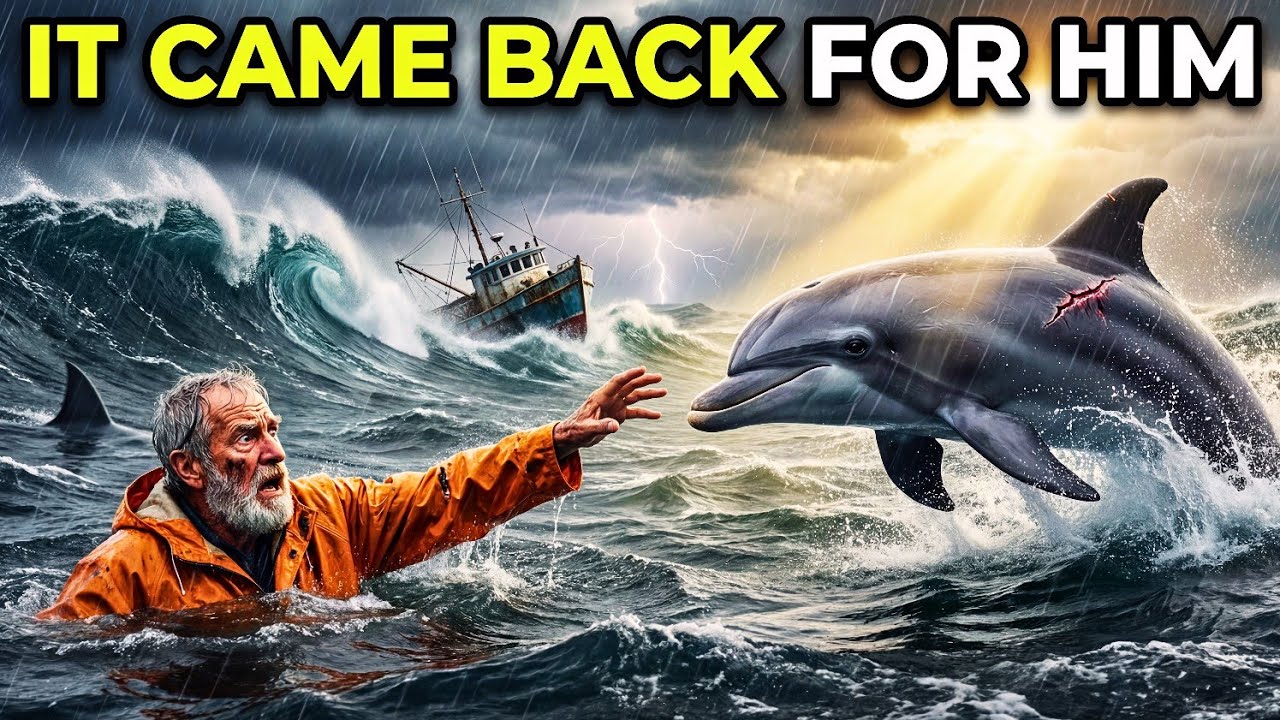
A young bottlenose dolphin became trapped in a coastal lagoon when the tide went out. The water was evaporating at 3 inches per hour. Marine biologists said she had maybe 2 hours to live.
But Maya Rodriguez refused to accept that.
What followed was an 18-hour rescue operation involving 47 volunteers, 200 gallons of seawater, fire department pumps, and an engineering solution that had never been attempted before: creating an artificial river to guide Luna back to the ocean.
This is the story of a race against time, against nature, against every biological limit that said this dolphin was already lost. It's about ordinary people who became heroes when they decided that one life was worth everything they had.
⏱️ TIMELINE:
0:00 - The 5:43 AM Emergency Call
1:30 - Maya's Race Against Time
3:00 - First Contact With Luna
5:00 - The Crisis Deepens
6:30 - 47 Volunteers Arrive
8:15 - Critical Point: She's Running Out Of Time
10:00 - The Impossible Solution
11:45 - Moving A 350-Pound Dolphin
13:00 - The Long Walk To Freedom
14:30 - Luna Swims Home
🐬 ABOUT LUNA:
Species: Bottlenose dolphin (Tursiops truncatus)
Age: Approximately 2-3 years old (juvenile)
Weight: ~350 pounds
Distinctive marking: Half-moon shaped mark on dorsal fin
Current status: Thriving in the wild, spotted multiple times with her pod
⚠️ THE SCIENCE:
Dolphins can typically survive out of water for only 2 hours maximum if kept wet and cool. After that:
Skin begins to crack and dry
Body temperature rises dangerously (normal: 97°F, critical: 103°F)
Organs begin to fail
Sunburn can cause permanent damage
Luna was stranded for 18+ hours—defying every biological expectation.
🔧 THE INNOVATION:
The "tarp channel" technique developed during this rescue has since been used in 4 other successful dolphin strandings worldwide. The method involves:
1. Creating a waterproof pathway using overlapping tarps
2. Pumping ocean water through the channel
3. Floating the dolphin through shallow areas
4. Minimizing stress and physical trauma
👥 THE VOLUNTEERS:
All 47 volunteers remained anonymous, saying simply: "We did what anyone would do."
Among them:
Local fishermen who knew the tides
The volunteer fire department
Café owners who provided supplies
Tourists who stayed to help
Children who carried water in beach buckets
🏥 ABOUT MAYA RODRIGUEZ:
Marine biologist with 12+ years experience in marine mammal rescue. After Luna's rescue, Maya developed training protocols for coastal communities on dolphin stranding response. Her work has educated hundreds of potential first responders.
🌊 POST-RESCUE MONITORING:
Luna was tracked by marine biologists for 3 months following her rescue:
Day 1: Swimming with pod, normal behavior
Week 1: Feeding independently
Month 1: Full integration with wild pod
Month 3: All vital signs normal, no long-term damage
Current: Still spotted occasionally, healthy and thriving
💔 WHY THIS MATTERS:
Dolphin strandings are increasing due to:
Climate change affecting tides
Coastal development changing lagoon patterns
Noise pollution disorienting marine mammals
Shifting sandbar formations
This rescue proved that community response can save lives when rapid action is taken.
🔔 SUBSCRIBE for incredible animal rescue stories that prove miracles happen when communities unite. We share the rescues that seem impossible—the ones that restore your faith in humanity.
💬 SHARE this video with anyone who needs to remember that:
One life matters, no matter how small
Impossible is just a word
Communities can move mountains (or oceans)
#DolphinRescue #MarineRescue #AnimalRescue #WildlifeRescue #OceanConservation #MarineBiology #DolphinStranding #CommunityHeroes #NeverGiveUp #RescueStory #WildlifeSOS #SaveOurOceans #MarineLife
---
⚠️ IF YOU FIND A STRANDED MARINE MAMMAL:
1. CALL IMMEDIATELY: Contact local marine rescue hotline
2. DO NOT TOUCH: Without expert guidance, you can cause harm
3. KEEP DISTANCE: Stressed animals can injure people
4. PROVIDE SHADE: Use umbrellas/tarps but don't touch the animal
5. KEEP WET: Pour water on body ONLY if instructed by experts
6. NEVER RETURN TO WATER: Stranded animals often have underlying issues
One dolphin. One community. One impossible day.
And proof that when we refuse to give up, miracles happen.
© Animal First Responders 2026
Повторяем попытку...

Доступные форматы для скачивания:
Скачать видео
-
Информация по загрузке: