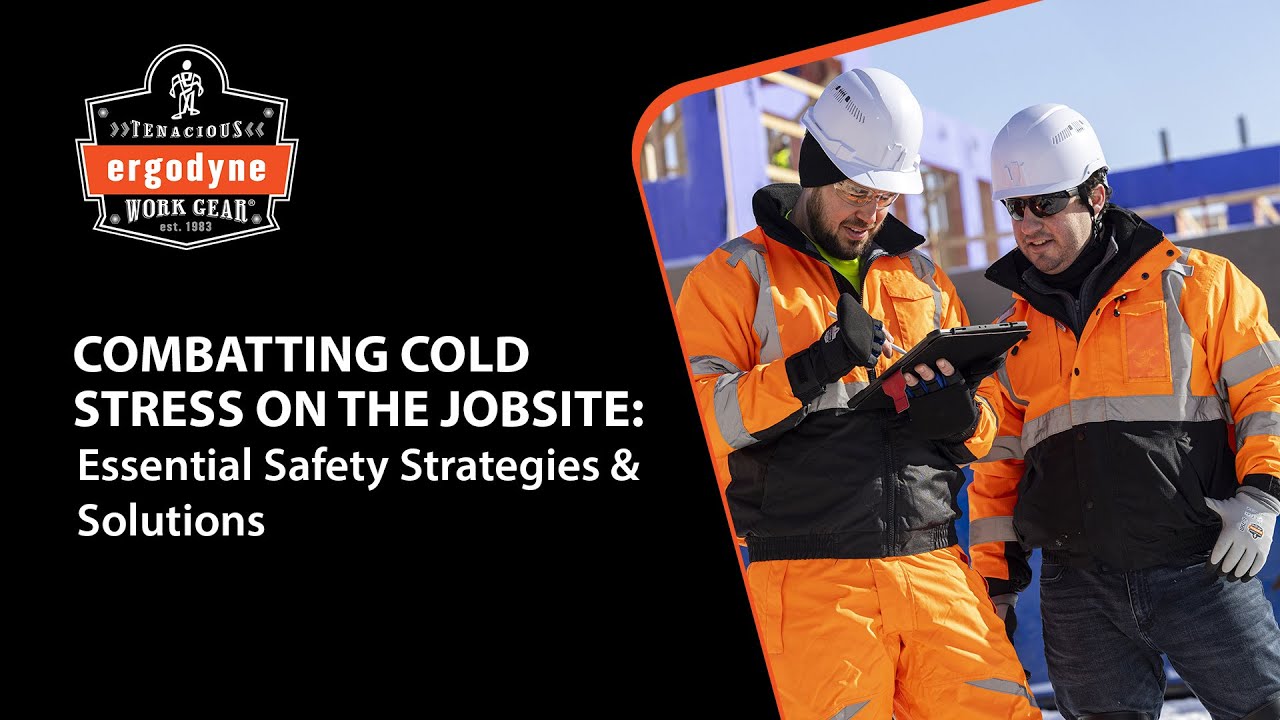
Combatting Cold Stress on the Jobsite: Essential Safety Strategies & Solutions
Автор: Safeopedia
Загружено: 2024-11-07
Просмотров: 168
Описание:
To earn CEUs for this webinar, join the Safeopedia Community at https://members.safeopedia.com
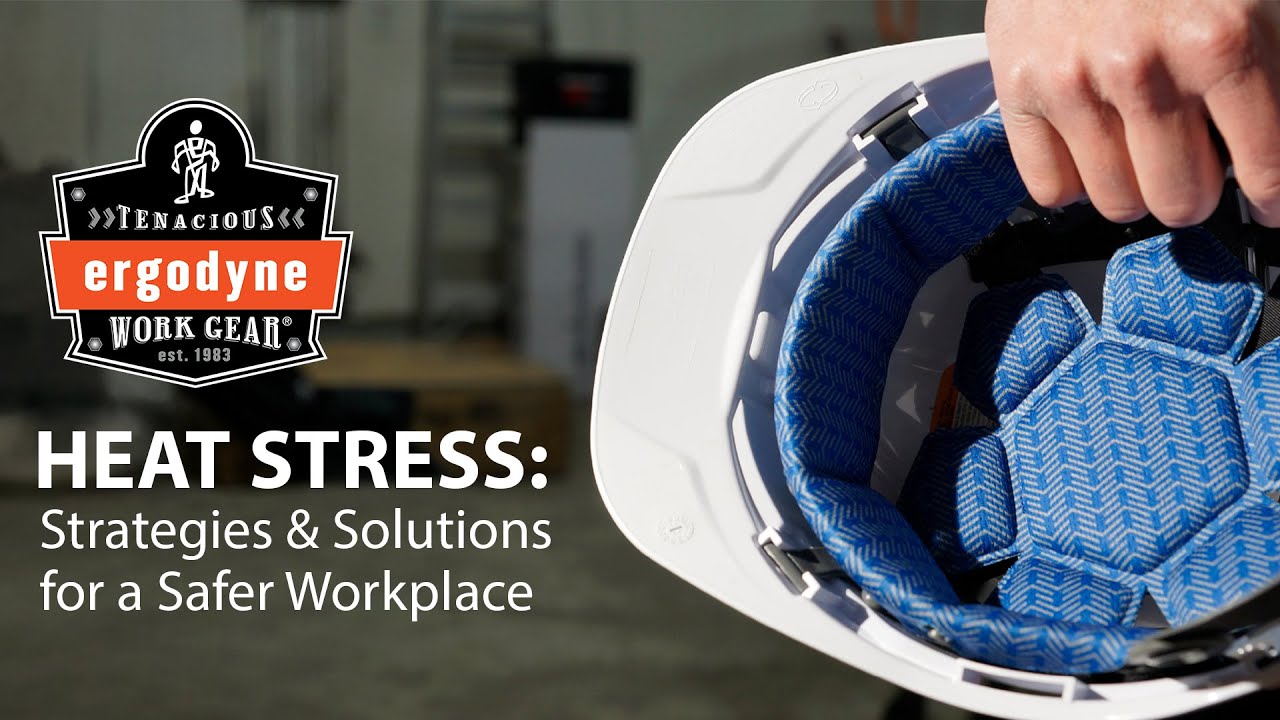
Cold stress poses serious risks to outdoor workers, particularly in construction, agriculture, and other high-exposure industries. In a recent Safeopedia webinar, Claudia Weber from Ergodyne shared essential information on recognizing and preventing cold stress.
What is Cold Stress?
Cold stress occurs when the body can’t maintain its core temperature, risking hypothermia, frostbite, and dehydration. Hypothermia is especially dangerous, occurring when body temperature drops below 95°F. Frostbite typically affects extremities, while dehydration is often overlooked in cold weather but remains critical.
Recognizing Cold Stress Symptoms
Key symptoms include:
Visible: Blue skin, intense shivering, slower heart rate
Subtle: Confusion, unsteady movements, enlarged pupils
Workers should monitor themselves and coworkers for any signs of distress in cold conditions.
Prevention Strategies
Layering and PPE: Effective layering includes a moisture-wicking base, insulating mid-layer, and an outer waterproof jacket. Ergodyne offers high-visibility and insulated options for workers requiring added visibility.
Traction Devices: To prevent slips, choose appropriate footwear traction—spiked devices for icy conditions and spikeless for mixed indoor-outdoor work.
Hydration and Breaks: Staying hydrated, even in the cold, helps prevent dehydration. Take frequent breaks to warm up and maintain alertness.
OSHA Recommendations
Although OSHA lacks specific cold stress regulations, they recommend protective measures under the General Duty Clause, which mandates safe working conditions. Key OSHA suggestions include three-layer dressing, face coverings, and insulated gloves and boots.
Key Takeaway
Preparation is crucial—equip workers with appropriate PPE, stay vigilant about symptoms, and adjust work hours when possible to reduce exposure. Prevention and early response can significantly lower the risks posed by cold stress.
Claudia’s main point: don’t wait until the cold hits to start preparing. A proactive approach to PPE and training can prevent serious health issues on the job.
Повторяем попытку...
Доступные форматы для скачивания:
Скачать видео
-
Информация по загрузке: