Archaeologists Still Can’t Explain This 12,000-Year-Old Structure
Автор: Echoes of Forgotten Mysteries
Загружено: 2026-02-23
Просмотров: 6
Описание:
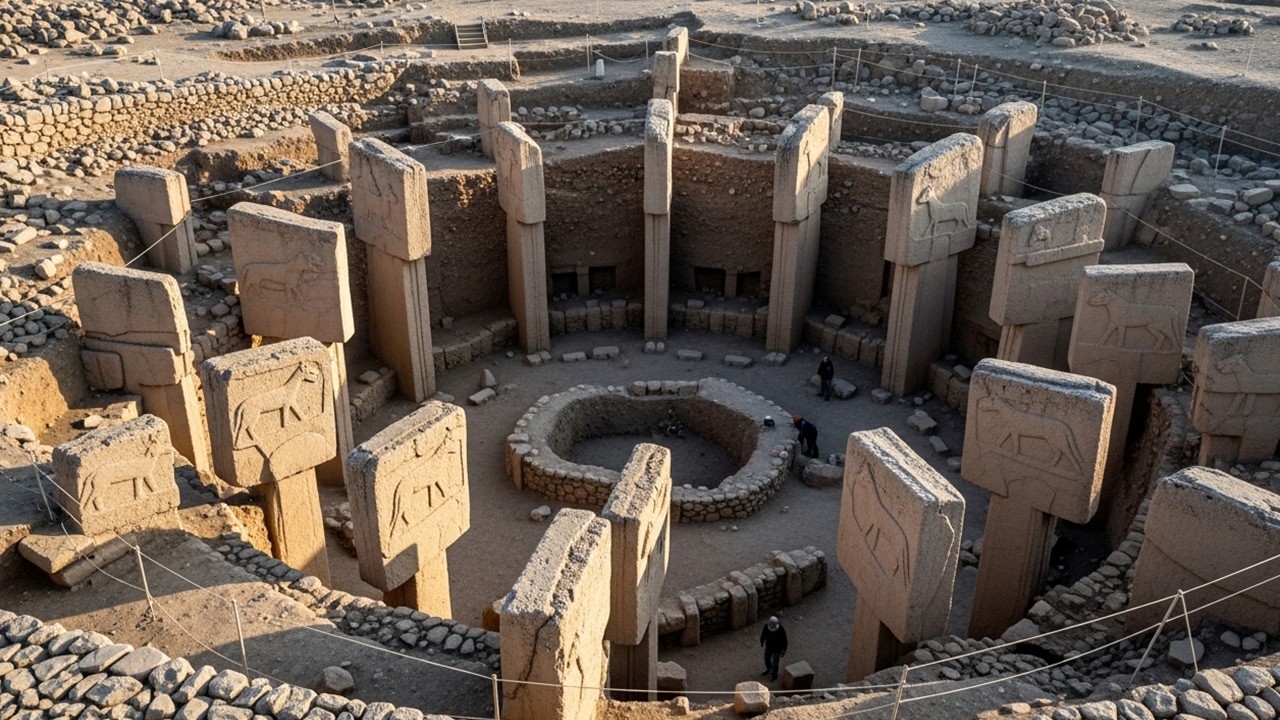
Göbekli Tepe, situated in southeastern Turkey near the modern city of Şanlıurfa, is widely regarded as one of the most groundbreaking archaeological discoveries of the last century. Radiocarbon dating places the earliest layers of the site at around 9600 BCE, making it more than 12,000 years old. This astonishing timeline means Göbekli Tepe predates Stonehenge by roughly six millennia and the Egyptian pyramids by nearly seven thousand years. Its existence has forced historians and archaeologists to rethink the accepted narrative of how and when civilization began.
For much of modern scholarship, the standard theory suggested that agriculture came first. Farming allowed humans to settle permanently, which then led to organized religion, monumental construction, and complex society. Göbekli Tepe appears to reverse that order completely.
The site consists of massive circular enclosures built from towering T-shaped limestone pillars. Some of these pillars reach over five meters in height and weigh up to twenty tons. They are not crude stones placed randomly. They are carefully shaped, positioned with geometric precision, and decorated with detailed carvings of animals such as foxes, snakes, vultures, and wild boars. Abstract symbols and stylized human features also appear, suggesting a symbolic or ritual purpose that researchers are still trying to interpret.
What makes the discovery even more remarkable is the identity of its builders. At the time Göbekli Tepe was constructed, there is no clear evidence that the surrounding communities practiced agriculture. These were hunter-gatherer groups, operating without metal tools, without pottery in the earliest phases, and without writing. Yet they were able to quarry enormous stone blocks, transport them across uneven terrain, and erect them in coordinated architectural layouts that demonstrate advanced planning and organization.
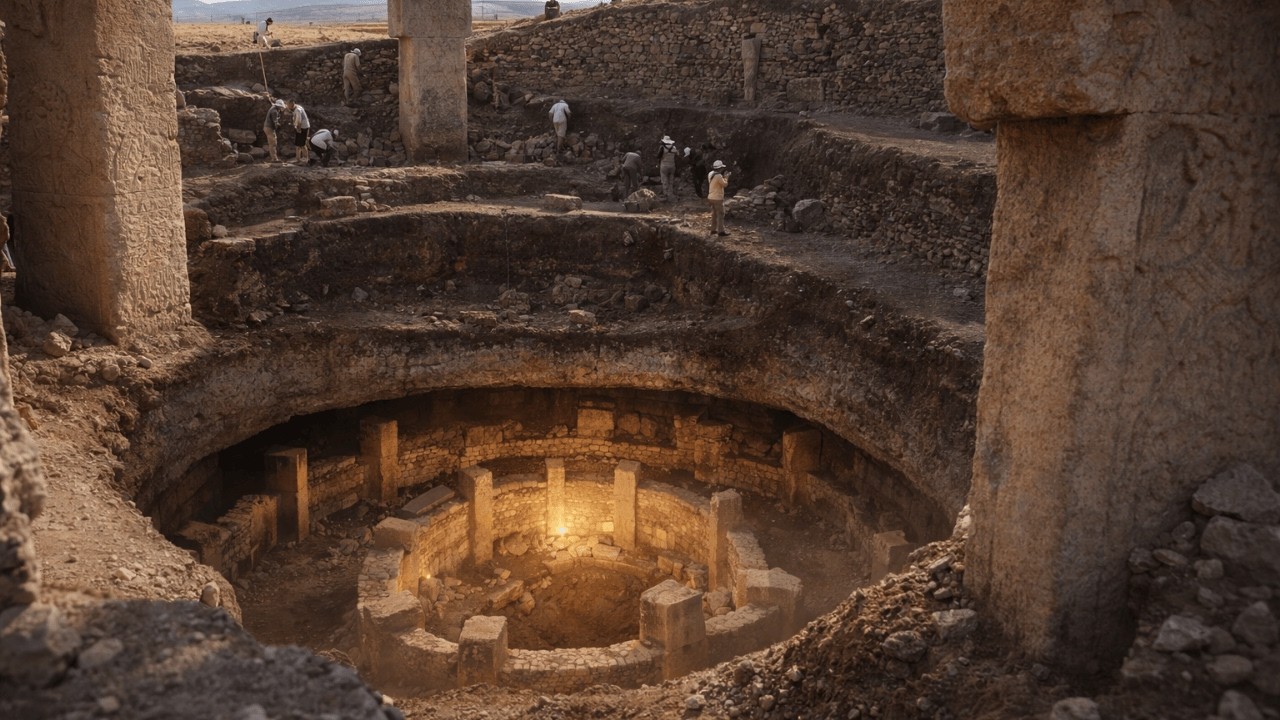
Equally mysterious is the fate of the site. After centuries of use, the enclosures were deliberately buried. Soil, rubble, and debris were intentionally packed around the pillars, preserving them for thousands of years. This was not an accidental collapse. It was a conscious act. The reason for this burial remains one of the greatest unanswered questions in archaeology.
Ongoing excavations and modern scanning technologies suggest that much of Göbekli Tepe still lies hidden beneath the surface. Each new discovery adds to the complexity of the site and deepens the mystery.
Göbekli Tepe does more than challenge timelines. It challenges assumptions about human capability, social organization, and the very origins of civilization itself.
Повторяем попытку...
Доступные форматы для скачивания:
Скачать видео
-
Информация по загрузке: