The Education of a General | The Paper Trail
Автор: George C. Marshall Foundation
Загружено: 2020-10-17
Просмотров: 986
Описание:
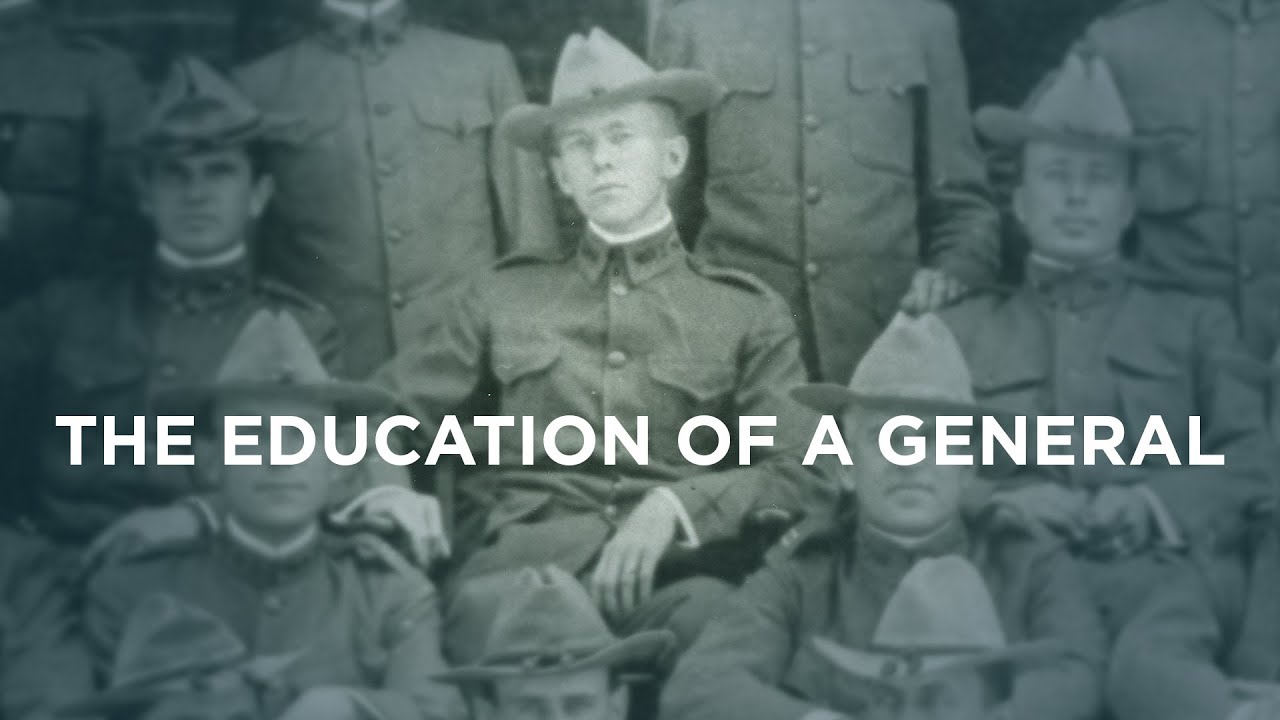
On this episode of The Paper Trail, we’re taking a look at an early but important stage of George Marshall’s career. The Command and General Staff College at Fort Leavenworth, KS, is the graduate school for U.S. Army officers, and it is important education for career officers like 2nd Lt. George Marshall. In a 1957 interview with his biographer, Forrest C. Pogue, Marshall recounted:
“We had a competition in the Post School for the Leavenworth detail and I had always come out [number] one [for] two years, but I was never given it. It always went to some higher ranking officer, none of whom did at all well, and all of whom came back with many criticisms and attacks on the Leavenworth procedure. The third year nobody put in for it; and they sent a list around later on account of an inquiry from regimental headquarters. It developed afterwards that I was the only one that put down `yes,’ that I wanted to go, and therefore I got the detail.”
Marshall’s wife, Lily, joined him at Fort Leavenworth in the fall. There were only a few lieutenants at the school; most students were senior captains and majors, and the post was short family housing:
"We lived in bachelor quarters, which wasn't so satisfactory for a married couple, but it was all we could rank for."
In the library just as school began, Marshall heard two classmates talking about the lucky few who would stay and attend Staff College the following year. For career officers, the first year of schooling at Ft. Leavenworth was just the beginning. Being chosen to stay a second year and attend Staff College was vital to be considered for later attendance at Army War College and the opportunity to be promoted to general officer.
“My classmates left me out entirely of the estimate of who was going to be in next year's Staff Class. I knew I would have to study harder than I had ever dreamed of studying before in my life. I just worked day and night.” He recounted that he tended to fall asleep during late-night study sessions, so he would “get up and shine my boots in order to wake up. So I had very shiny boots at that early period.” Marshall finally developed good study habits, which he’d never had before. He said his time as a student at Fort Leavenworth “was the hardest work I ever did in my life.”
When grades came out at the end of the year, the remarks on Lt. George Marshall’s Efficiency Report read “An exceptionally bright, capable young officer of much promise. Very conscientious and attentive to his duties in every particular. An excellent pains-taking student: excellent morals, quiet and unassuming. Graduated No. 1, Infantry and Cavalry Class, 1906-1907.”
Marshall stayed on for that all-important second year of Staff College at Fort Leavenworth. His Efficiency Report at the end of the second year said, “Lieutenant Marshall has one of the best minds I know. He is mentally very mature for his years. Possesses tact and good judgment. A most promising officer.”
He was promoted to 1st lieutenant and invited to stay on two more years as an instructor of engineering at the Staff College.
Lt. Marshall was far junior to his students – most of whom were senior captains and majors. "It made it a little ticklish. The great majority, I think, of the division commanders in the First World War were there as students when I was an instructor.”
As an instructor, when the academic year ended at Fort Leavenworth, instructors were expected to share education and experience with National Guard units that were not able to send part-time officers to the Staff College. Marshall spent the summers of 1909-1911 working with National Guard units, which was terrific practice for his federalization of National Guard units in preparation for World War II.
Повторяем попытку...
Доступные форматы для скачивания:
Скачать видео
-
Информация по загрузке: