Fire alarm |How to design Fire Alarm System for a Beginner's.
Автор: Rakesh MEP Consultant
Загружено: 2022-08-24
Просмотров: 609
Описание:
Fire Alarm Design for Beginner's | Digital Fire Alarm Design training course in Bangalore
#firealarm
#mepdesigning #mep #firealarmdesign #firealarmforbasic
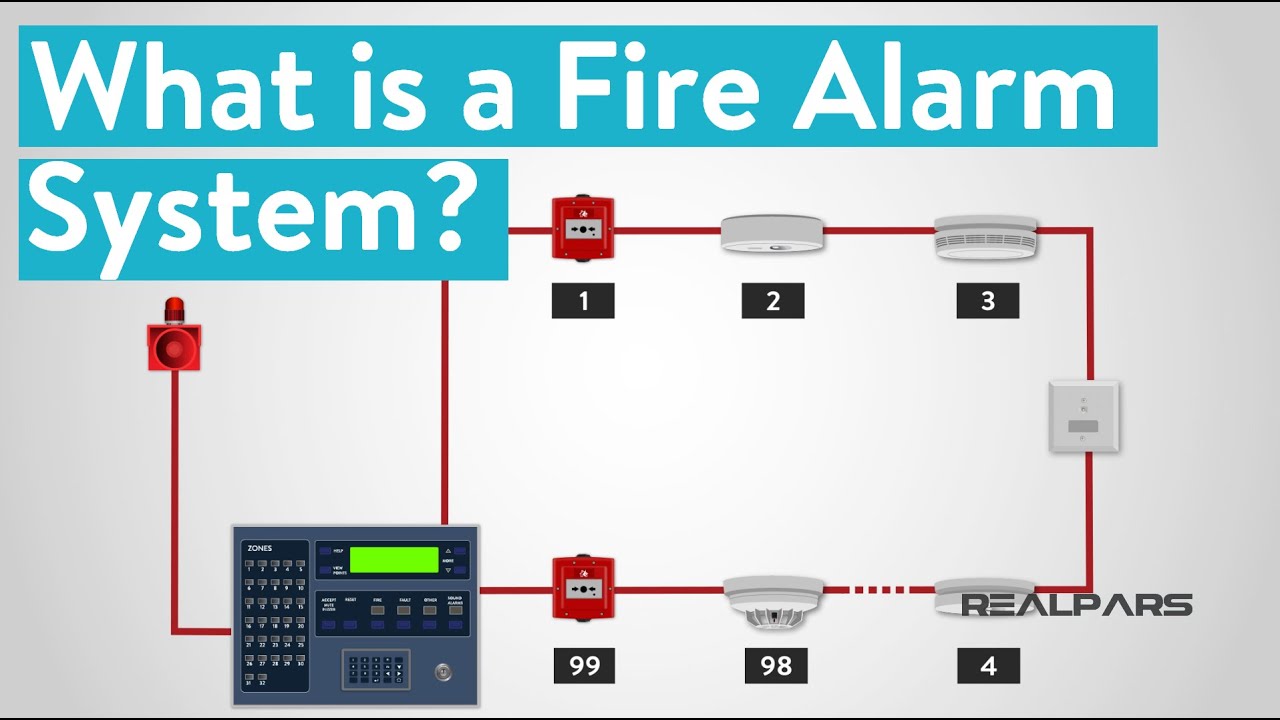
Fire Alarm System: Fire Alarm Systems are designed to alert us to an emergency so that we can take action to protect ourselves, staff and the general public.
In this video, we will have a look at the structure and types of the “Fire Alarm Systems”.
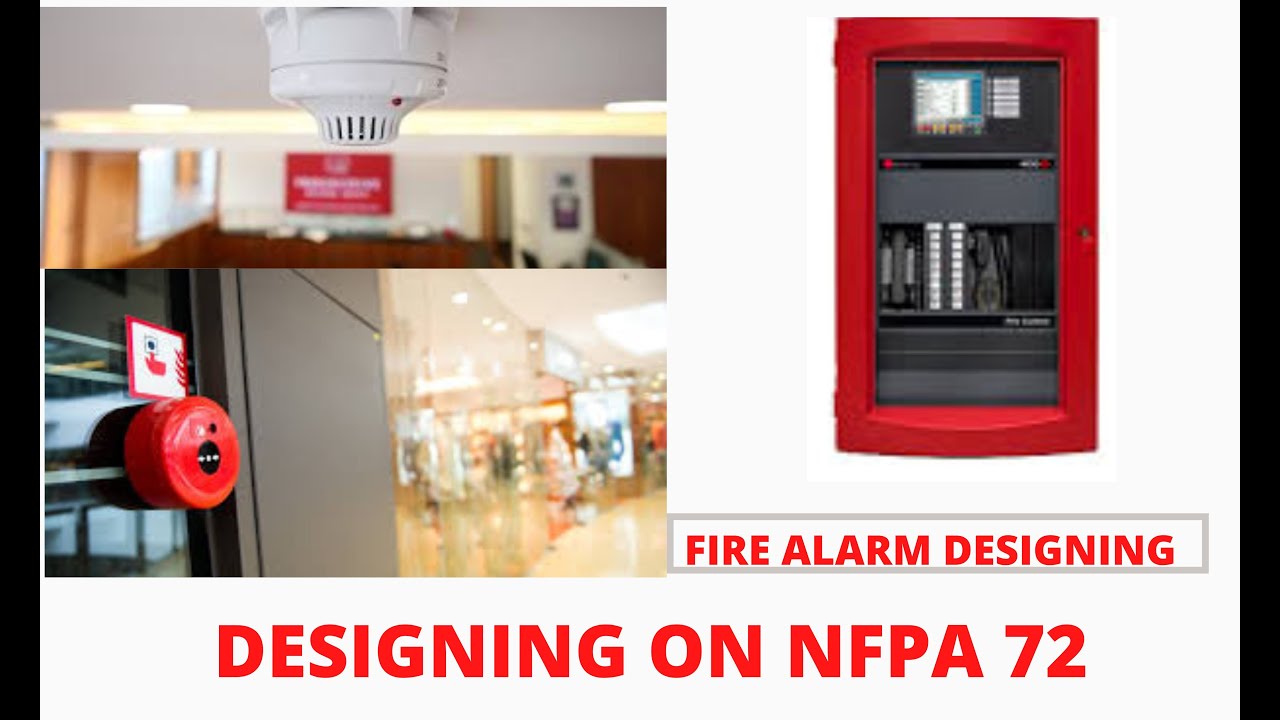
The “Brain” of the system is the Fire Alarm Control Panel. It is the central hub for all of the detector signals to be wired to and provides a status indication to the users.
There are a wide array of different types, but we can divide them into groups including Heat detectors, Smoke detectors, Carbon Monoxide detectors, Multi-sensor detectors, and Manual Call Points.
A Heat detector can either work on a fixed temperature basis, where it will trigger an alarm if the temperature exceeds a pre-set value or they can work on the rate of change in temperature.
There are three basic types of smoke detectors including Ionization, Light Obscuring, and Light Scattering.
In the Light obscuring smoke detector, smoke interferes with a light beam between a light source and photocell. The photocell measures the amount of light it receives.
The variation in photocell output is being used to initiate an alarm. This type of detection can be used to protect large areas with the light source and photocell positioned some distance apart.
The light scattering smoke detector operates on the Tyndall effect; a photocell and light source are separated from each other by a darkened chamber such that the light source does not fall on the photocell.
The photocell output is being used to initiate an alarm.
Carbon monoxide detectors are known also as CO fire detectors and are electronic detectors used to indicate the outbreak of fire by sensing the level of carbon monoxide in the air.
The Multi-sensor detectors combine inputs from both optical and heat sensors and process them using a sophisticated algorithm built into the detector circuitry.
When polled by the control panel the detector returns a value based on the combined responses from both the optical and heat sensors. They are designed to be sensitive to a wide range of fires.
A Manual Call Point or Break Glass Call Point is a device which enables personnel to raise the alarm by breaking the frangible element on the fascia; this then triggers the alarm.
Fire Alarm Systems can be broken down into four main types; “Conventional”, “Addressable”, “Intelligent Fire Systems” and “Wireless Systems”.
The detection principle of an Addressable System is the same as a Conventional System except that each detector is given a set Address (usually by means of a dip-switch) and the Control Panel can then determine exactly which detector or call point has initiated the alarm.
A Heat detector can either work on a fixed temperature basis, where it will trigger an alarm if the temperature exceeds a pre-set value or they can work on the rate of change in temperature.
There are three basic types of smoke detectors including Ionization, Light Obscuring, and Light Scattering.
In the Light obscuring smoke detector, smoke interferes with a light beam between a light source and photocell. The photocell measures the amount of light it receives.
The light scattering smoke detector operates on the Tyndall effect; a photocell and light source are separated from each other by a darkened chamber such that the light source does not fall on the photocell.
The photocell output is being used to initiate an alarm.
Carbon monoxide detectors are known also as CO fire detectors and are electronic detectors used to indicate the outbreak of fire by sensing the level of carbon monoxide in the air.
Carbon Monoxide fire detectors use the same type of sensor as those in the home but are more sensitive and respond more quickly.
Carbon monoxide detectors have an electrochemical cell, which senses carbon monoxide, but not smoke or any other combustion products.
The Multi-sensor detectors combine inputs from both optical and heat sensors and process them using a sophisticated algorithm built into the detector circuitry.
FAS Syllabus:
▪ Introduction to Fire Alarm
▪ Different stage of Fire.
▪ Introducing Fire dynamics.
▪ VESDA – Very Early smoke detection Apparatus.
▪ Different type of detector.
▪ Distance and Height of installation of detectors.
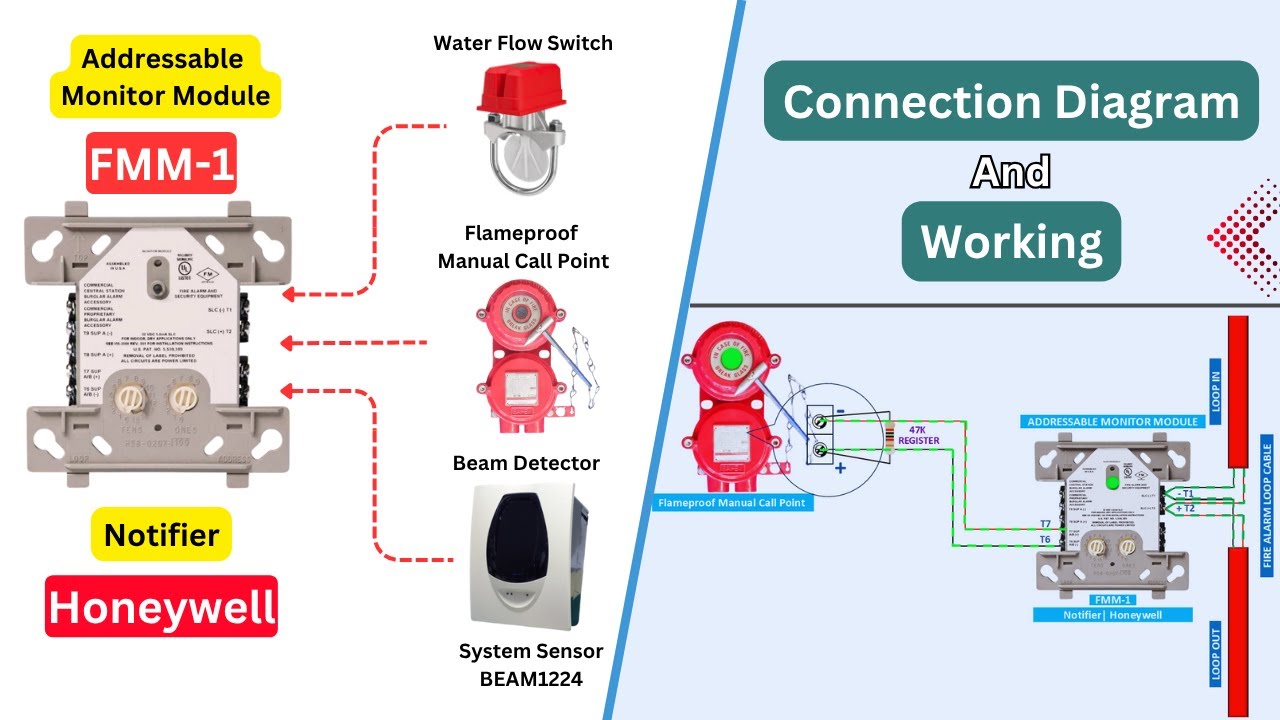
▪ Different type of Modules.
▪ Conventional Fire Alarm system.
▪ Addressable Fire Alarm system.
▪ Hybrid Fire Alarm system
▪ Cable used in Fire Alarm.
▪ Type of topology.
▪ Fire Alarm.
▪ Hooter.
▪ Manual Call Point MCP
▪ Designing of FA system.
▪ BOQ preparation of Fire alarm.
▪ Public Addressable.
▪ Amplifier and Console details.
▪ Designing of PA system
▪ Bill of Quantities for PA system.
Повторяем попытку...
Доступные форматы для скачивания:
Скачать видео
-
Информация по загрузке: