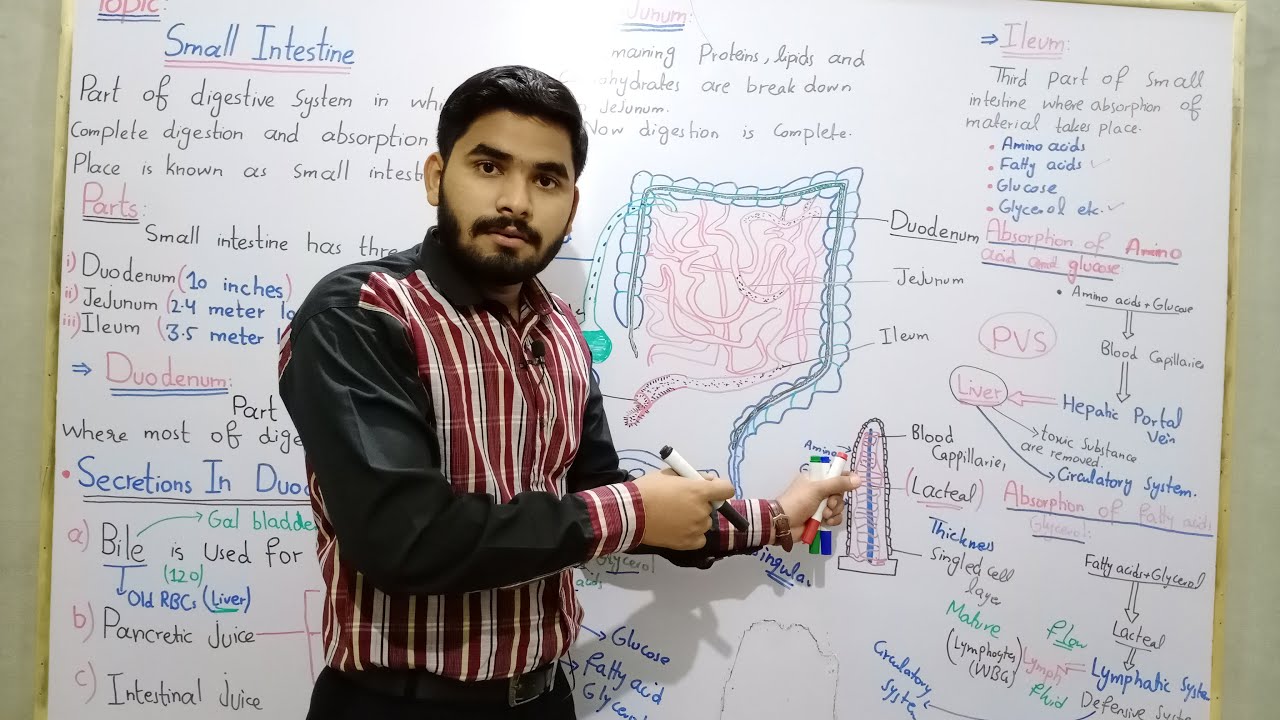
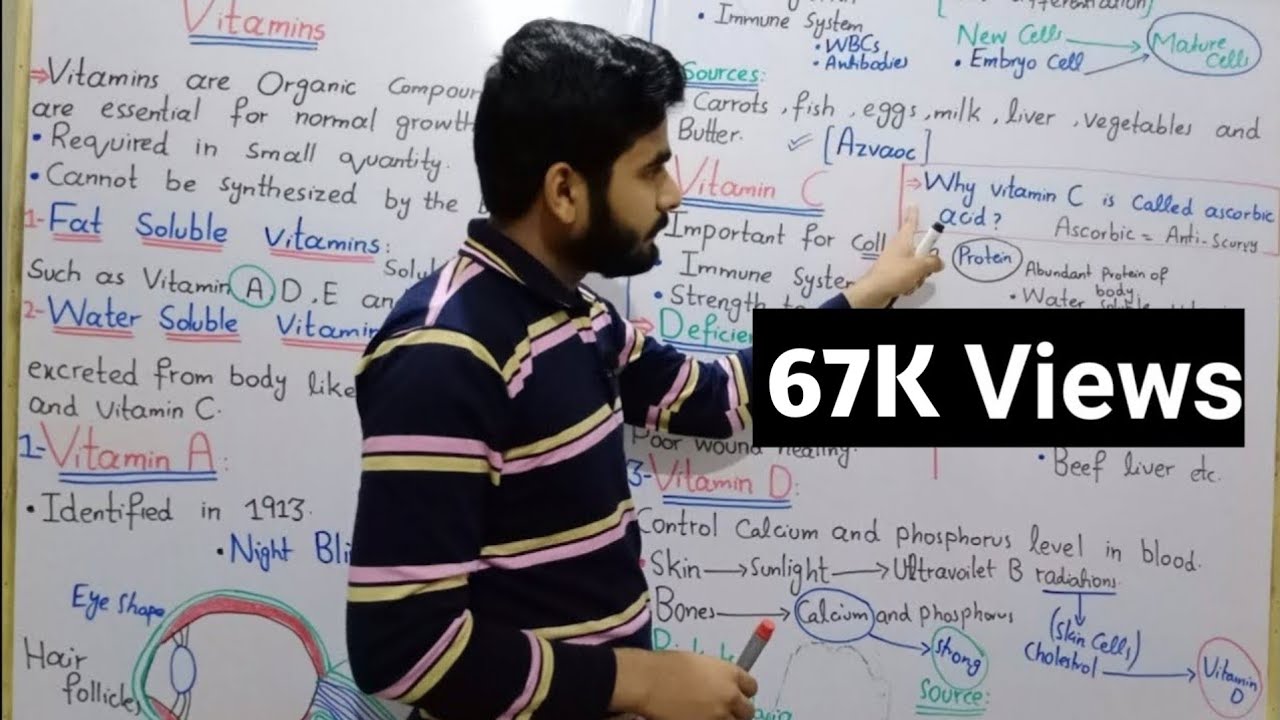
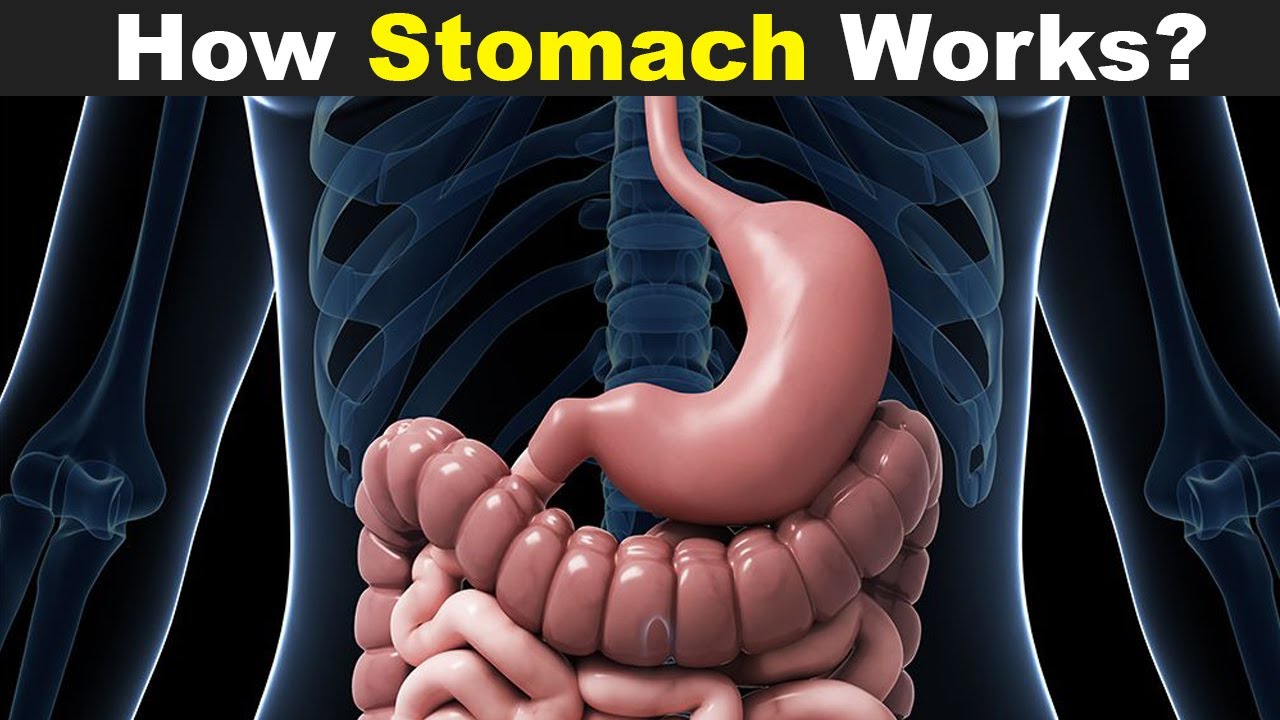
Stomach Class 9 In Urdu Hindi By Hadi | Stomach-Structure, Function In human Body | Churning, Chyme
Автор: Hadi Biology 20
Загружено: 2020-12-16
Просмотров: 7380
Описание:
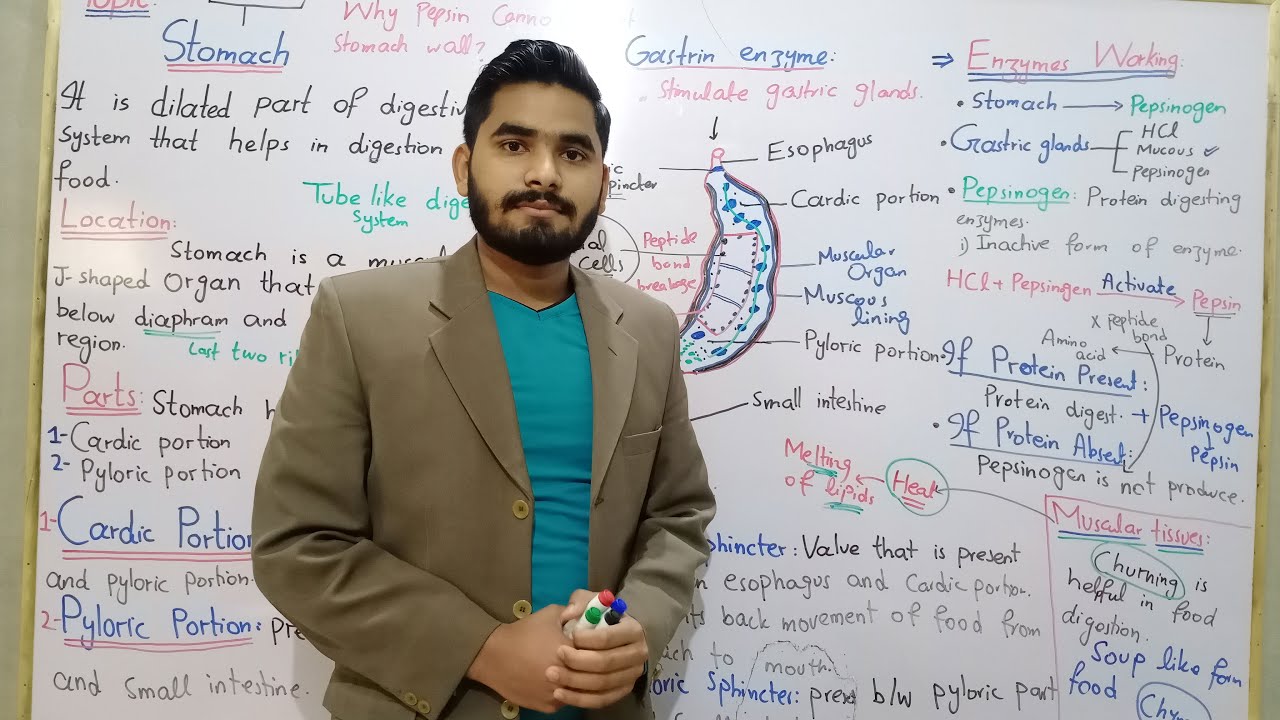
Stomach (Dilated Organ) of human body is discuss In Urdu Hindi For Class 09 By Hadi.
Practice MCQs related to stomach is present at the end of the video.
Point To Ponder:
1- How stomach recognize the presence of more protein in food and release more pepsinogen enzyme?
2- Write composition of gastric juice?
3- Why pepsinogen not digest the wall of stomach?
4- Why pepsin not digest stomach while it is present in active form and wall of stomach is made up of protein?
5- Write the role of churning?
6- How chyme is produced in stomach?
7- Write the functions of cardiac sphincter and pyloric sphincter?
8-Explain structure of protein.
9- Write location of stomach in human body?
10- Sketch the stomach.
All these question and important points related to this topic is also discuss in details by Mr.Hadi.
............................................................................................................................
Definition And Explanation:
Stomach, sac like expansion of the digestive system, between the esophagus and the small intestine; it is located in the anterior portion of the abdominal cavity in most vertebrates. The stomach serves as a temporary receptacle for storage and mechanical distribution of food before it is passed into the intestine. In animals whose stomachs contain digestive glands, some of the chemical processes of digestion also occur in the stomach.
Locations:
The stomach is a muscular organ located on the left side of the upper abdomen. The stomach receives food from the esophagus. As food reaches the end of the esophagus, it enters the stomach through a muscular valve called the lower esophageal sphincter.
Structure Of Stomach:
An expanded area curving up above the cardiac opening (the opening from the stomach into the esophagus); the body, or intermediate region, the central and largest portion; the antrum, the lowermost, somewhat funnel-shaped portion of the stomach; and the pylorus, a narrowing where the stomach joins the small intestine. Each of the openings, the cardiac and the pyloric, has a sphincter muscle that keeps the neighboring region closed, except when food is passing through. In this manner, food is enclosed by the stomach until ready for digestion.
Function:
The stomach functions to store and macerate food – the necessary beginning of the early phases of food digestion. Some phylogenetic orders have a highly sacculated forestomach (e.g., some artiodactyls and primates) aiding in food digestion. In ruminants, the ruminal portion (rumen) of the forestomach, which is actually a modification of the esophagus, is highly permeable to volatile fatty acids released from the microbial metabolism of complex carbohydrates, and is capable of active sodium and chloride absorption.
Several orders, including rodents and perissodactyls (horse and swine), have a non-glandular stratified squamous portion of the stomach adjacent to fundic or cardiac mucosa. This squamous portion of the stomach is separated from the glandular stomach by a limiting ridge (margo plicatus) and serves as a storage organ for ingested material. Various inflammatory cells (lymphocytes, plasma cells, and eosinophils) may be present in the lamina propria of the limiting ridge of rodents, being a normal characteristic, and should not be interpreted as an inflammatory process.
Churning In Stomach:
The stomach has the ability to expand or contract depending upon the amount of food contained within it. When contracted, the interior walls form numerous folds (rugger), which disappear when the walls are distended. The thick mucous-membrane lining of the walls is densely packed with small gastric glands; these secrete a mixture of enzymes and hydrochloride acid that partly digest proteins and fats.
The stomach muscles are rarely inactive. Upon entry of food, they relax briefly, then begin to contract. Periodic contractions churn and knead food into a semi fluid mixture called chyme; rhythmical pumping (peristaltic) waves move food toward the pylorus and small intestine.
...........................................................................................................................
For complete lecture On "Pharynx And Esophagus By Hadi", click the link that is given below:
• Pharynx And Esophagus Class 9 In Urdu Hind...
For Complete Lecture On "Endoplasmic Reticulum", click the link that is given below:
• Видео
For complete lecture On "Mitosis", click the link that is given below:
• Видео
For complete lecture on "Cell Cycle || Phases of Inter-phase in details in Urdu Hindi by Mr.Hadi" click the link that is given below:
• Cell Cycle || Phases of Inter-phase in det...
For more lectures on important topics of biology subscribe our You Tube channel.
#Hadibiology 20
#Hadibiology 20
#Hadibiology 20
Whattsapp Group
https://chat.whatsapp.com/KmbGta941sx...
Facebook Page
https://www.facebook.com/100650065097...
Повторяем попытку...
Доступные форматы для скачивания:
Скачать видео
-
Информация по загрузке: