8 Intelligences - Howard Gardner's Theory of Multiple Intelligences - Learn in 5 Minutes
Автор: 5 Minute Learnings
Загружено: 2024-08-30
Просмотров: 1679
Описание:
Howard Gardner’s Theory of Multiple Intelligences: he proposed this in his 1983 book Frames of Mind, broadening the definition of intelligence to include various distinct types of intellectual competencies. Gardner defines intelligence as the “biopsychological potential to process information that can be activated in a cultural setting to solve problems or create products that are of value in a culture.” He argues that people are not born with a fixed amount of intelligence.
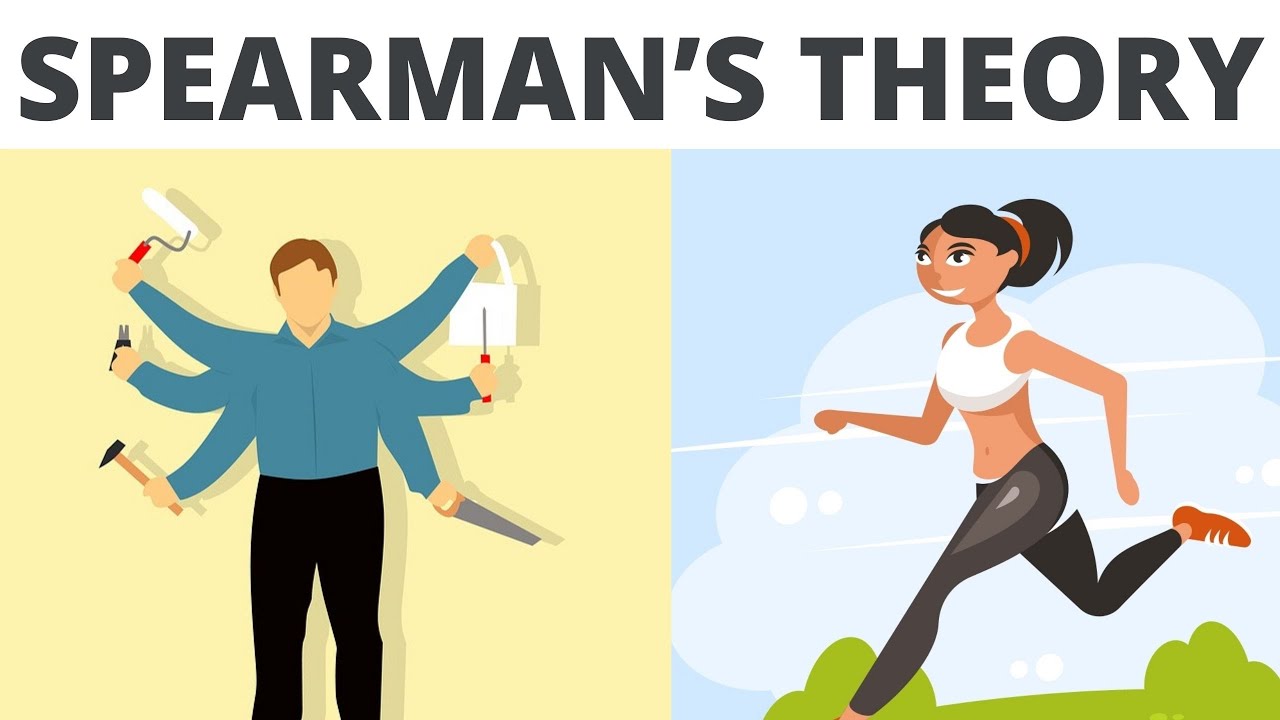
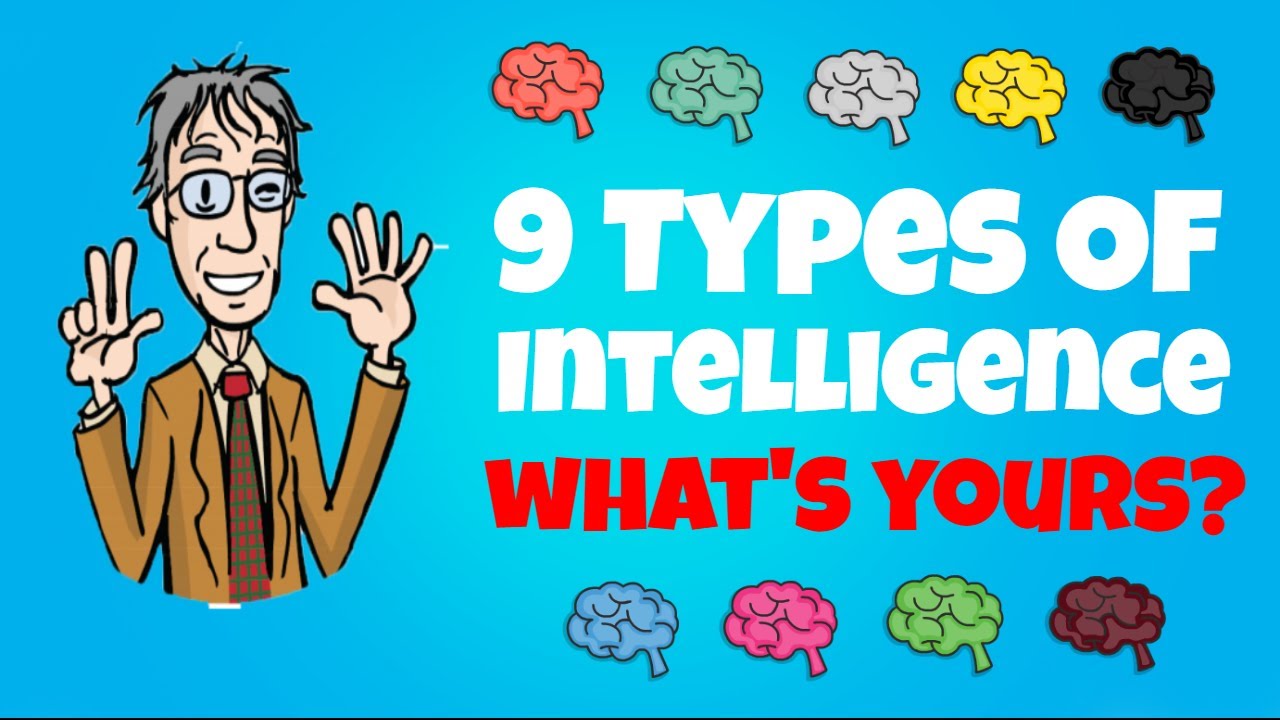
Gardner’s theory challenges the traditional notion of a single type of intelligence, often referred to as “g” for general intelligence. He contends that traditional views focus primarily on cognitive abilities and that IQ testing does not fully or accurately capture a person’s abilities. To expand the understanding of intelligence, Gardner introduced eight different types of intelligences:
Bodily kinesthetic intelligence: The ability to control body movements and handle objects skillfully.
Interpersonal intelligence: The capacity to detect and respond to the moods, motivations, and desires of others.
Intrapersonal intelligence: The capacity to be self-aware and in tune with one's inner feelings, values, beliefs, and thinking processes.
Logical-mathematical intelligence: The ability to think conceptually and abstractly and discern logical or numerical patterns.
Musical intelligence: The ability to produce and appreciate rhythm, pitch, and timbre.
Naturalistic intelligence: The ability to recognize and categorize animals, plants, and other objects in nature.
Verbal linguistic intelligence: Well-developed verbal skills and sensitivity to the sounds, meanings, and rhythms of words.
Visual-spatial intelligence: The capacity to think in images and visualize accurately and abstractly.
Linguistic and logical-mathematical intelligences are most commonly valued in educational and societal contexts.
He also suggests there may be other intelligences, such as spiritual, existential, and moral intelligence, but these do not meet his original criteria for inclusion.
Gardner employs a multi-disciplinary, cross-cultural methodology to evaluate which human capacities fit into a comprehensive model of intelligence. Eight criteria accounting for advances in neuroscience and the influence of cultural factors are used to qualify a capacity as an intelligence.
The eight criteria can be grouped into four general categories:
Biology, Analysis, Psychology and Psychometrics
The criteria briefly described are:
potential for brain isolation by brain damage
place in evolutionary history
presence of core operations
susceptibility to encoding (symbolic expression)
a distinct developmental progression
the existence of savants, prodigies and other exceptional people
support from experimental psychology
support from psychometric findings
This scientific method resembles the process used by astronomers to determine which celestial bodies to classify as a planet versus dwarf planet, star, comet, etc.
Critical Evaluation:
cognitive psychologists and psychometricians, claim that these multiple intelligences are secondary to the “g” factor. Gardner has responded by stating that his theory does not dispute the existence of the “g” factor, and it should be considered on par with other intelligences. Critics often overlook the inclusion criteria.
Shearer reviewed evidence from over 500 neuroimaging studies, which associate brain activation patterns with the cognitive components of each intelligence. The coherence and distinctiveness of these networks support the neural validity of Gardner’s theory. He concludes that human intelligence is best characterized as multiple rather than singular, with each person possessing unique neural potentials aligned with specific intelligences.
The educational implications of Gardner’s theory emphasize individuation and pluralization. Individuation means that since each person is unique, teaching and assessment should not be identical for all students. Providing a variety of learning activities and approaches helps engage all students and allows them to explore subjects from multiple perspectives, deepening their understanding.
A common misconception is that the theory of multiple intelligences is synonymous with learning styles. Focusing solely on learning styles or intelligences can limit learning potential. students are more engaged and learn better when given diverse ways to demonstrate their knowledge and skills, which also helps teachers assess student learning more accurately.
MI can enhance therapeutic alliances between counselors and clients by increasing comfort and reducing suspicion or resistance. Counselors find that multiple intelligences provide more tools and flexibility in responding to clients..
Social Cognitive theory of intelligence
Intelligence in Educational Psychology
Psychology of Intelligence
Critical Analysis skills
Girish Kishnani
Five Minute Learnings
5 Minute Learnings
#5ml
5ml
Psychology in 5 minutes
Повторяем попытку...

Доступные форматы для скачивания:
Скачать видео
-
Информация по загрузке: