The Life of Moose
Автор: Daily Dose Documentary
Загружено: 2024-06-05
Просмотров: 320
Описание:
The Daily Dose provides microlearning history documentaries like this one delivered to your inbox daily: https://dailydosedocumentary.com
Teachers, check out our entire film catalog organized by curriculum and category here: https://www.platospeach.com/catalog/ or as a spreadsheet here: bit.ly/dailydosedocumentary
We strive for accuracy and unbiased fairness, but if you spot something that doesn’t look right please submit a correction suggestion here: https://forms.gle/UtRUTvgMK3HZsyDJA
Learn more: https://dailydosedocumentary.com/moose/
Subscribe for daily emails: https://subscribe.dailydosenow.com/
Become a Patron: / dailydosenow
Follow us on social media:
Twitter: / thedailydose18
Facebook: / thedailydosenow
Click to subscribe on YouTube: https://www.youtube.com/c/DailyDoseDo...
#documentary #history #biography
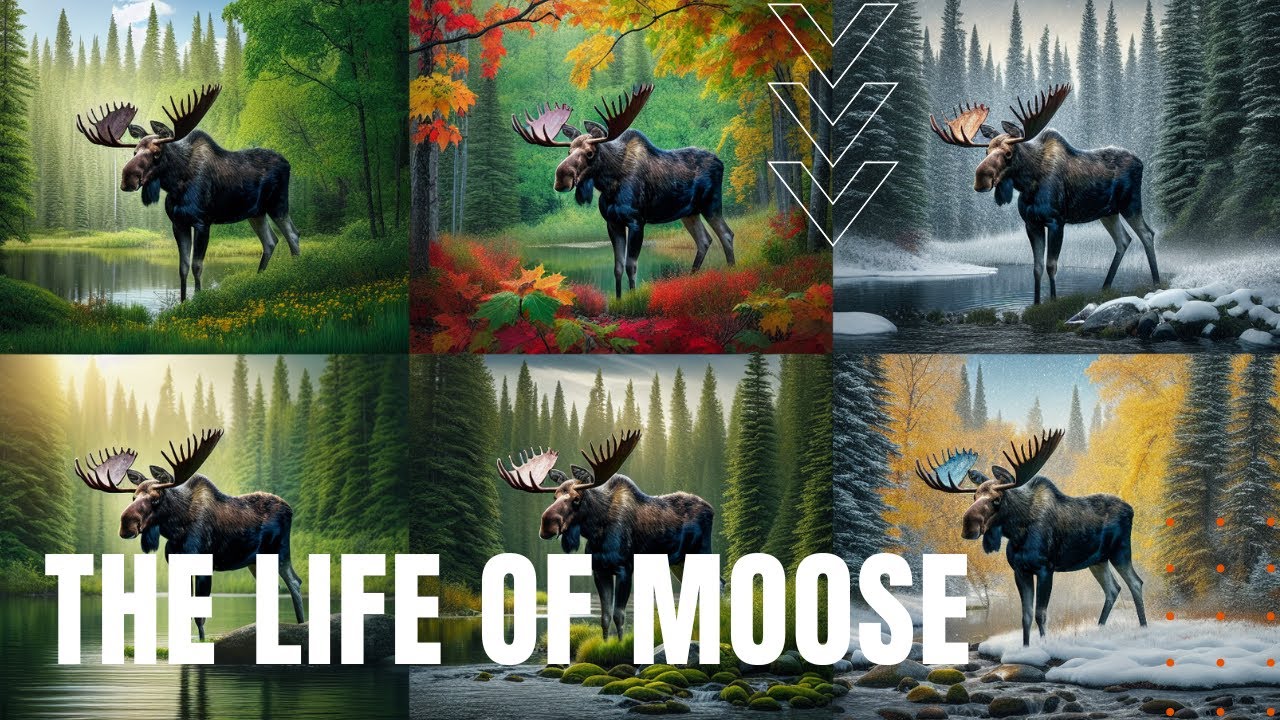
Today's Daily Dose short zoology film covers the life of moose, which can be found in the upper American states, Alaska and Canada. The filmmaker has included the original voice over script to further assist your understanding:
Today on The Daily Dose, The Life of Moose.
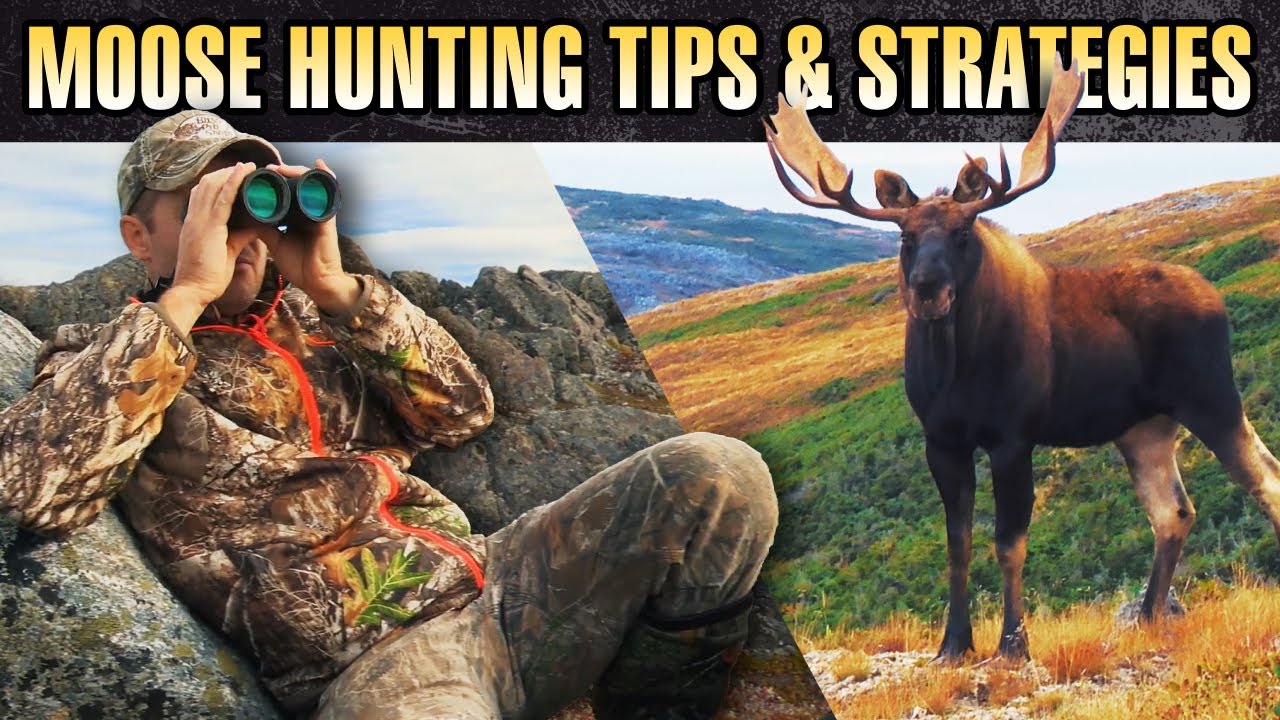
The largest deer species of the family cervidae, adult moose stand six feet tall from hoof to shoulder, weighing anywhere from 840 to 1800 pounds, while their light to dark brown fur traps air beneath the surface, providing insulation from their harsh winter habitats. Found in the northern regions of the United States, from Washington to Maine, Canada and Alaska, moose generally live in forested areas with an abundance of streams and ponds. Adult moose use their hooves in the case of females and antlers and hooves in the case of males, to fend off predators like bears and wolves, although smaller and more vulnerable calves are frequently lost to predation before they reach their first year of age.
Known as foraging herbivores, they also fall victim to parasitic brain worms, which are carried benignly by white-tailed deer, yet when white-tails defecate, snails eat the brain worms that are then inadvertently consumed by moose while foraging for food. Meaning “eater of twigs” in the Algonquin language, because of their enormous size, moose find it difficult to bend down to eat grasses, preferring instead to feed on the leaves, bark and twigs from trees and shrubs, in particular, native willow, aspen and balsam fir. Comprising nine recognized species, Moose are also adept swimmers who munch on many different kinds of aquatic plants from streams and ponds.
While females known as cows don’t grow antlers, Male moose or bulls grow antlers annually in the springtime in advance of their autumn mating season—sometimes upwards of six feet across—fighting with other bulls for the right to mate with a given cow. Gestating their young for an average 243 days, cows give birth to one calf that stays with their mother for a year, before venturing off into their solitary lives. With an average lifespan of seven years for a bull and eight years for a cow, moose are in jeopardy across the U.S., from New Hampshire, Vermont, and Maine, to Minnesota and Michigan due to rising global temperatures, leading to oftentimes fatal bouts of overheating, susceptibility to disease and tick infestation, making the life of moose, a challenged giant of upper North America.
And there you have it, the life of moose, today on The Daily Dose.
Повторяем попытку...
Доступные форматы для скачивания:
Скачать видео
-
Информация по загрузке: