The Ancient Roman Lyre
Автор: Michael Levy
Загружено: 2014-01-03
Просмотров: 8025
Описание:
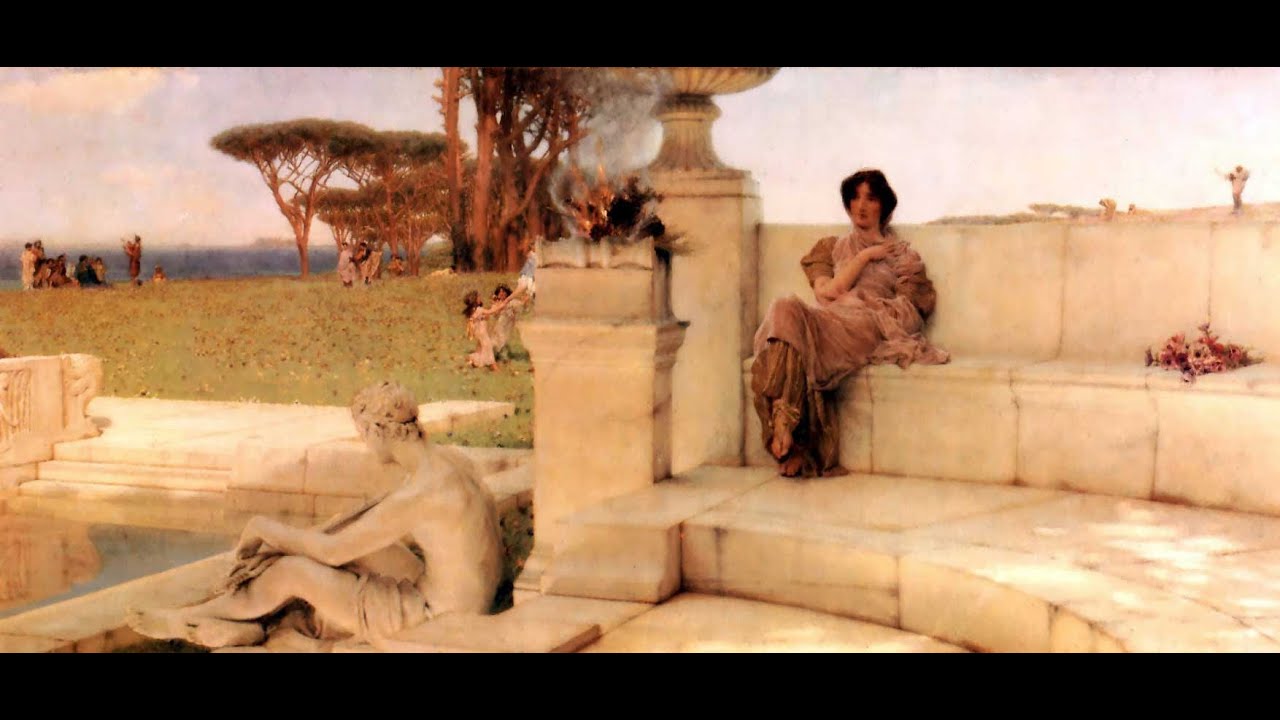
This video features a clip of track 3, "Tranquillitas (Serenity)", from my new album, "The Ancient Roman Lyre" - out now, on iTunes, Amazon, CD Baby, Bandcamp & the physical CD is available from Reverbnation! The accompanying slide-show features the wonderfully serene & evocative art of Sir Lawrence Alma-Tadema...
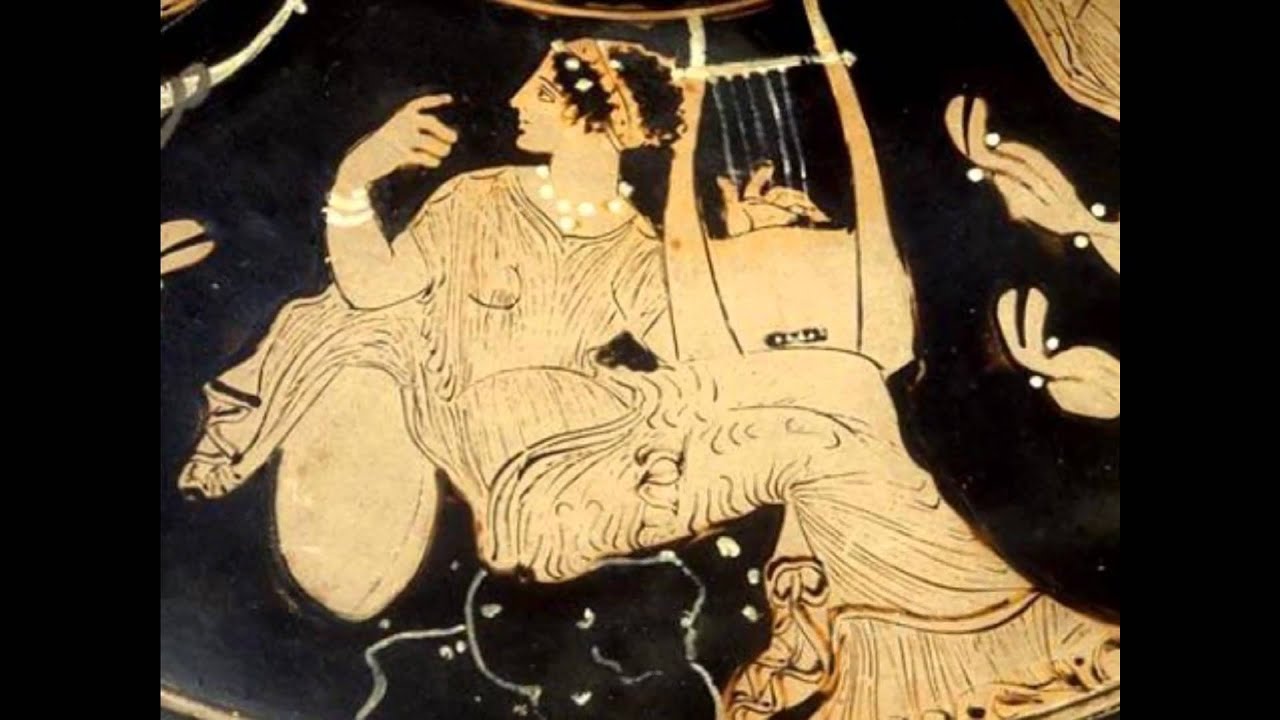
This album is the third in my series of ancient Roman-themed albums, the sequel to "Echoes of Ancient Rome" & "Ode To Ancient Rome". Like the first two albums in this series, "The Ancient Roman Lyre" comprises of a series of original compositions for an ancient lyre in authentic ancient musical modes, to evoke once more, the lost music of ancient Rome. These set of compositions for my Kithara-style lyre is my attempt to restore a precious remnant of the music of ancient Rome, which for the most part, is now forever lost.
Unlike ancient Greece, tragically, virtually no surviving written music has survived from ancient Rome. These set of composition for my replica Kithara-style lyre is my attempt to restore a precious remnant of the music of ancient Rome, which is now forever lost - so far, all that has been discovered, is one pitiful fragment of a musical phrase (by a composer named Flaccus), preserved in the play "Hecyra" (circa 165 BCE) by Terence:
TERENCIO, HECYRA 861 (Terence). Versus 861. Hecyra of Terence. Codex Victorianus Laurentianus XXXVIII-24, saec. X
This piece can be heard track 19, on the recording "Musique de la Grece Antique". Here are some more details from the notes for this unique album, about the only surviving fragment of written music ever found from ancient Rome:
"We have added the only surviving musical fragment of
Imperial Rome: four mutilated measures from a work by Terence. It is as if nothing were left of the Acropolis but a few scattered bits of columns and a pair of ruined capitals"
Even this tiny fragment is no longer deemed to be authentic, according the musicologist Thomas J. Mathiesen).
However, since Rome borrowed so much from the culture of ancient Greece, in attempting to recreate an evocation of the lost music of ancient Rome, it is most likely that the Roman composers of antiquity also used the ancient Greek musical modes...which I have used throughout this album.
I have also tuned my lyre to the wonderfully pure just intonation of antiquity throughout the album. In just intonation, first devised some 5000 years ago during the development of the first fretted lutes, the ratio of each individual musical interval is precisely calculated, resulting in a tuning so pure, that musical intervals in just intonation take on an almost three dimensional quality. By comparison, modern equal temperament, (where all the intervals are artificially made equal for the seamless transposition between keys - at the expense of the purity of the actual musical intervals!), is like a rose without it's scent...
THE TRACKS
1. Cogitatio (Reflections) - this piece uses the introspective ancient Greek Hypophrygian Mode.
2. Amatores (Lovers) - this piece uses the wonderfully dream-like, feminine-sounding ancient Greek Hypolydian Mode
3. Tranquillitas (Serenity) - this piece features the ancient Greek Hypodorian Mode. This mode, for me evokes feelings of inner contentment, serenity and tranquillity...
4. Contemplationis (Contemplation) - this piece is composed in the ancient Greek Dorian Mode - intensely introspective, this mode enhances the feeling of concentration in the listener.
5. Desiderantes (Yearning) - this composition features the ancient Greek Phrygian Mode - the Mode seems to create a sense of beautiful poignancy, longing & yearning...
6.Tristitia (Sorrow) - this piece explores the mournful quality, also inherent in the sound of the ancient Greek Hypophrygian Mode.
7. Gloria Belli (Glory of Battle) - as well as the intense, concentration-increasing qualities of the ancient Greek Dorian Mode when played slowly and softly, (as explored in track 1 of this album), according to Plato & Aristotle, the ancient Greek Dorian Mode was also the most "manly" of all the musical modes - they even went so far as to suggest that it could inspire bravery in battle! In this piece, I attempt to explore the war-like quality of the the ancient Greek Dorian Mode, which is most evident when played in a vigorous piece such as this.
https://itunes.apple.com/us/album/the...
For full details of this release, a free PDF of the album notes and all my other albums for solo lyre, please visit:
http://www.ancientlyre.com/albums_for...
Many thanks for watching!
Повторяем попытку...
Доступные форматы для скачивания:
Скачать видео
-
Информация по загрузке: